
Every home tells a story. Some stories feel crowded. Others feel calm and clear. Storage often decides the difference. Shelves placed on the wall do more than hold objects. They free floor space. They guide the eye. They help a room breathe. This guide explains how shelves on walls bring order, style, and function together.
What Wall-mounted shelves Really Are
Wall shelves attach directly to walls instead of standing on the floor. This design saves space and keeps rooms open. People often use them in modern homes, apartments, and small spaces.

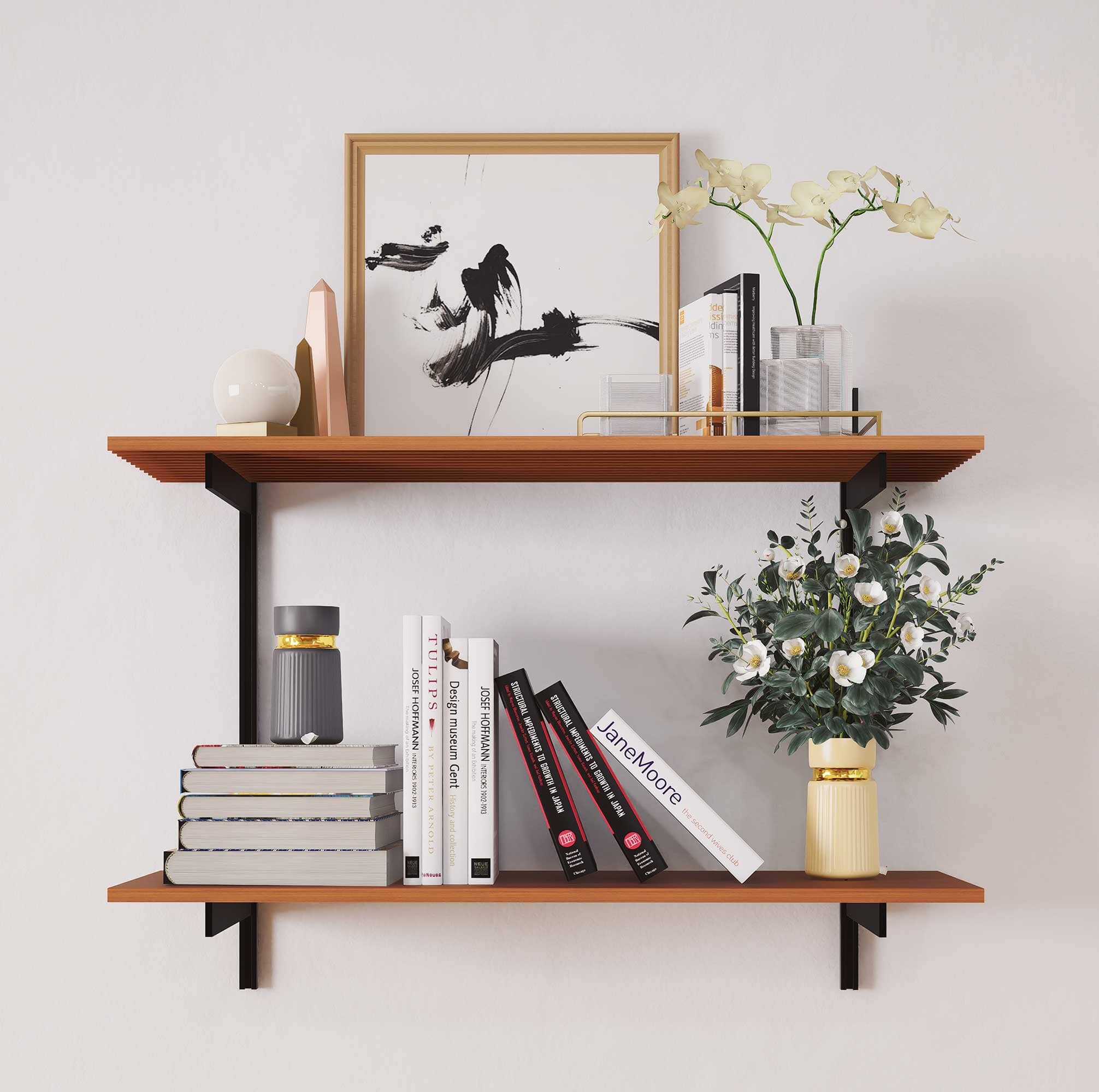
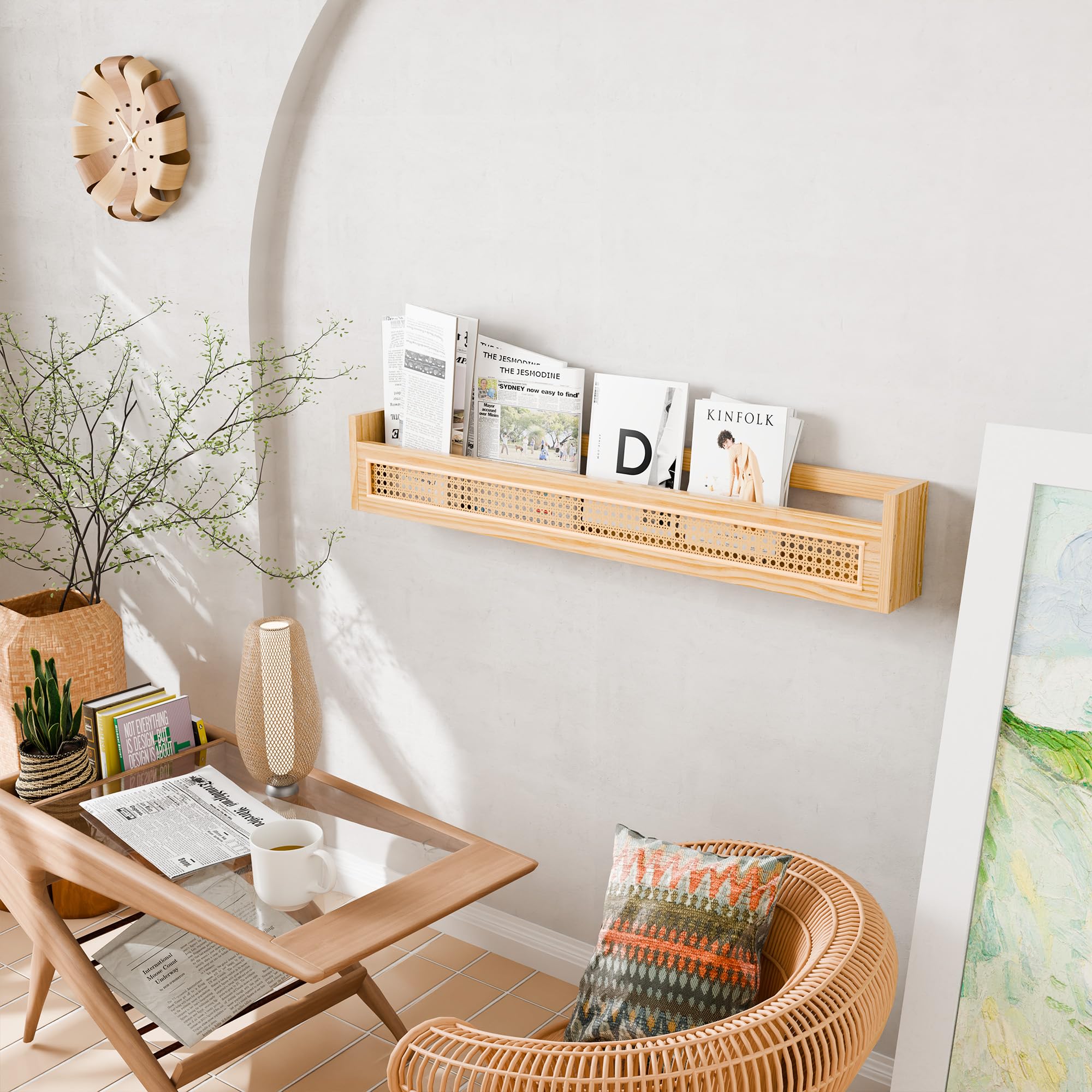
These shelves hold books, decor items, plants, and daily-use objects. Interior designers favor them because they combine storage with clean design.
Why Wall Shelves Improve Everyday Living
Clutter creates stress. Open shelves help organize items where you can see them. This reduces time spent searching and cleaning. Research in home organization shows that visible, simple storage improves daily habits.


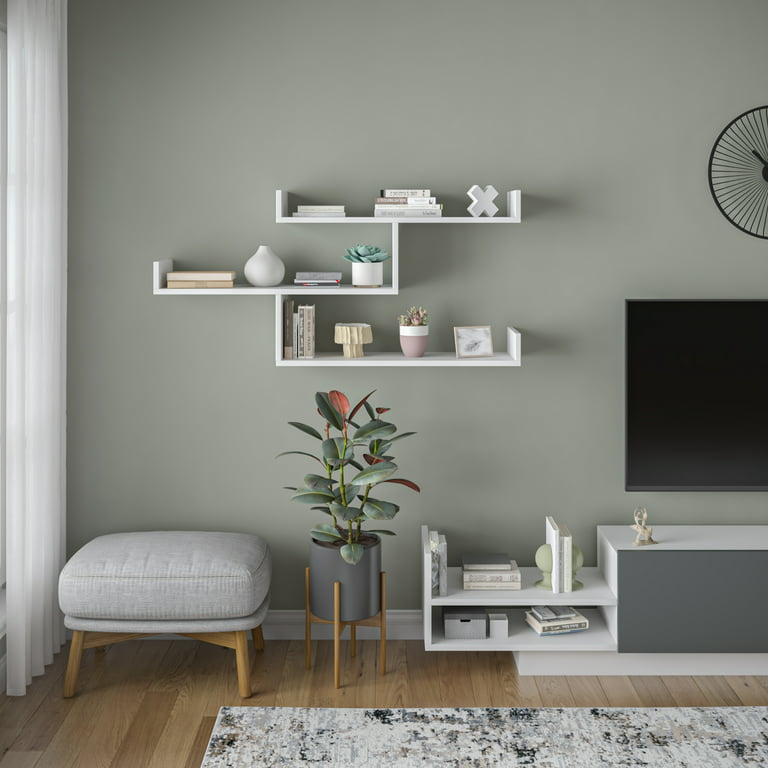
This is why Wall-mounted shelves work well in kitchens, workspaces, and living rooms. They support function without closing the space.
Choosing the Right Shelf Material
Material changes the mood. Wood feels warm and natural. Metal feels modern and strong. Glass feels light and elegant. Choose material based on room use and weight needs.


Experts recommend solid wood or metal for heavy items. Decorative shelves can use lighter materials.
Best Rooms for Wall-mounted shelves
Living rooms use shelves for books and art. Kitchens use them for jars and dishes. Bathrooms use them for towels and care items. Bedrooms use them for personal decor.
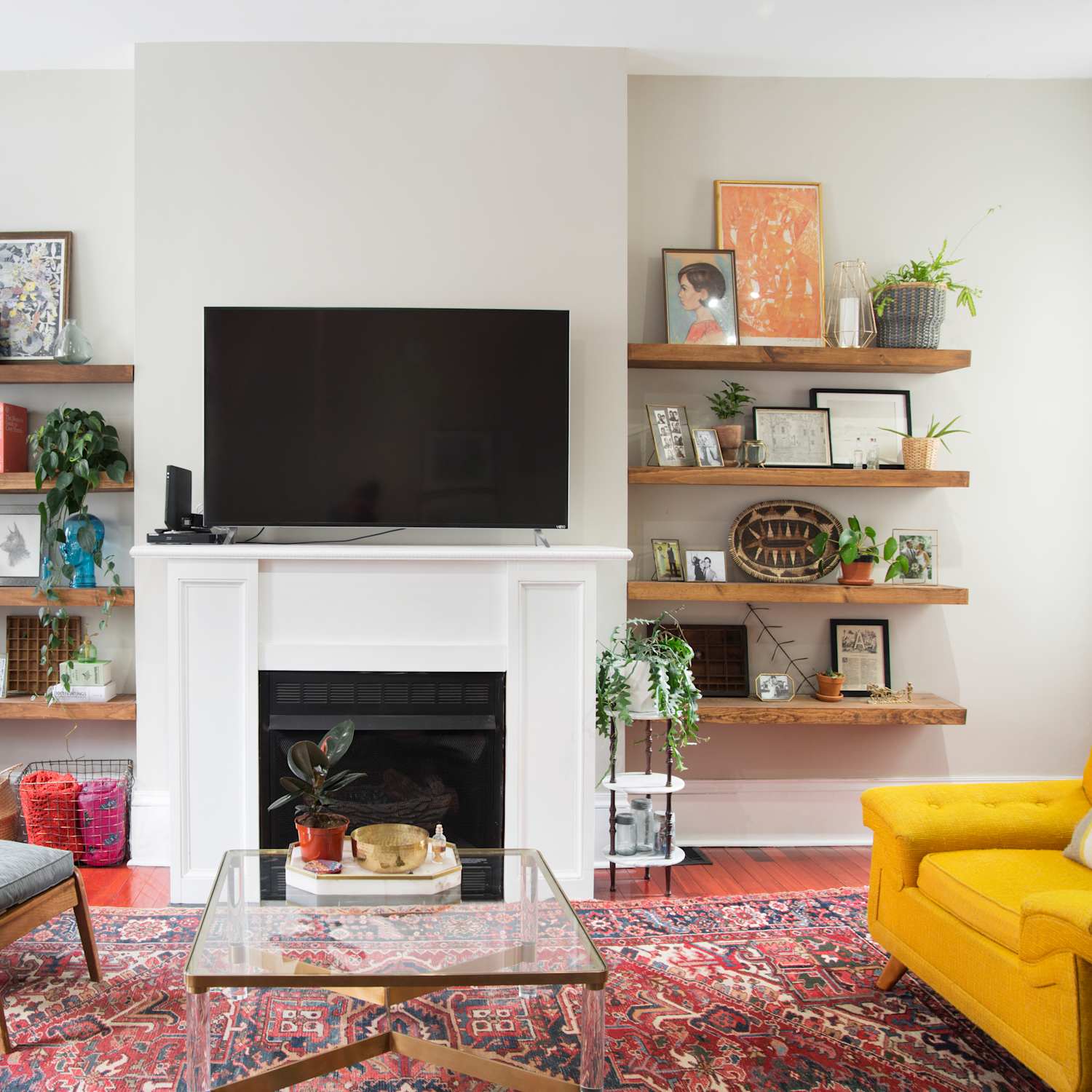


Design platforms highlight wall shelves as one of the most flexible storage solutions across rooms.
Shelf Placement and Height Guide
Height matters. Shelves placed too high lose purpose. Shelves placed too low feel crowded. Eye-level placement works best for decor. Work-level placement works best for daily items.

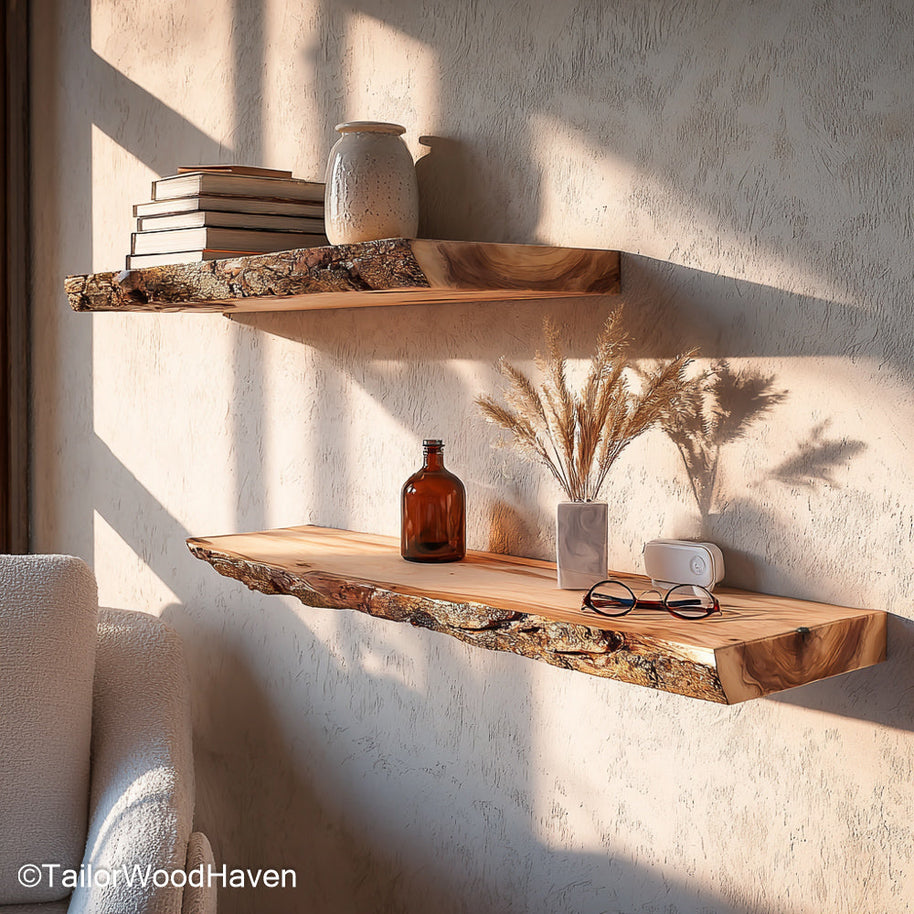
Professionals suggest testing placement using paper outlines before drilling.
Styling Tips for Clean Shelf Design
Less looks better. Group items in odd numbers. Mix heights and textures. Leave empty space. This creates balance and flow.


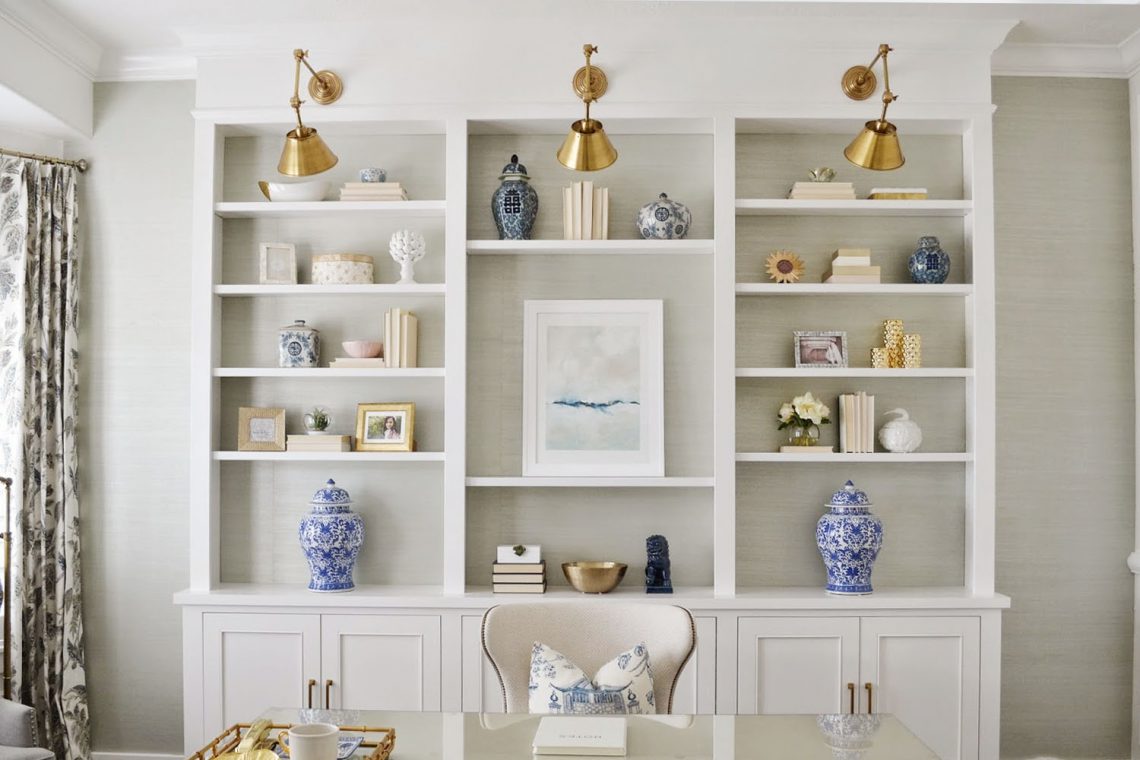
When styled with care, Wall-mounted shelves feel intentional, not crowded.
Common Mistakes to Avoid
Overloading shelves causes safety risks. Uneven spacing breaks visual flow. Ignoring wall studs weakens support.

Experts from home improvement guides stress proper anchors and weight limits for safety and durability.
Long-Term Care and Maintenance
Dust shelves weekly. Tighten brackets twice a year. Remove unused items. Update styling once a year if needed.
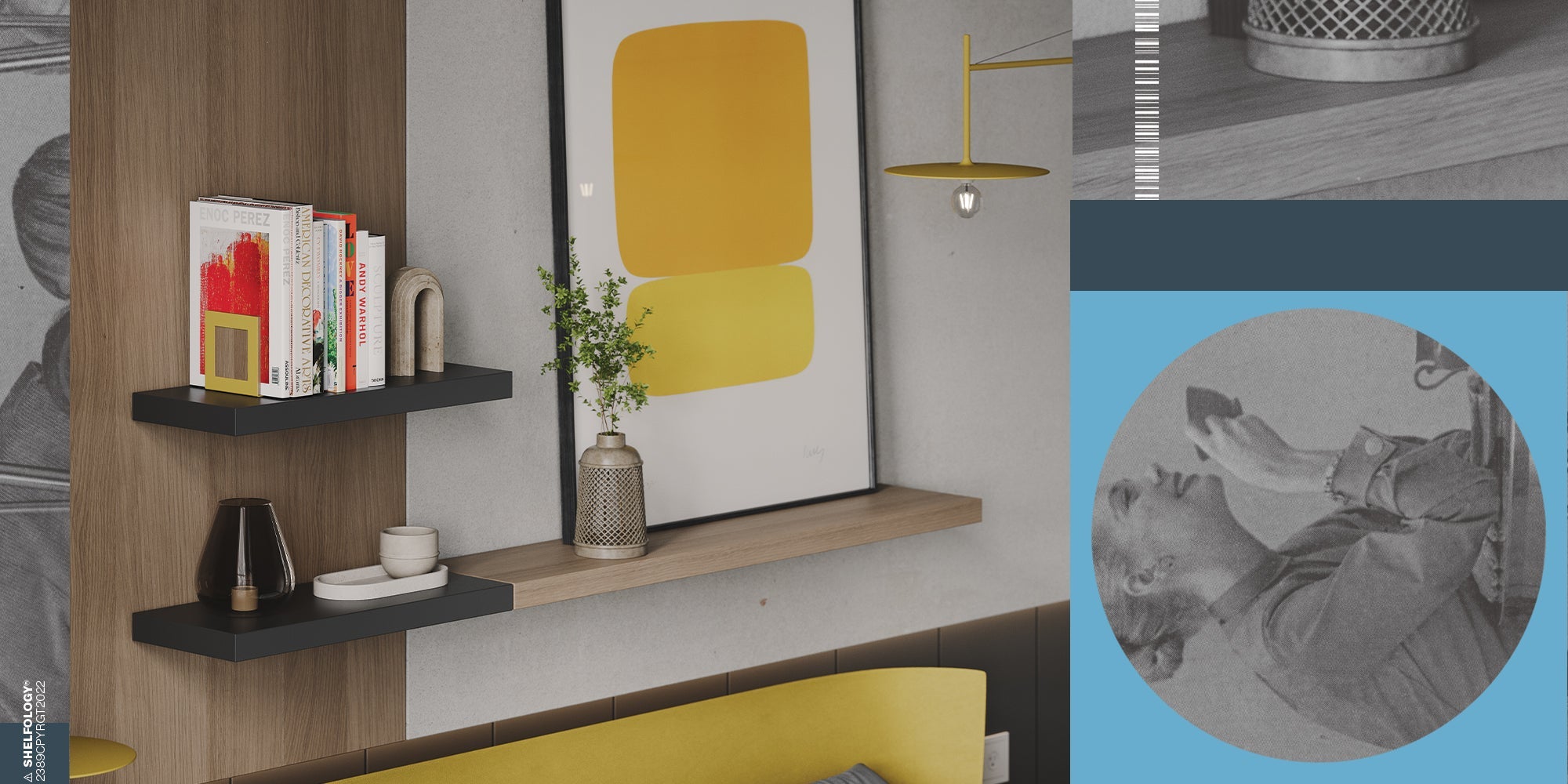

Good care extends shelf life and keeps Wall-mounted shelves looking fresh for years.
Final Thoughts
Wall shelves solve problems quietly. They store. They display. They simplify. Used with care, they shape walls without noise. Choose strong materials. Place them with purpose. Style them with restraint. Your walls will thank you.
FAQs Wall-Mounted Shelves
What are wall-mounted shelves?
Wall-mounted shelves are shelves fixed directly to the wall instead of standing on the floor. They save space, keep rooms open, and provide storage for books, decor, and daily-use items.
Are wall-mounted shelves strong enough to hold weight?
Yes, when installed correctly. Shelves mounted into wall studs or using proper anchors can hold heavy items. Always check the weight limit before placing objects.
Where should wall-mounted shelves be placed?
They work best in living rooms, kitchens, bedrooms, bathrooms, and home offices. Place them at eye level for decor and lower for items you use often.
What materials are best for wall-mounted shelves?
Wood offers warmth, metal provides strength, and glass gives a light look. Choose the material based on the room style and how much weight the shelf needs to hold.
How high should wall-mounted shelves be installed?
For decor, install shelves around eye level. For storage, place them where items remain easy to reach. Avoid placing shelves too high, as this reduces usability.
How many wall-mounted shelves should be on one wall?
One to three shelves usually work best. Too many shelves can make the wall feel crowded and cluttered. Leave space between shelves for balance.
