A quiet street. Soft morning light. A home that feels peaceful before you even step inside.
That is the quiet magic behind Japanese House Design Ideas.
Japanese homes do not shout for attention. They invite you in gently. Each space tells a story of balance, nature, and thoughtful living. This guide walks you through modern Japanese house design in a way that feels human, practical, and inspiring. You will not just read ideas. You will feel them.


Why Japanese House Design Ideas Feel So Timeless
Modern Japanese houses follow one clear belief: life feels better when space feels calm.
Designers focus on purpose, not excess.
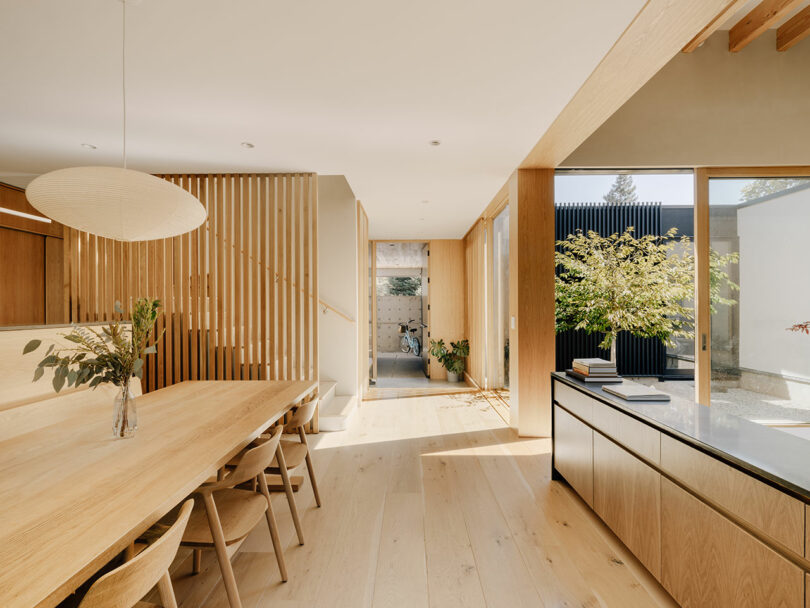
Homes often use open layouts, natural light, and materials that age beautifully. Wood, stone, and paper textures bring warmth without clutter. This approach comes from long-standing Japanese principles like Ma (space) and Wabi-Sabi (beauty in imperfection), widely discussed by the Japan Institute of Architects.
These homes work well in both cities and quiet suburbs because the design adapts to life, not trends.


The Philosophy Behind Japanese House Design Ideas
Every Japanese home starts with intention.Rooms exist for a reason. Empty space has meaning.
Architects like Tadao Ando emphasize light, shadow, and silence. Large windows frame nature like art. Walls guide movement instead of blocking it. This philosophy helps reduce stress and improve daily focus, according to studies referenced by the Harvard Graduate School of Design.
You do not decorate these homes. You curate them.


Open-Plan Living With Natural Flow
Walls stay minimal. Spaces connect smoothly.Living, dining, and kitchen areas feel like one calm zone.This layout improves airflow and light while making small homes feel larger. Sliding partitions allow flexibility without closing the space fully.


Tatami Rooms With a Modern Touch
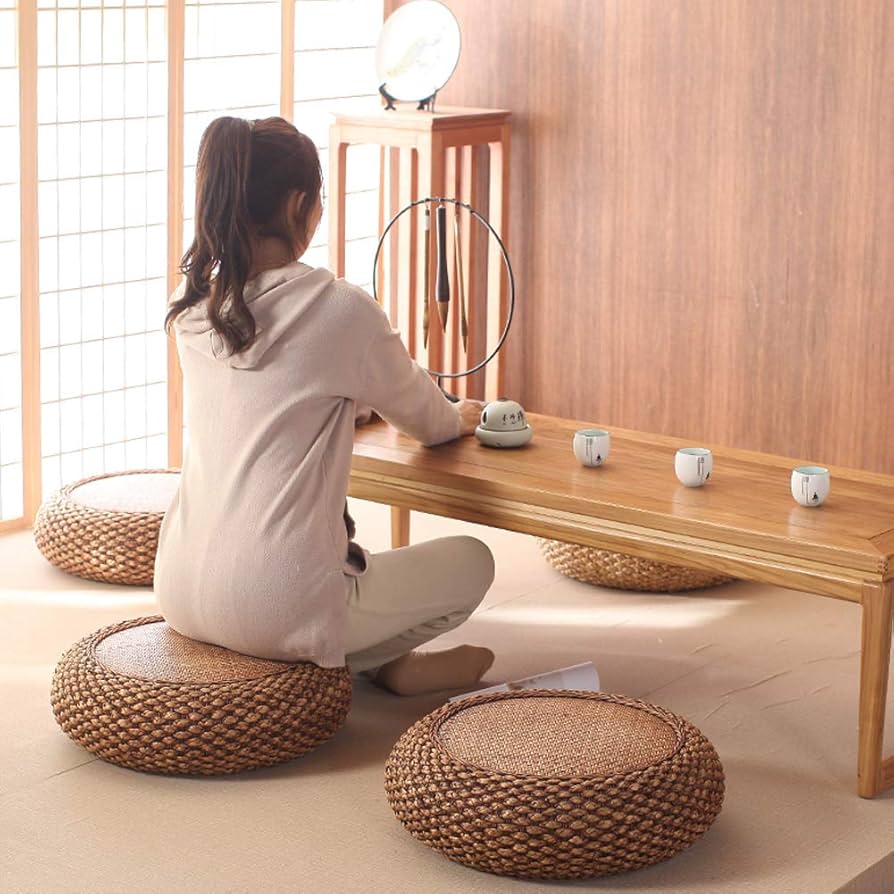
Tatami mats still matter. Designers now pair them with neutral walls and hidden lighting. These rooms adapt easily. One day, it’s a lounge. At night, it becomes a sleeping space. This flexibility reflects modern urban living in Japan.


Indoor–Outdoor Harmony
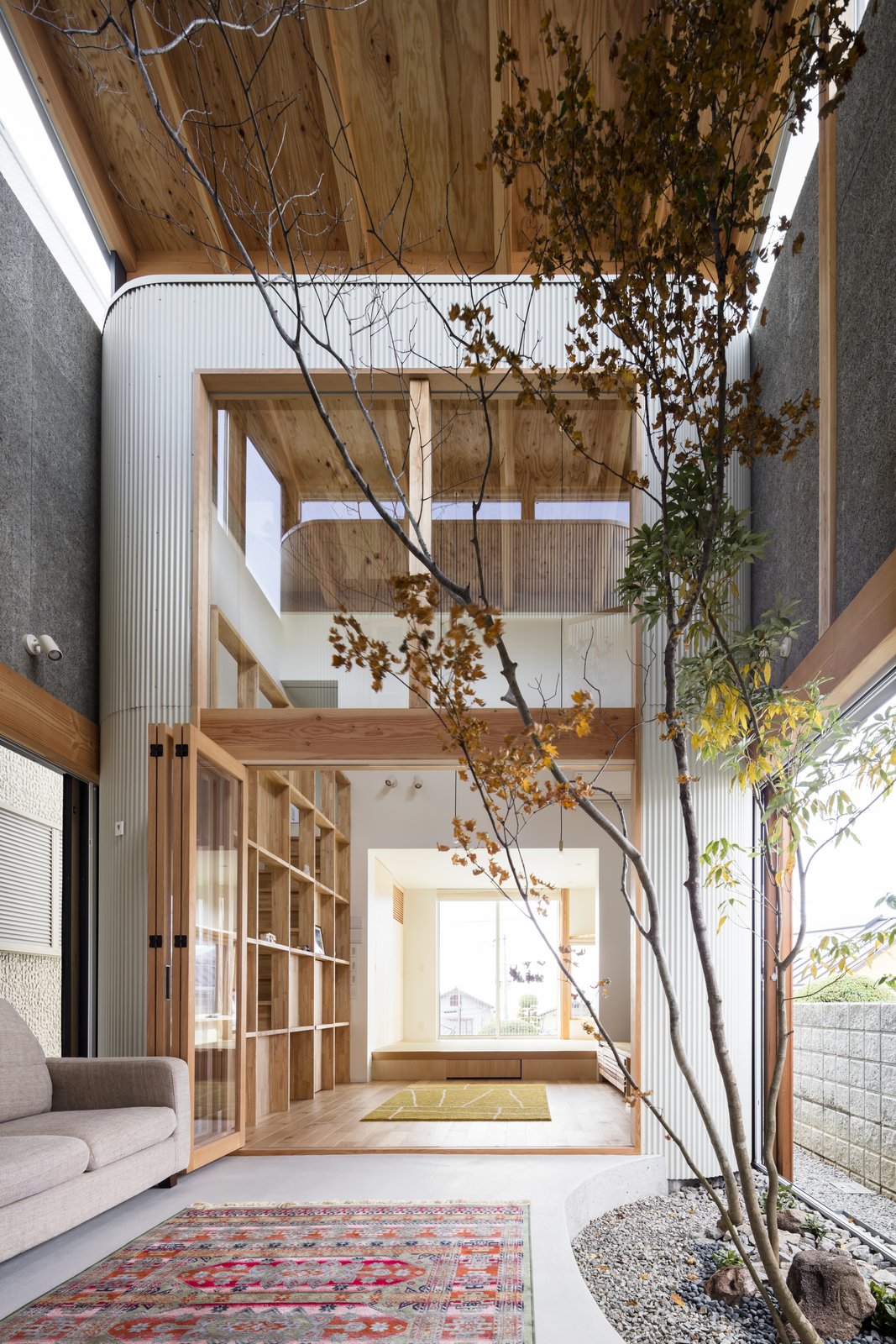
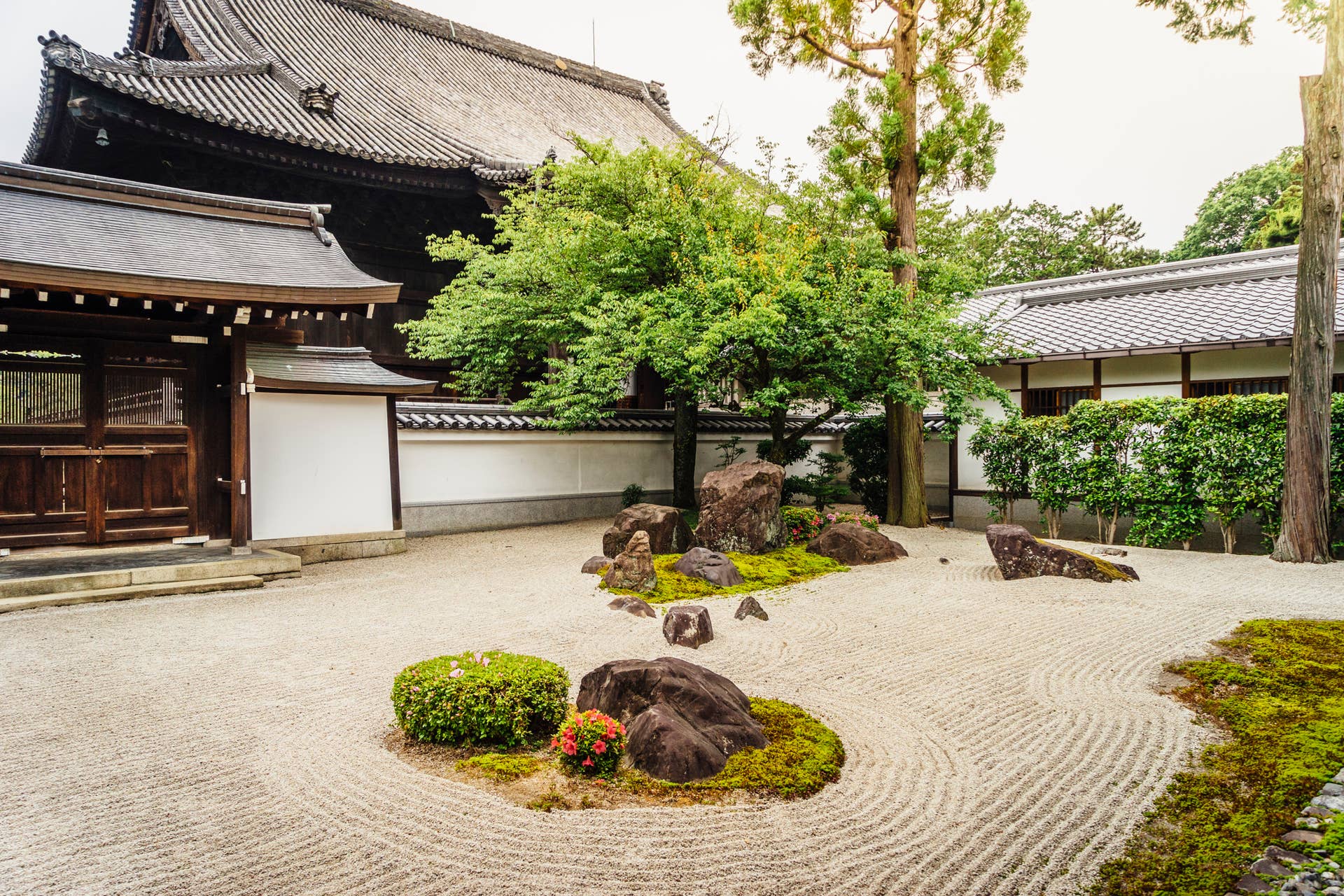
Japanese homes blur the line between inside and outside.Courtyards, gardens, and glass walls connect nature to daily life.This idea appears frequently in Japanese House Design Ideas because it improves mental well-being and natural ventilation.


Minimal Kitchens That Feel Warm
Modern Japanese kitchens avoid visual noise.Cabinets hide appliances. Shelves stay clean. Designers use wood grain, stone counters, and matte finishes to keep the space welcoming and functional.


Low Furniture for Grounded Living
Low sofas and tables create visual openness.They also support better posture and calm movement. This design style aligns with traditional floor seating while feeling modern and global.


Natural Materials That Age Gracefully
Japanese homes celebrate materials that change over time.
Wood darkens. Stone softens.
This honest approach builds emotional connection with the home and reflects sustainable design values recognized by the World Green Building Council.


Light as a Design Element
Light shapes the mood more than decor.Architects design windows to control brightness throughout the day. This technique appears often in Japanese House Design Ideas because it creates emotional comfort without extra objects.

Hidden Storage Everywhere
Clutter breaks the calm. That is why storage stays invisible. Walls, floors, and stairs often hide smart storage solutions that keep living areas peaceful and open.


Neutral Color Stories
Colors stay soft and natural.Think beige, warm gray, off-white, and wood tones. These shades reflect light better and support relaxation.


Bathrooms Inspired by Spas
Bathrooms feel like retreats.Deep soaking tubs, stone textures, and soft lighting dominate. This design reflects Japan’s bathing culture and focus on mental reset.


Compact Homes With Smart Planning
Japanese designers master small spaces. Every inch serves a purpose. Foldable furniture and vertical design help homes feel larger than they are.


Rooflines That Define Identity
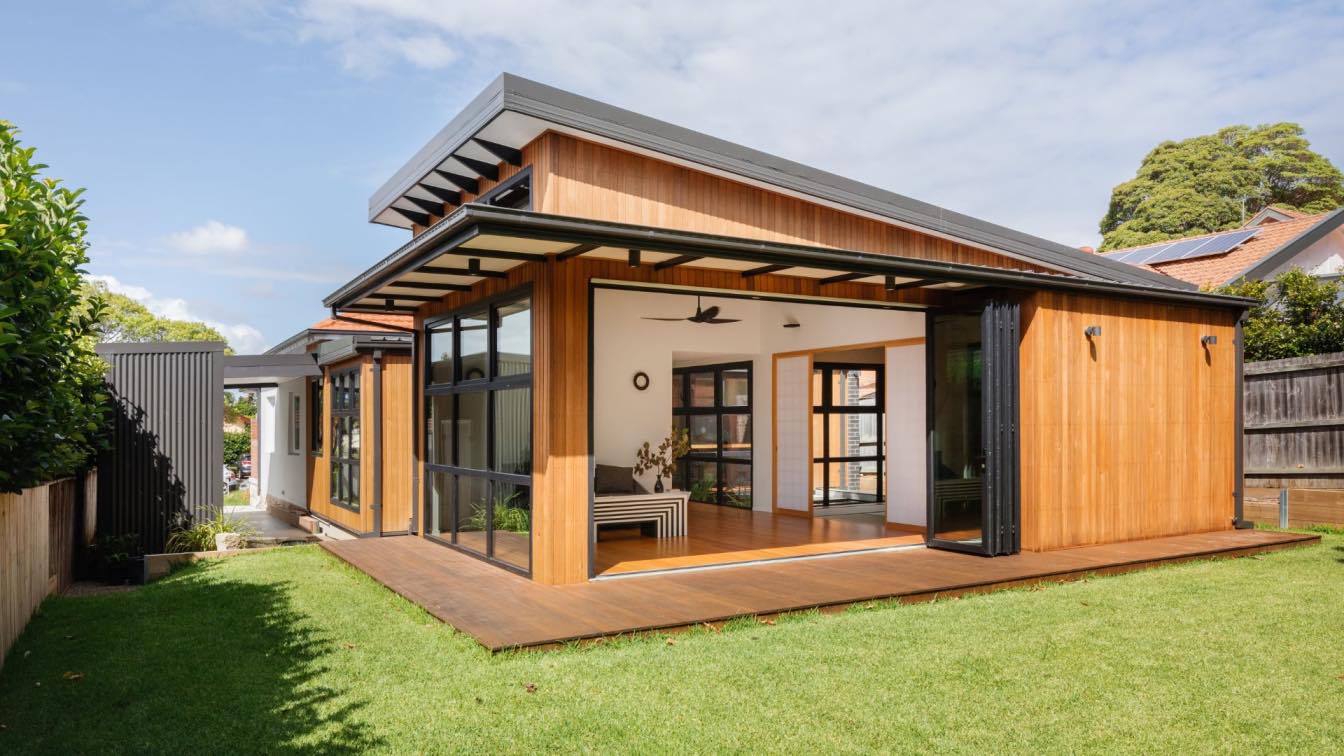
Simple roof shapes matter.Flat and slightly sloped roofs create clean silhouettes. This approach balances tradition with modern architecture.


Sustainable Design Choices
Energy efficiency stays central.Natural ventilation, insulation, and daylight reduce energy use. These ideas align with global sustainability standards.

Privacy Without Isolation
Japanese homes protect privacy without feeling closed.Screens, angles, and layered walls block views while allowing light. This balance feels deeply human.


Emotional Simplicity
At the heart of Japanese House Design Ideas lies emotion.The home supports your life instead of competing with it. That is why these designs never feel outdated. They feel lived in.