
I still remember the first quiet morning in my small backyard. A cup of tea. Soft sunlight. Then a neighbor’s window opened. The moment broke. That simple interruption revealed something important. Privacy shapes comfort. A garden should feel like a retreat, not a stage.
Outdoor living experts at Houzz and Better Homes & Gardens often highlight this idea. Visual barriers reduce stress. Natural screens improve relaxation. The American Society of Landscape Architects (ASLA) also notes how thoughtful landscape planning enhances emotional well-being. Privacy is not only about blocking views. It is about creating a sense of calm.
Privacy Without Building a Wall


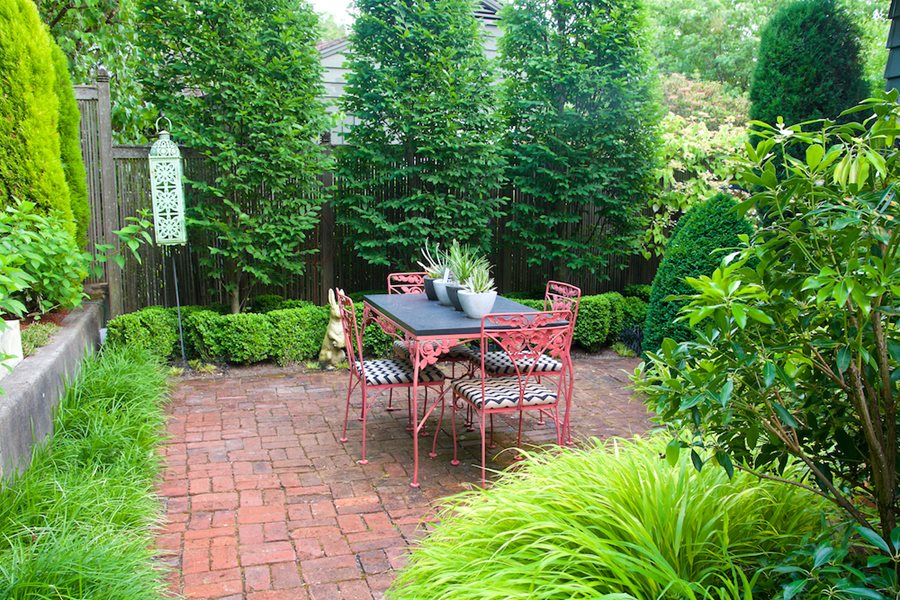
Many homeowners think privacy means fences or tall walls. But heavy structures can feel harsh. They block airflow. They reduce openness. Smart design offers softer solutions.
Landscape designers often use layers. Trees. Shrubs. Pergolas. Screens. This approach follows principles shared by ASLA and Garden Design Magazine. Layered elements create depth, texture, and privacy at the same time. The space stays breathable and welcoming.
Design #1 – Living Green Walls


A living wall feels alive. It grows. It changes. It breathes. Unlike wood or metal, plants soften the atmosphere. They absorb sound. They cool the air.
NASA-backed research on indoor plants shows how greenery improves air quality. Similar benefits apply outdoors. Climbing vines, ferns, and modular vertical systems work well. This design appears often in premium Garden Privacy Designs because it blends beauty with function.
Best Plants for Vertical Privacy


Plant choice matters. Fast growers create coverage sooner. Evergreen species maintain privacy year-round. Jasmine adds fragrance. Ivy adds density. Bougainvillea adds color.
Garden experts from the Royal Horticultural Society (RHS) recommend selecting plants based on climate, sunlight, and maintenance level. The right match prevents frustration later.
Design #2 – Pergolas With Drapes


Pergolas frame space beautifully. Add flowing outdoor drapes, and the mood shifts instantly. Light filters gently. Privacy increases. The garden feels intimate yet open.
Elle Decor frequently showcases pergolas as lifestyle upgrades rather than simple structures. Fabrics introduce movement and softness. They also allow flexibility. Open them by day. Close them at night.
Fabric Choices That Last Outdoors


Outdoor textiles face sun, wind, and rain. Choose UV-resistant and mold-resistant fabrics. Brands like Sunbrella lead this category. Consumer Reports often emphasizes durability testing for outdoor materials.
Good fabric protects style and investment.
Design #3 – Layered Plant Borders

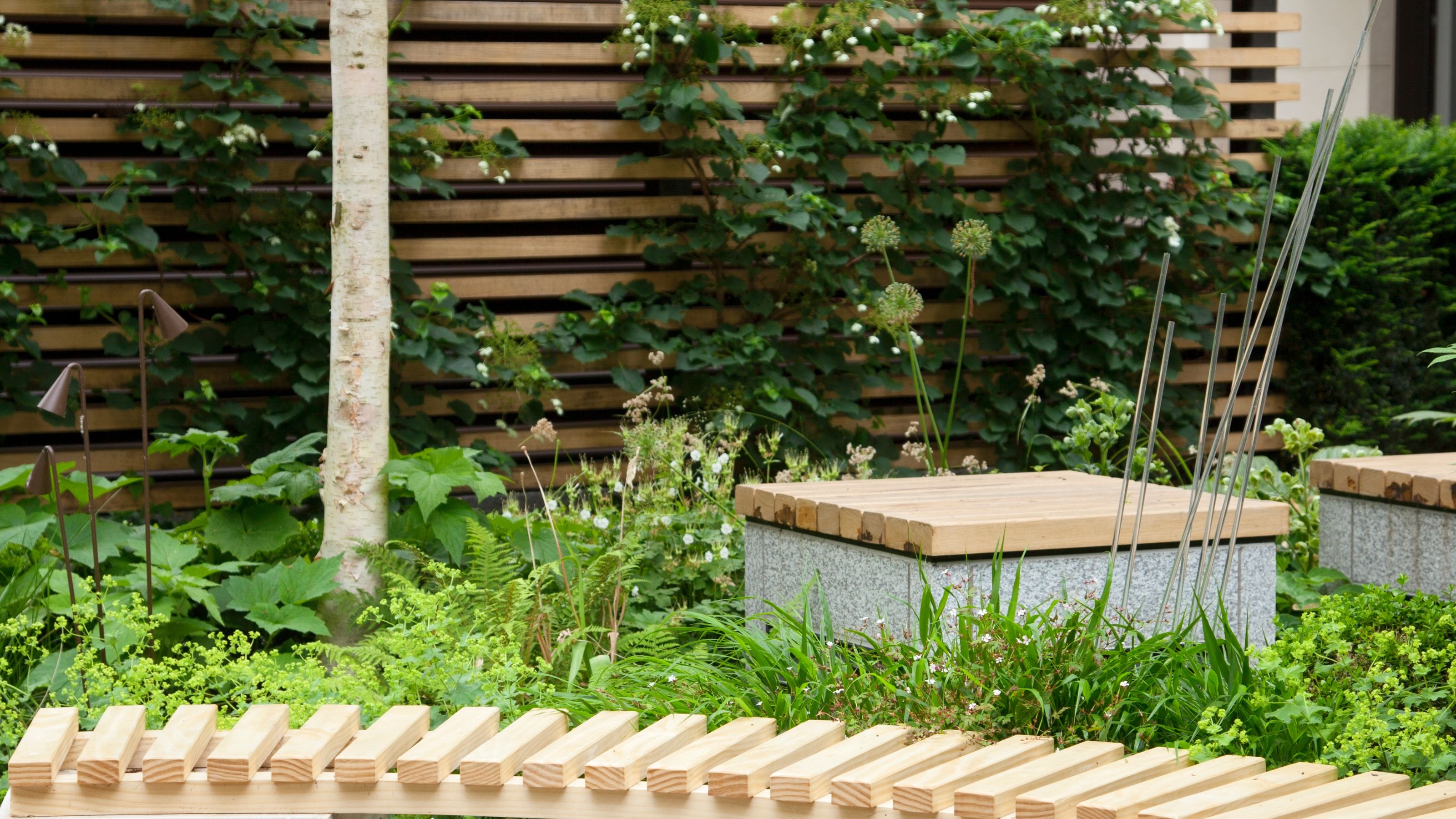
Layering plants creates natural privacy. Tall trees form the backdrop. Medium shrubs fill the middle. Low plants soften edges. The effect feels organic and rich.
Better Homes & Gardens often recommends this strategy for suburban homes. It improves aesthetics while solving visibility issues. Many Garden Privacy Designs rely on this timeless technique.
Combine Texture and Height


Texture adds life. Ornamental grasses sway with the wind. Broadleaf shrubs add contrast. Flowering species add seasonal drama.
Landscape architects stress biodiversity for healthier gardens. Diverse planting improves resilience and visual appeal.
Design #4 – Decorative Screens

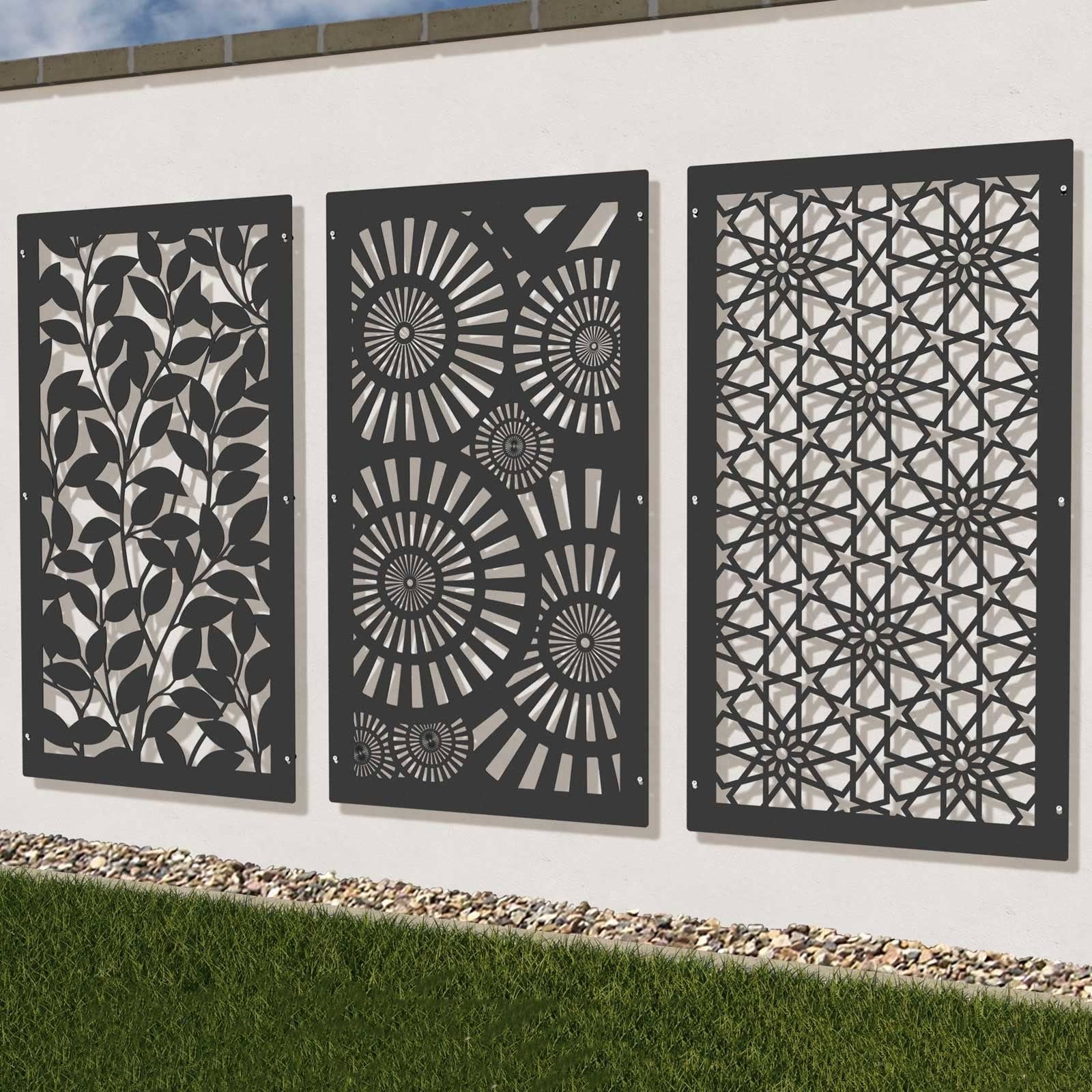

Screens provide privacy with style. Laser-cut metal. Carved wood. Composite panels. These options add pattern, shadow, and character.
Architectural Digest often highlights screens as artistic features. They block direct views without closing the space entirely.