You walk into a living room. The couch sits there, calm and inviting. But the wall above it feels empty. The space looks unfinished. I once helped a friend fix that exact problem. We didn’t buy new furniture. We just changed the wall. The room transformed in one afternoon.
Above-couch styling anchors the seating area. It guides the eye. It shapes the mood. Designers often call it the “visual center” of the living room. Good placement improves balance, proportion, and flow. Even small updates can boost comfort and perceived value, as noted in studies on environmental psychology from Journal of Environmental Psychology and design principles taught by Rhode Island School of Design (RISD).
The Golden Rules Behind Successful Wall Decor Ideas:
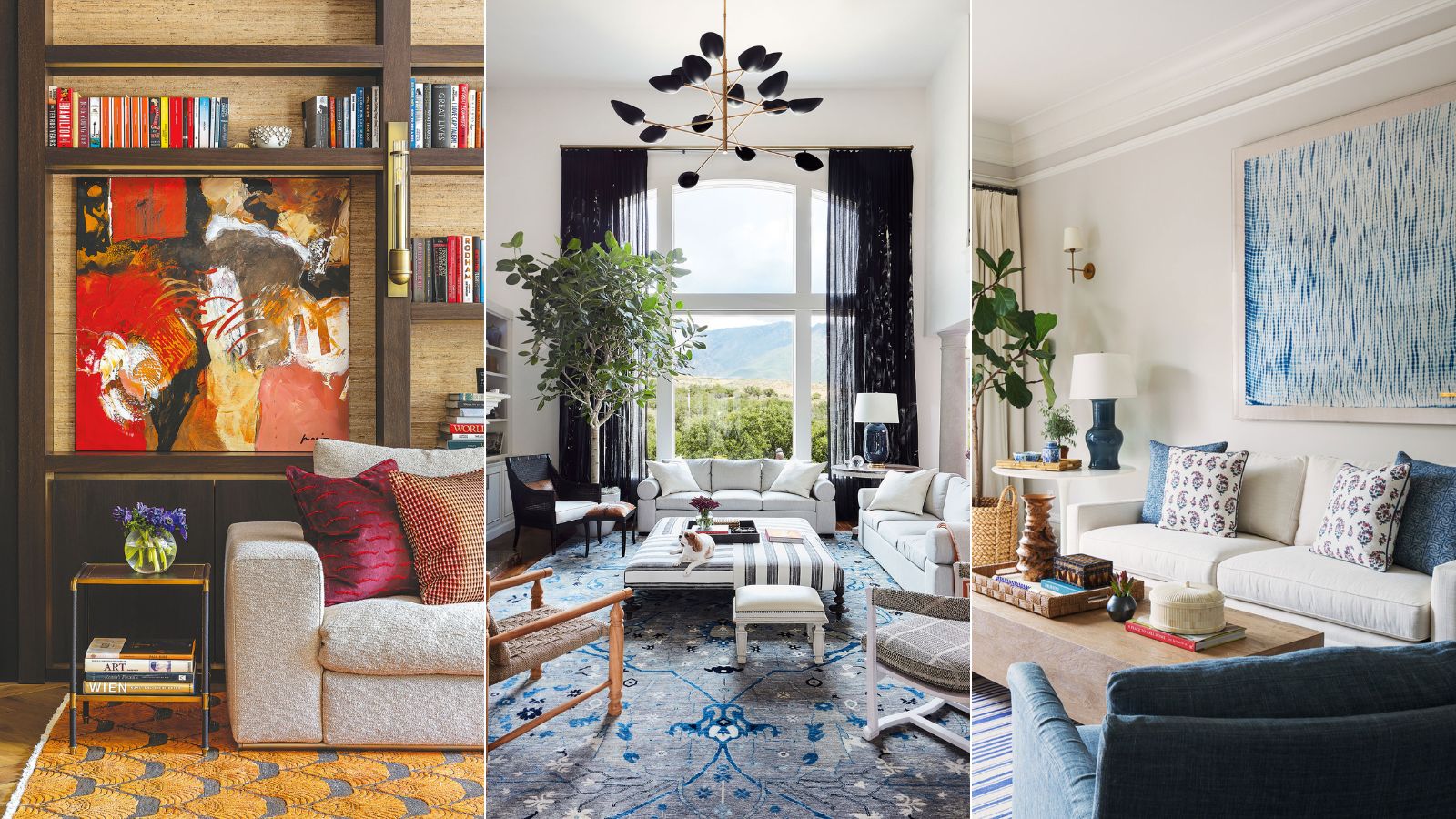

Before we explore layouts, let’s set simple rules. These guidelines help avoid common mistakes.
1. Respect Proportion and Scale
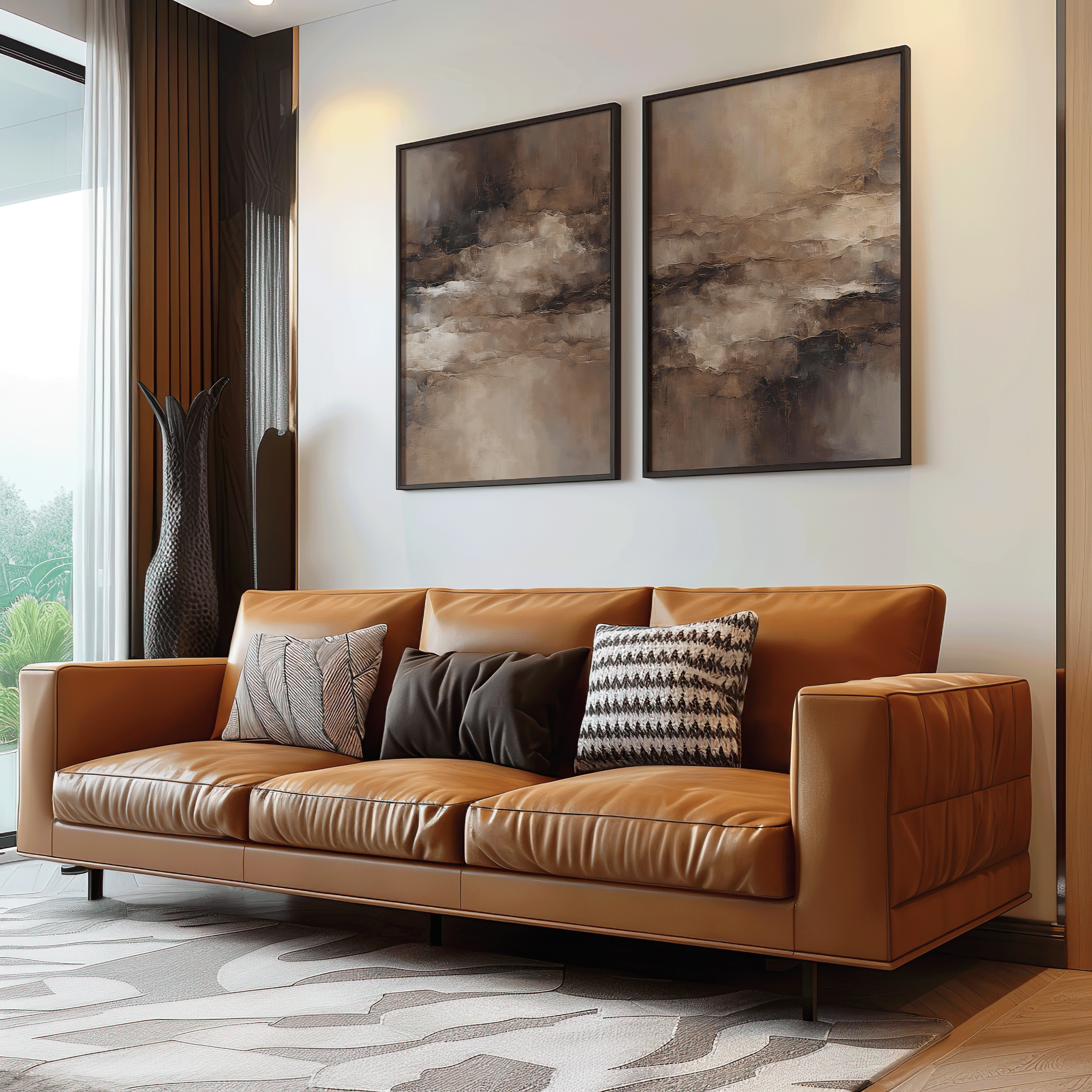
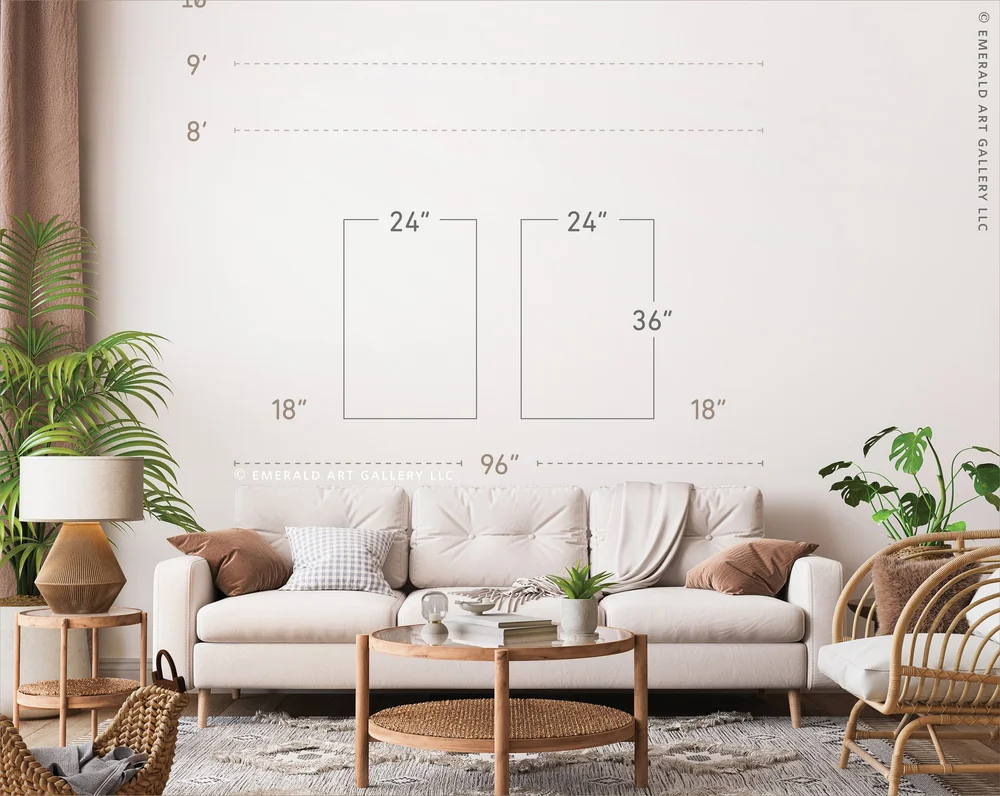
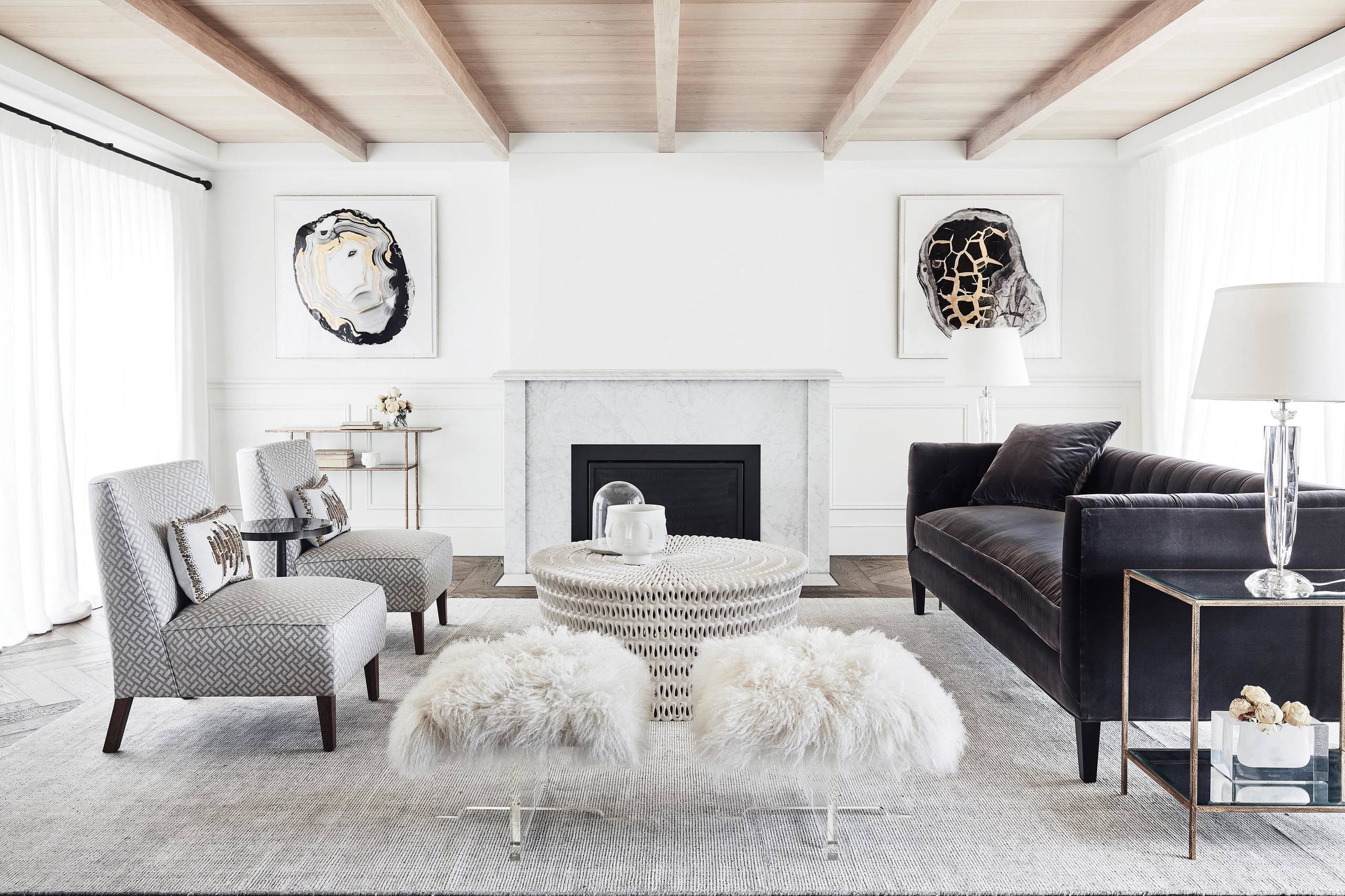
Art that feels too small looks lost. Oversized pieces can overwhelm. A safe width equals about two-thirds of the sofa length. Interior standards from Architectural Digest and House Beautiful highlight this ratio again and again.
2. Mind the Hanging Height

Hang art 6–10 inches above the couch back. Too high breaks connection. Too low feels cramped. Museums like The Museum of Modern Art (MoMA) emphasize eye-level harmony, a principle adapted for homes.
3. Build Visual Balance
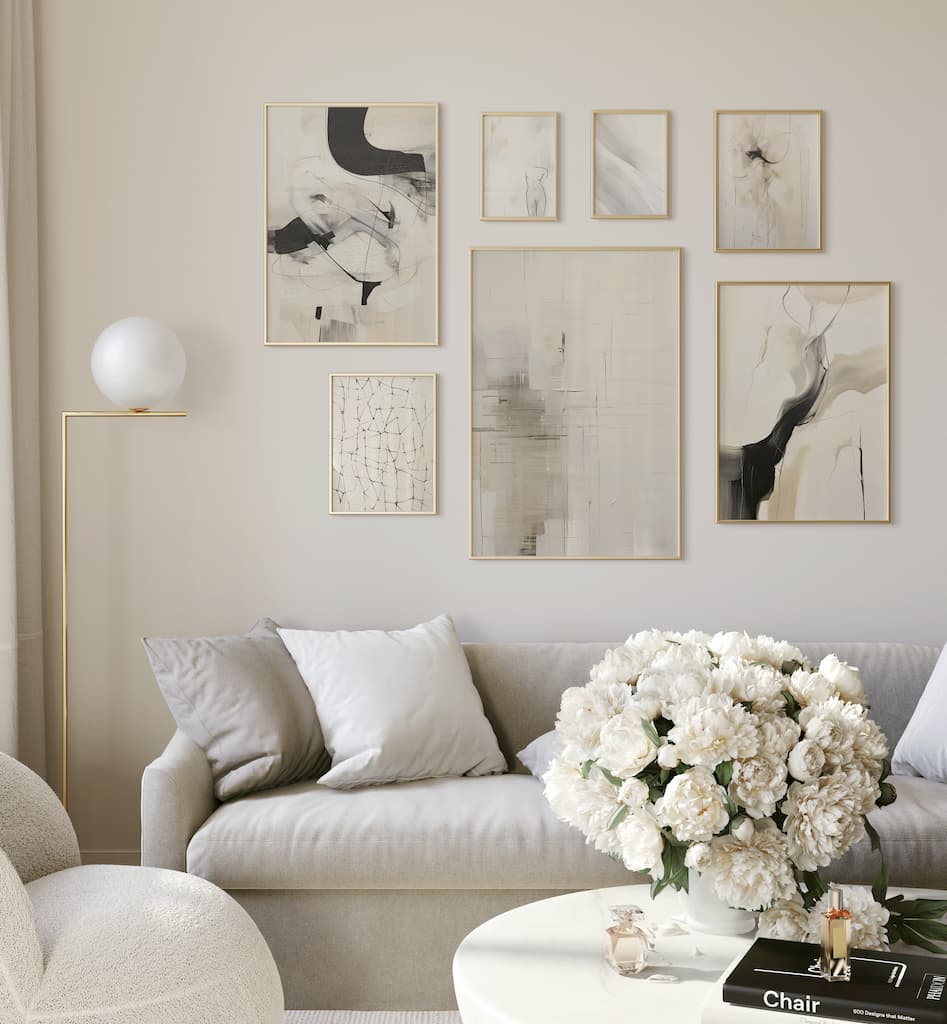
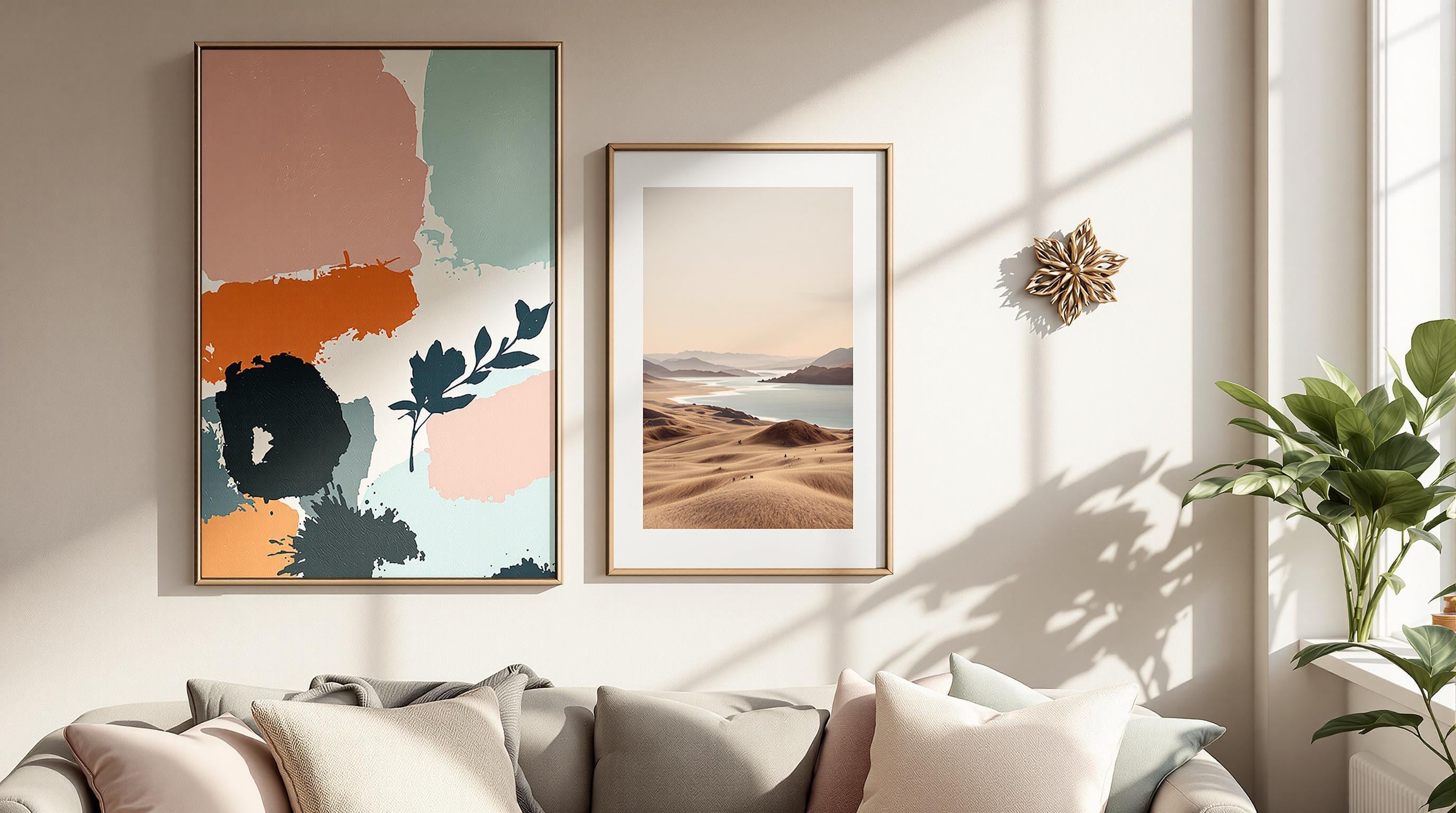
Balance colors, shapes, and weight. Pair bold pieces with calmer elements. Repeat tones from pillows, rugs, or curtains.
Arrangement 1: The Classic Gallery Wall

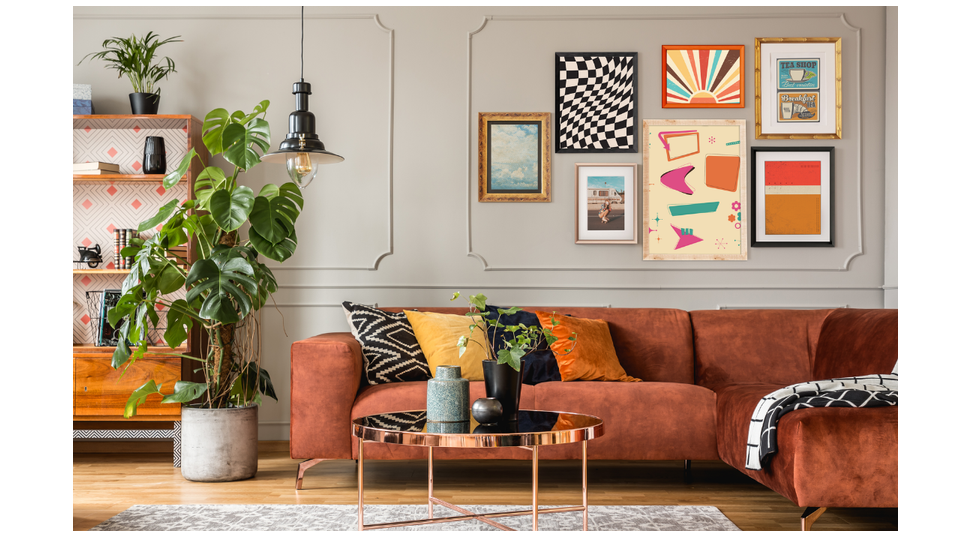
A gallery wall tells a story. Family photos. Travel prints. Small art pieces. Together they create rhythm. Start with a central frame. Expand outward. Keep spacing consistent, about 2–3 inches.
Experts from HGTV often suggest laying frames on the floor first. This step prevents uneven layouts.
Arrangement 2: One Oversized Statement Piece

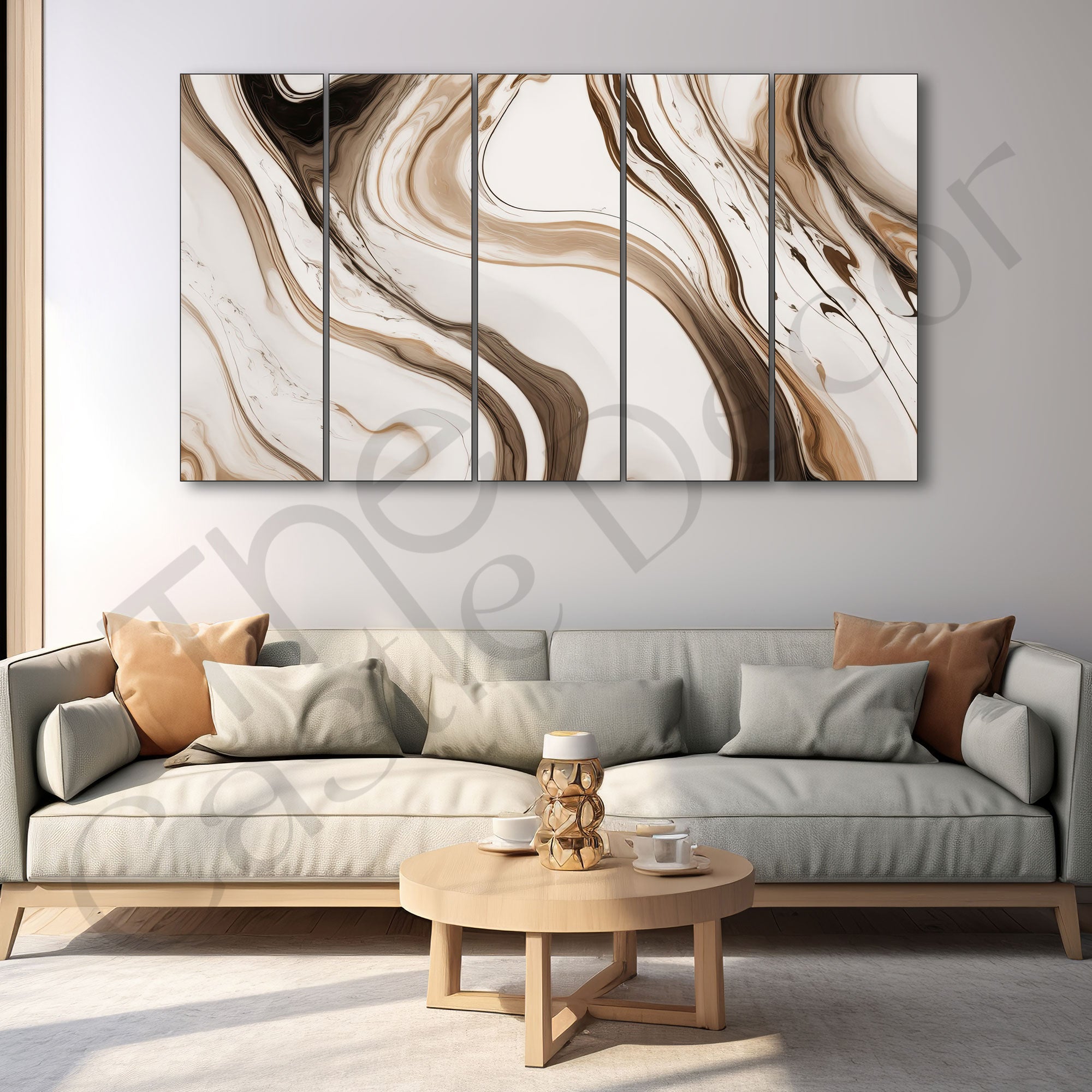
Sometimes, less says more. A large canvas adds drama. It simplifies styling. It suits modern, Scandinavian, or minimalist homes.
Choose art with colors that echo your decor. Designers at Elle Decor recommend pulling tones from textiles for harmony.
Arrangement 3: Symmetrical Pairing
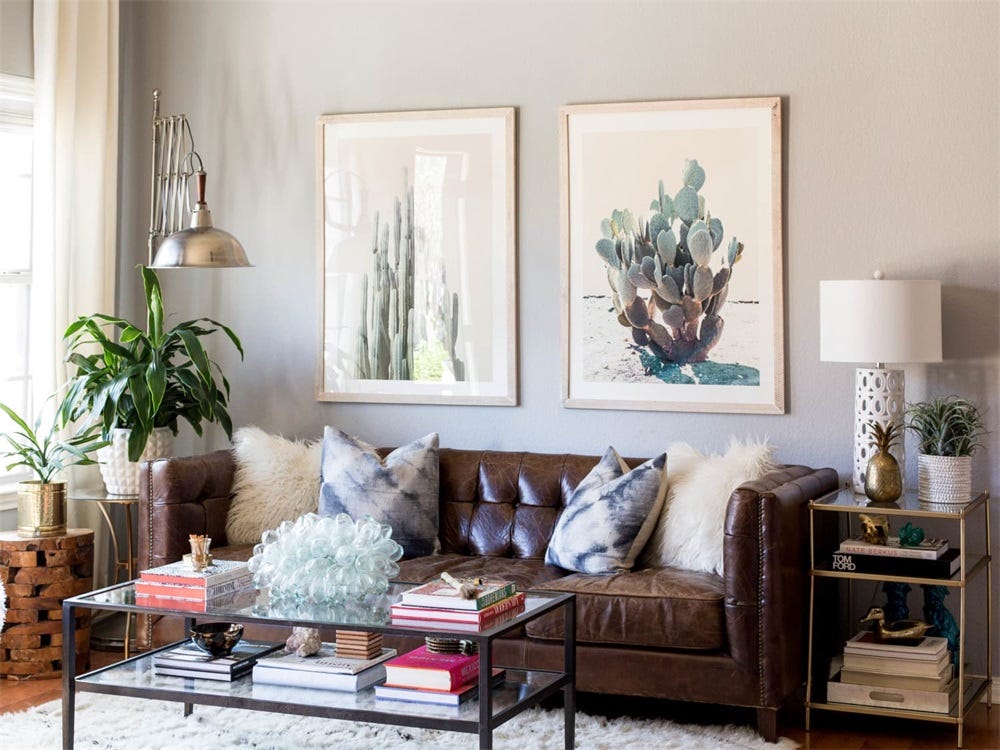

Two matching artworks create order. They calm busy rooms. This layout fits traditional and transitional interiors.
Symmetry supports visual stability, a core idea in design theory discussed by Nielsen Norman Group in visual perception research.
Arrangement 4: Floating Shelves Display


Shelves add depth and flexibility. Mix framed art, small plants, books, and ceramics. Rotate items seasonally.
Retail stylists from West Elm and Pottery Barn use layering: art at the back, objects in front.
Arrangement 5: Mirror for Light and Space


Mirrors reflect daylight. They expand small rooms. Round mirrors soften sharp furniture lines.
According to lighting studies shared by the International Association of Lighting Designers (IALD), reflection improves brightness perception.
Arrangement 6: Mixed Media Art


Blend canvas art with metal, wood, or textile pieces. Texture creates interest. It prevents flat visuals.
Interior editors at Dwell often highlight tactile contrast as a key modern trend.
Arrangement 7: Minimalist Line Art

Clean lines. Soft colors. Quiet mood. Perfect for Japandi and contemporary homes.
Minimalist visuals reduce cognitive load, a concept discussed in Harvard Design Magazine.
Arrangement 8: Vintage Eclectic Blend

Old meets new. Antique frames. Retro prints. Personal charm. This style feels warm and layered.
Curated vintage looks often appear in Better Homes & Gardens features.
Arrangement 9: Nature-Inspired Wall

Botanical prints. Landscape photography. Earthy colors. Calm energy.
Biophilic design research from Terrapin Bright Green links nature visuals to well-being.
Arrangement 10: Sculptural Wall Accent

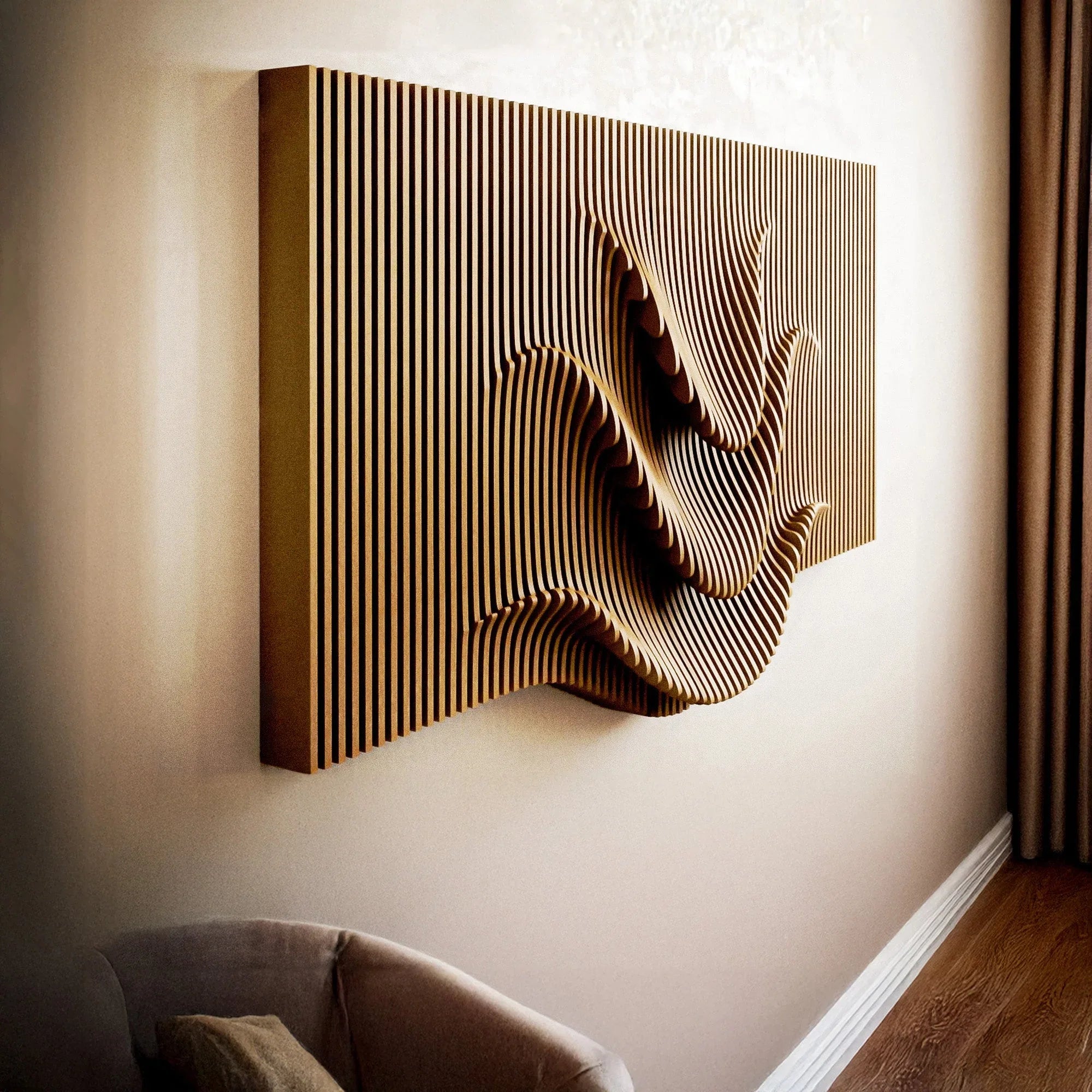

Wall sculptures add dimension. They catch shadows. They create a focal point without clutter.
Modern collections at Saatchi Art showcase this approach.
Final Thoughts on Choosing the Right Wall Decor Ideas:


Your wall shapes how the room feels. Bold or calm. Structured or free. Start with proportion. Check height. Build balance. Then trust your taste.
Great rooms rarely happen by accident. They grow through small, smart choices.