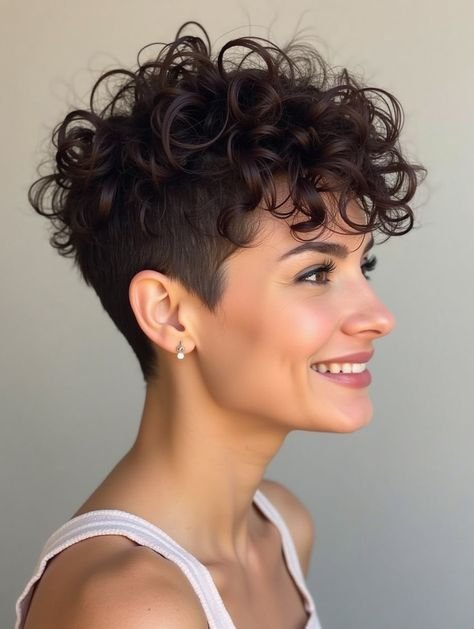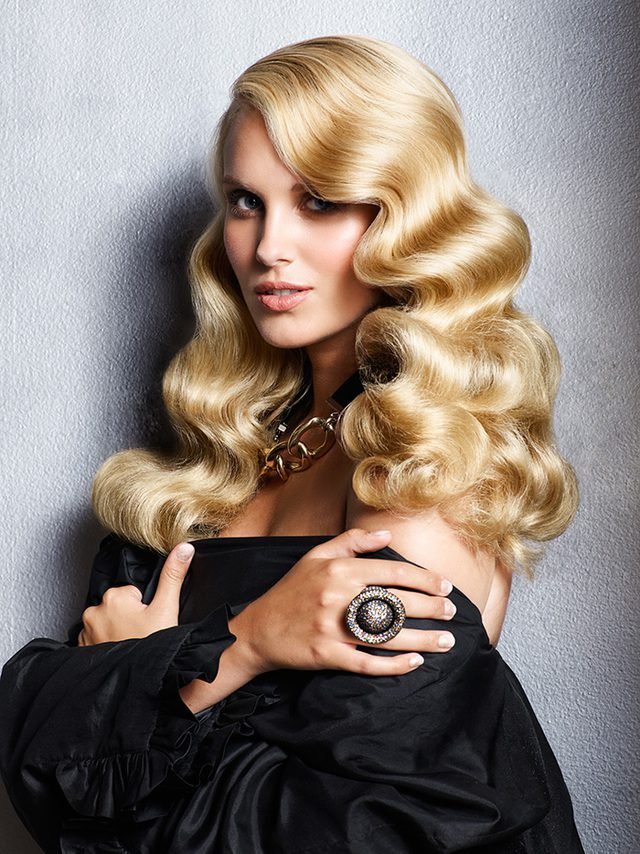
Static-free winter hair starts with understanding the enemy: dry indoor heating and cold outdoor air strip moisture from every strand, leaving hair positively charged and desperate to cling to anything nearby. The fix is not one product but a system — adding moisture back, reducing friction, and choosing styles that do not invite flyaways in the first place. These sixteen tips and styles work together as a complete anti-static routine, from the pillowcase she sleeps on to the braid she wears out the door. Each one is practical, affordable, and proven against the worst of winter’s electric shock season. Whether her hair is fine and flyaway-prone or thick and frizz-prone, combining even three or four of these strategies will visibly calm the chaos.
Switch to a Silk Pillowcase

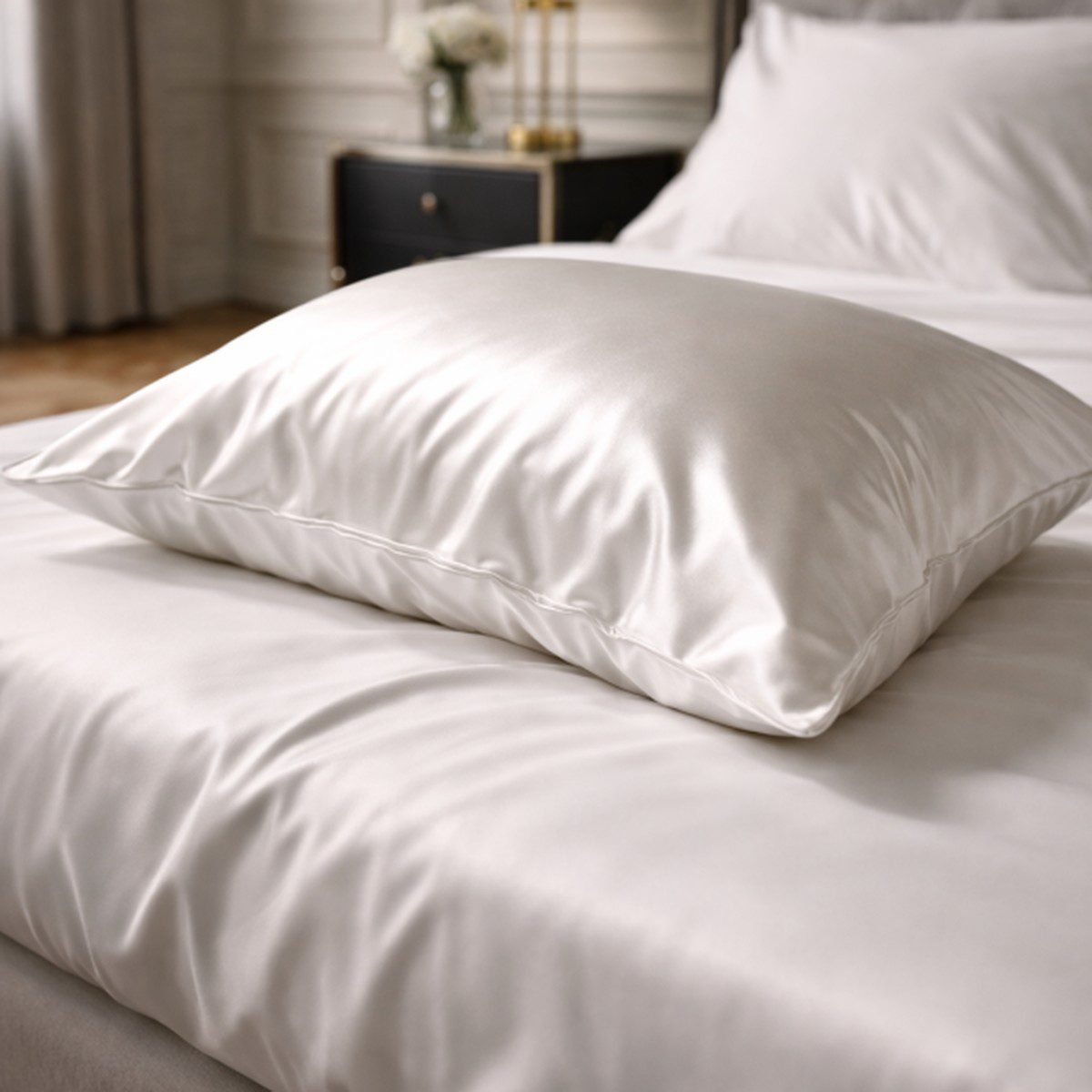
A silk pillowcase is the highest-impact overnight change she can make for static-prone winter hair. Cotton pillowcases create friction as she tosses in her sleep, generating the electric charge that becomes morning flyaways, while silk’s smooth fibers let hair glide without building static. The difference is visible after a single night: smoother roots, fewer halo frizzies, and styles that survive until morning. It benefits every hair type but transforms fine hair most dramatically, since fine strands charge fastest. She should choose real silk or high-quality satin in a weave tight enough to feel cool to the touch, and wash it weekly since oils transfer faster to silk. Pro tip: if a full silk set feels extravagant, a single pillowcase is all her hair touches — that is the only one that matters.
Run a Humidifier at Night

Running a humidifier in the bedroom attacks static at its source: dry air. Winter indoor humidity often drops below twenty percent, and hair — like everything else — gives up its moisture to the parched air, becoming light, charged, and uncontrollable. Adding moisture to the air while she sleeps lets her hair rehydrate passively for eight hours, so she wakes up with calmer, more manageable strands. It helps every hair type, but anyone with fine or high-porosity hair will notice the biggest change. She should place a cool-mist humidifier within a few feet of the bed, keep it clean to prevent mineral buildup, and aim for forty to fifty percent humidity. Pro tip: she will also wake up with better skin and fewer scratchy throats, which makes the humidifier winter’s best multi-tasking purchase.
Apply a Leave-In Conditioner

A leave-in conditioner is the daily moisture barrier that stands between her hair and static. Unlike rinse-out conditioner, it stays on the strands all day, continuously feeding them the hydration that dry winter air steals and weighing down the light, charged flyaways that cause the halo effect. She should apply it to damp hair from the mid-lengths to the ends, avoiding the roots where it can flatten volume, and choose a formula with humectants like glycerin that draw moisture from the air. Fine hair needs only a dime-sized amount; thick hair can take twice that. The result is hair that stays supple and grounded instead of crackling. Pro tip: on especially dry days, she can layer a second light application on dry ends midday — it absorbs in minutes and resets the static clock.
Mist on an Anti-Static Spray

An anti-static spray is the emergency tool for hair that is already crackling. These lightweight mists neutralize the electric charge on the hair’s surface on contact, laying flyaways flat without the stiffness of traditional hairspray. She should keep one in her bag all winter and mist it over the crown and ends whenever static strikes — after removing a hat, getting out of a car with fabric seats, or walking through a heated office. It works on every hair type and will not disturb curls or waves, since the formulas are designed to be weightless. For best results, she should hold the bottle eight inches away and mist, not drench. Pro tip: in a pinch, a tiny amount of hand lotion smoothed over the palms and pressed onto flyaways works the same way — moisture plus weight kills static instantly.
Dry Hair with an Ionic Dryer

An ionic hair dryer fights static with physics instead of product. Standard dryers blast positively charged ions that rough up the cuticle and leave hair crackling; ionic dryers emit negatively charged ions that neutralize that charge, seal the cuticle flat, and break water molecules into smaller particles so hair dries faster with less heat damage. The result is measurably smoother, calmer hair straight out of the dryer — the ideal static-free foundation. It benefits every hair type, but fine-haired users see the most dramatic difference since their strands charge most easily. She should still use a heat protectant and keep the dryer moving, because ionic technology reduces damage but does not eliminate heat. Pro tip: finishing with the cool-shot button for thirty seconds locks the cuticle down and adds shine that lasts through the driest days.
Brush with Wood or Natural Bristles

Switching from plastic to wood or natural bristles removes one of winter’s biggest static generators. Plastic brushes create friction with every stroke, building the electric charge that sends hair flying — it is the same principle as rubbing a balloon. Wooden brushes and natural boar bristles glide without generating that charge, and boar bristles have the bonus of distributing the scalp’s natural oils down the strand, which adds the weight and moisture that resist static. She should brush gently from the ends upward, never ripping through tangles, and clean the brush weekly since oil buildup reduces its effectiveness. This single swap calms daily brushing static for every hair type. Pro tip: she should keep the plastic brush ban total — combs, too — and replace them with wide-tooth wooden combs for detangling wet hair.
Do a Weekly Hydrating Hair Mask

A weekly hydrating hair mask is the deep-moisture reset that keeps winter static from building up over time. Daily conditioners maintain the surface, but a mask’s concentrated humectants and oils penetrate the strand itself, restoring the internal moisture that weeks of dry air deplete. Chronically dehydrated hair is light and porous — the exact conditions that maximize static — while well-hydrated hair has the weight to lie flat and behave. She should apply the mask to damp hair once a week, leave it for the full recommended time under a shower cap for deeper penetration, and focus on the mid-lengths and ends. Every hair type benefits, but dry and color-treated hair needs it most. Pro tip: she should mask on the same day each week so it becomes routine — Sunday masking means static-free hair for the work week ahead.
Swipe a Dryer Sheet Over Your Brush

Swiping a dryer sheet over her brush is the oldest static trick in the book, and it works because dryer sheets are engineered to do exactly one thing: neutralize electric charge on fabric. The same anti-static coating that keeps clothes cling-free in the dryer lays hair flyaways flat on contact. She should wipe the sheet over her brush bristles before styling, or press it directly onto staticky sections, smoothing from roots to ends. It is a temporary fix rather than a treatment, but it is instant, nearly free, and perfect for midday emergencies. Unscented sheets avoid any fragrance transfer to hair. This trick suits every hair type and is especially handy for fine hair that charges between brush strokes. Pro tip: she can tuck a single dryer sheet into her winter hat — it reduces the hat-removal static explosion at the source.
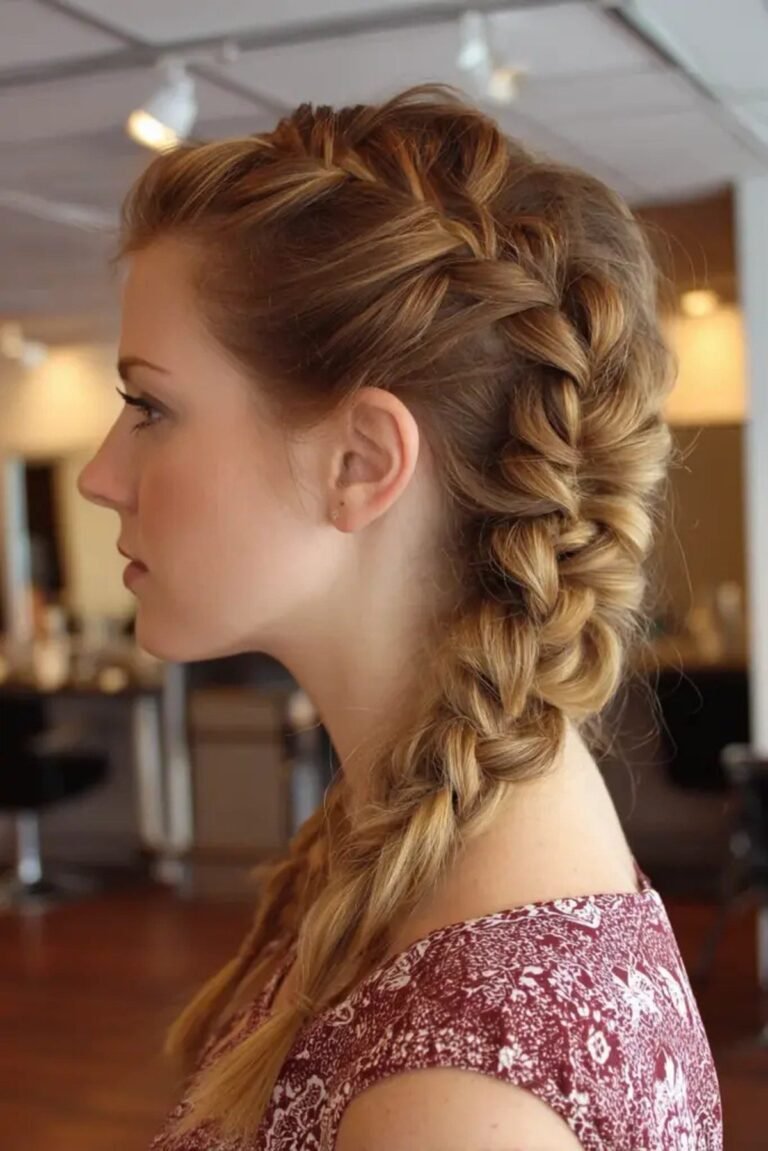
Wear Low Braids on Dry Days

Low braids are the ultimate static-proof hairstyle because they remove hair’s two static triggers: looseness and friction. When strands are woven together and anchored low at the nape, they cannot rub against coat collars, scarves, and sweater fabrics — the friction that generates charge all day. A single low braid or double braids also keep the crown smooth and contained, so there are no loose pieces to go electric. The style works for every hair type and length past the shoulders, takes minutes, and actually looks better slightly lived-in. She should braid on the looser side for comfort and pancake the edges for a fuller look. Pro tip: braiding damp hair with a little leave-in conditioner locks in moisture and creates soft waves when she takes the braids out at night — a static-free style that doubles as heatless styling.
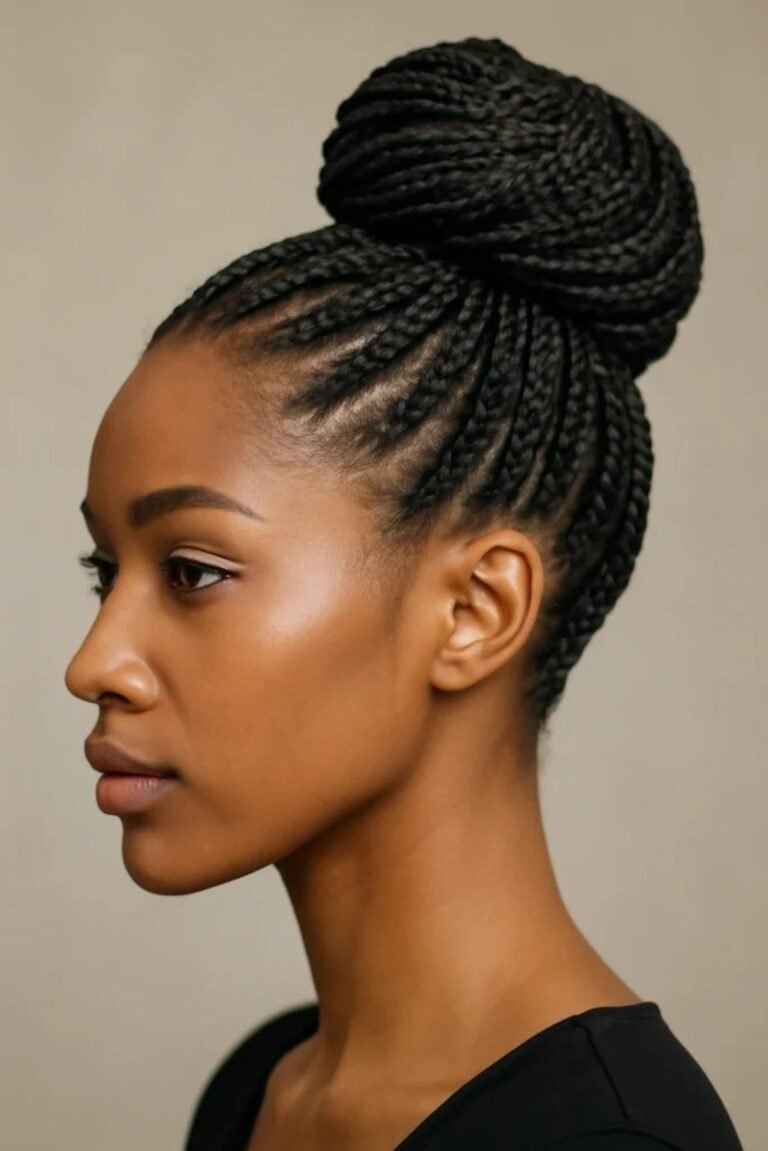
Smooth Hair into a Low Bun

A smooth low bun contains every strand in one controlled shape, leaving static nowhere to show itself. She brushes her hair back with a smoothing cream, twists it into a bun at the nape, and pins it securely — the contained style eliminates the loose ends and surface layers where flyaways live. The bun’s low placement also keeps it clear of hat bands and hood friction, so it survives the whole day intact. It works on all hair types and reads polished enough for professional settings while taking under five minutes. To get the smooth finish, she should brush with a boar-bristle brush after applying product, and wrap a strand around the bun’s base to hide the elastic. Pro tip: a light mist of anti-static spray over the finished bun seals it against the dry office air that undoes looser styles by afternoon.
Wrap Hair in a Silk Scarf

Wrapping hair in a silk scarf before putting on a winter hat creates a friction-free barrier that prevents static at its worst moment. Wool and acrylic hats generate enormous charge as they slide over dry hair; a silk layer between the hat and the hair eliminates that contact entirely, so removal reveals smooth, calm strands instead of an electric halo. She should fold a square silk scarf into a wide band, tie it over her styled hair, and wear the hat over it — or wear the scarf as the style itself on milder days. It protects every hair type and is especially valuable for natural and curly hair, which suffers most from hat friction. Pro tip: she should choose a scarf large enough to cover the full crown, because partial coverage just moves the static line to the scarf’s edge.
Ditch the Plastic Comb

Ditching the plastic comb removes a daily static source most people never suspect. Every pass of a plastic comb drags electrons along the hair shaft, building the charge that makes freshly combed hair stand on end — the effect is worst in winter when the air cannot dissipate the charge. Replacing it with a wooden or seamless horn comb eliminates the problem, since these materials do not generate static and their polished teeth glide without snagging. She should use a wide-tooth wooden comb for detangling wet hair and a fine wooden comb for smoothing dry styles. The swap costs little and benefits every hair type immediately. Pro tip: she should also check her styling tools — plastic bristle round brushes are equally guilty, and a boar-bristle or wooden round brush fixes blowout static too.
Deep-Condition Once a Week

A weekly deep-conditioning session rebuilds the moisture foundation that daily products only maintain. Winter’s dry air does not just dry the hair’s surface — over weeks it depletes the strand’s internal water content, leaving hair progressively lighter, more porous, and more static-prone as the season wears on. A proper deep conditioner with penetrating ingredients like shea butter, ceramides, or hydrolyzed proteins restores that internal moisture and patches the cuticle, so each strand gains the weight and smoothness that resist electric charge. She should apply it to clean, damp hair, add gentle heat with a shower cap or warm towel, and rinse with cool water. Color-treated and heat-styled hair needs this most. Pro tip: she should deep-condition the night before any big event — the smoothness and shine peak in the twenty-four hours after treatment.
Towel-Dry with Microfiber

Towel-drying with microfiber instead of terrycloth prevents the cuticle damage that makes winter static worse. Standard bath towels have rough loops that catch and lift the hair’s cuticle as she rubs, creating a frayed surface that both loses moisture faster and generates more friction — a double penalty for static. Microfiber’s ultra-fine fibers absorb water through gentle pressing without roughing up the strand, so the cuticle stays flat, moisture stays in, and hair dries smoother from the very first step. She should squeeze and press rather than rub, working from roots to ends, and wrap the microfiber turban-style for ten minutes to wick away excess water. Every hair type benefits, but curly hair sees the biggest frizz reduction. Pro tip: an old cotton T-shirt works nearly as well as microfiber in a pinch — the key is smooth fibers, not loops.
Smooth Flyaways with Hair Oil

Smoothing flyaways with hair oil attacks static with weight and moisture simultaneously. Charged flyaways stand up because they are light and dry; a thin film of oil adds just enough weight to pull them down while sealing in the moisture that keeps them grounded. She should warm one to two drops between her palms and press — not rub — over the crown and any staticky sections, adding more only if needed since over-application looks greasy by midday. Argan and jojoba oils absorb fastest and suit most hair types; fine hair should use the lightest touch. The effect is instant and lasts for hours. Pro tip: she should apply the oil as the final step of her routine, because layering products over oil prevents them from absorbing — oil always goes last.
Try a Half-Up Twist

The half-up twist is the static-friendly style for days when she wants her hair down but under control. She twists back the top sections from each temple and pins them at the crown, which captures the exact layer — the canopy — where static flyaways are most visible, while leaving the bottom lengths free. The pinned canopy cannot lift and crackle, and the contained crown looks smooth and intentional even in the driest heated rooms. It takes two minutes, works on every texture and length past the chin, and keeps growing-out bangs neatly off the face. To make it, she should twist the sections away from the face and secure them with crossed bobby pins for all-day hold. Pro tip: a light mist of anti-static spray over the finished twist locks the canopy down through hat removal, scarf changes, and everything else winter throws at it.
Beating winter static is about stacking small wins: moisture in, friction out, and styles that work with dry air instead of against it. She does not need all sixteen strategies — picking the three or four that fit her routine will transform her hair’s behavior for the whole season. Start tonight with the pillowcase and the leave-in, and the mirror will show the difference by morning.