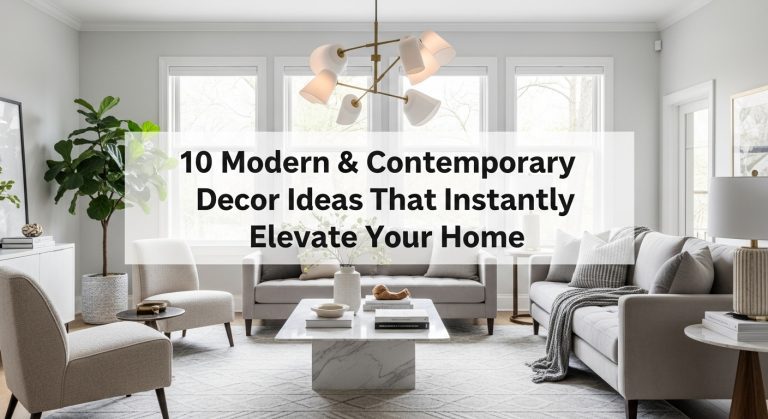
Small homes carry big lives. Daily routines, storage needs, and comfort all compete for space. When rooms feel tight, stress rises. Space-saving decor helps you use what you already have more wisely. It creates breathing room without knocking down walls.

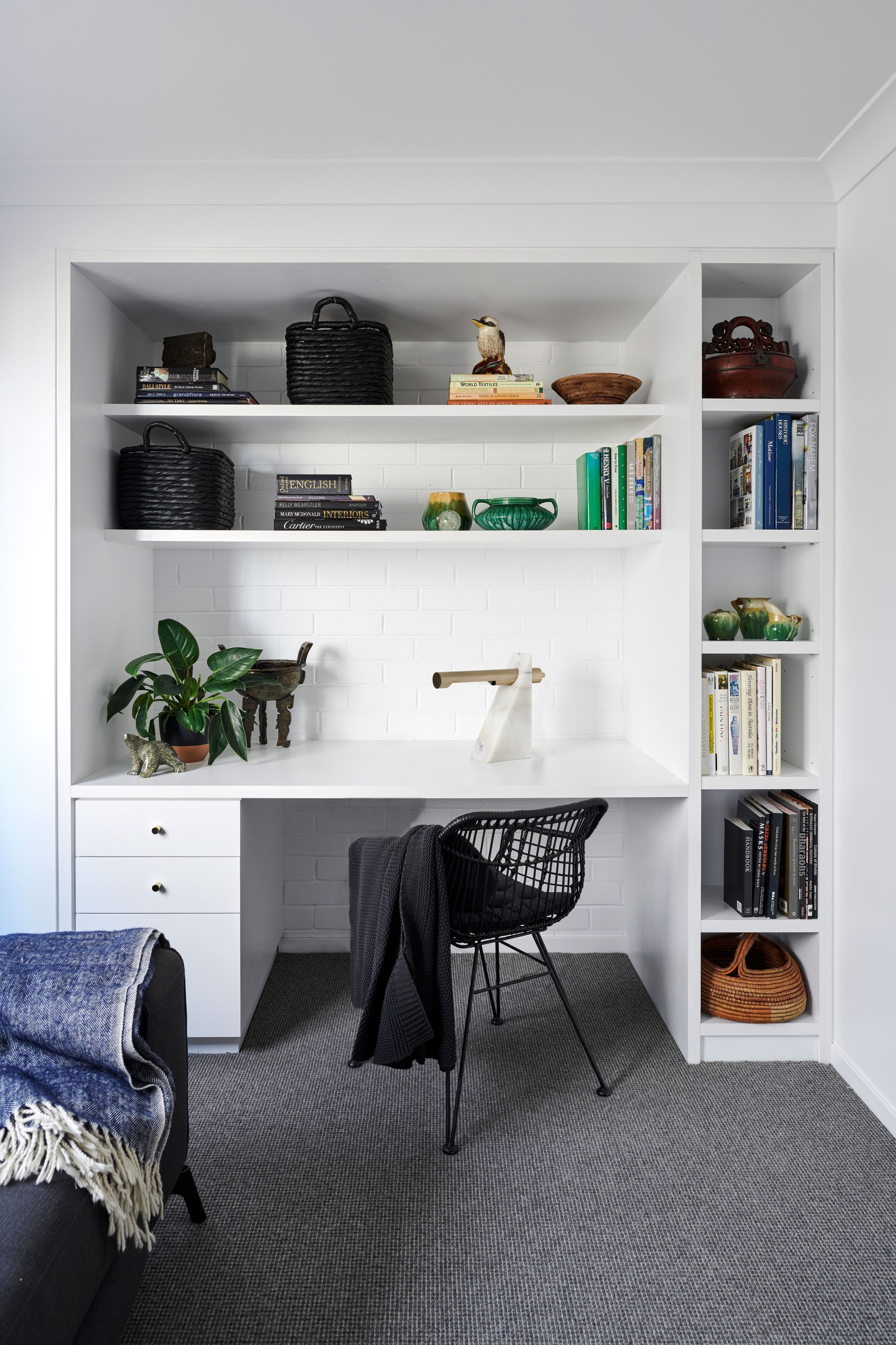
This guide shares practical, expert-backed ideas that work in real homes with limited space.
What Is Space-Saving Decor?
Space-saving decor focuses on design choices that reduce clutter and improve flow. Designers use smart furniture, vertical storage, and light visuals instead of bulky decor. According to Architectural Digest and The Spruce, efficient decor improves comfort and movement in small spaces.


It is about smart use, not empty rooms.
Start by Removing Visual Clutter
Too many items make a room feel smaller. Clear surfaces help the eye rest. Interior planners often suggest editing decor before adding storage. Fewer items create more calm.
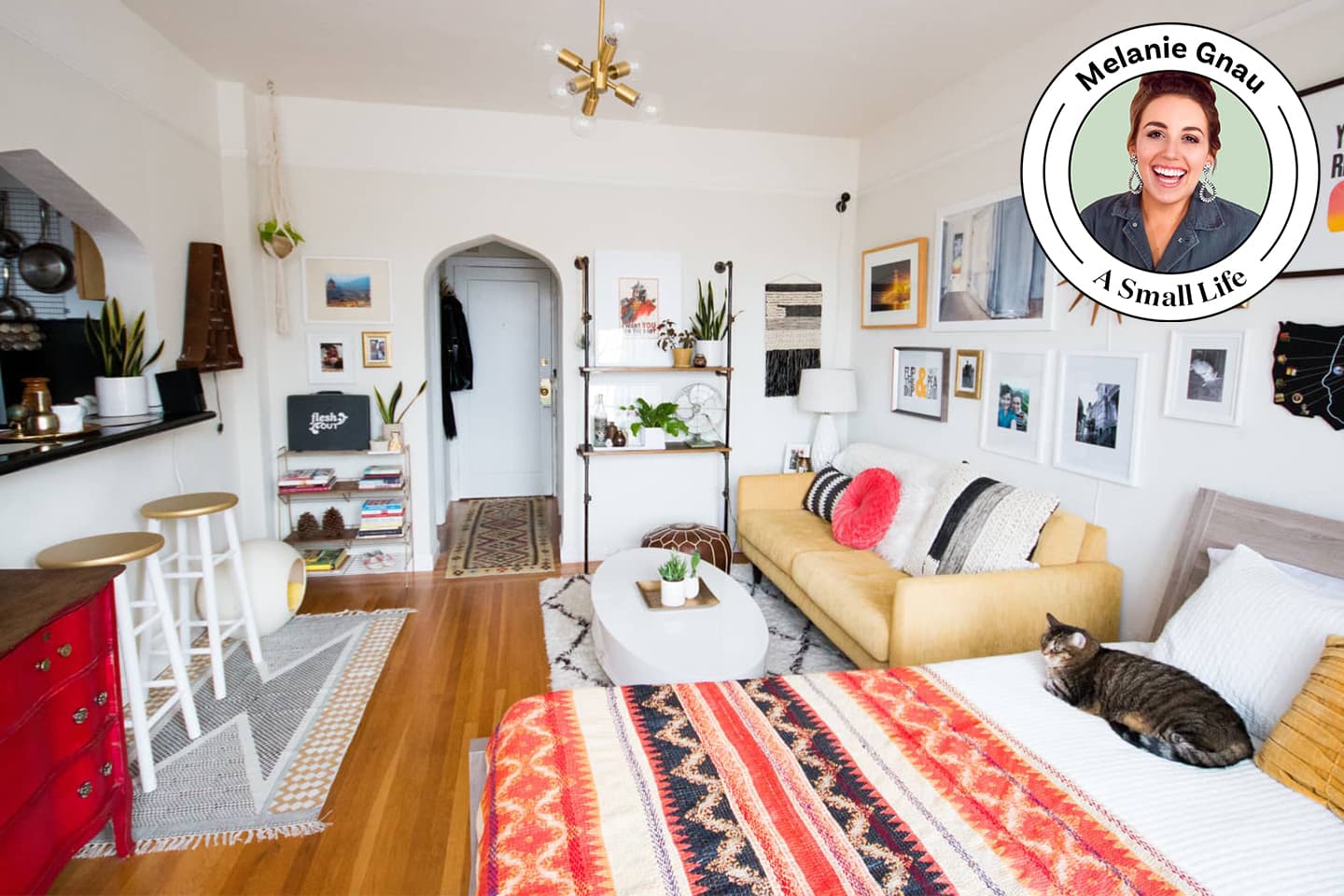

This step strengthens Space-saving decor instantly.
Use Vertical Space Instead of Floor Space
Walls offer unused potential. Shelves, wall hooks, and tall cabinets keep floors clear. Designers on Houzz recommend vertical storage to improve movement in small rooms.


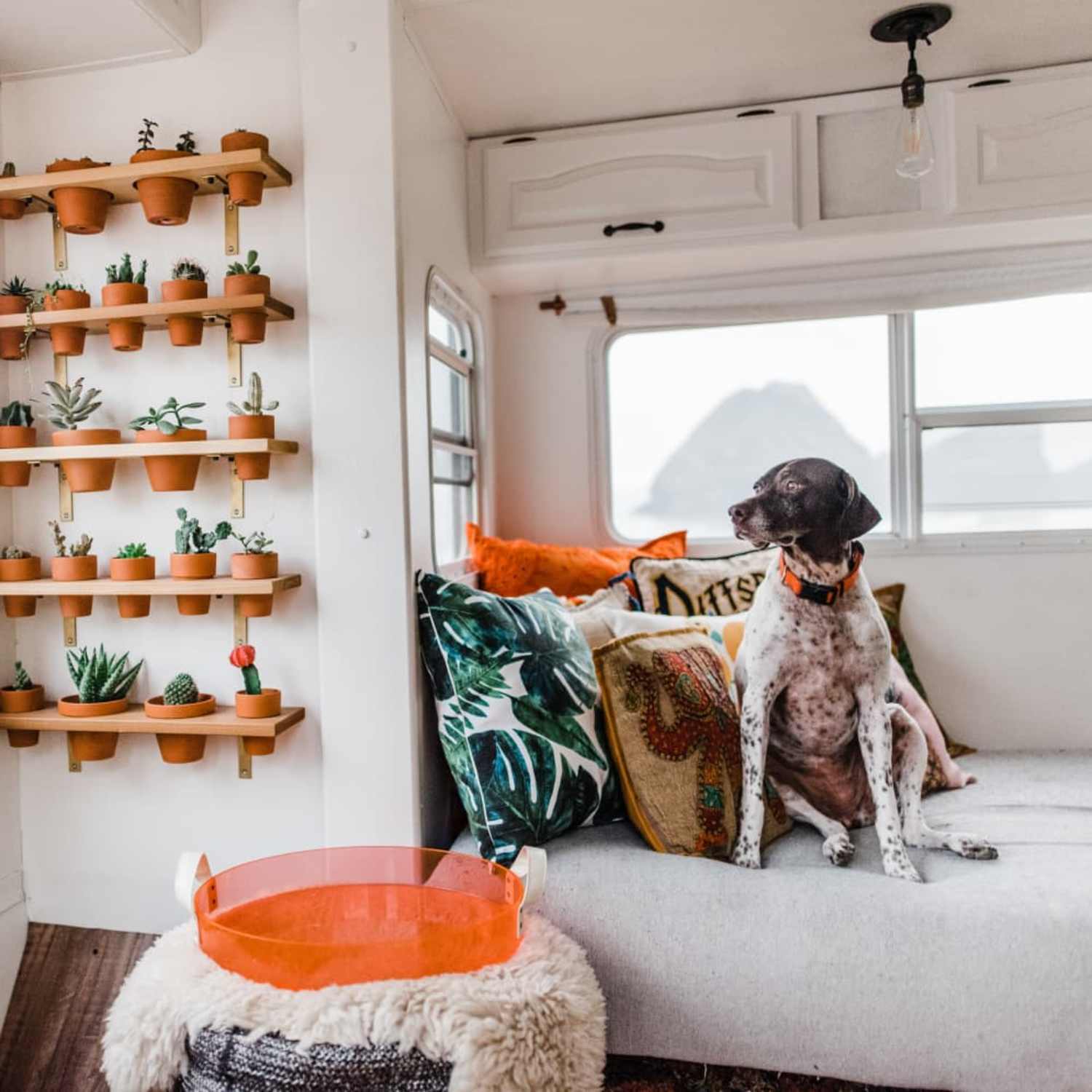
Upward storage frees the room.
Choose Furniture With Dual Purpose
Furniture should work twice as hard in small homes. Storage beds, ottomans, fold-out tables, and benches with compartments save space. Designers featured by House Beautiful often use multi-functional furniture in compact layouts.


Dual use defines Space-saving decor.
Keep Furniture Light and Raised
Furniture with slim legs allows light to flow underneath. This creates the illusion of space. Scandinavian interiors often use raised furniture, as seen in projects shared by Dezeen.

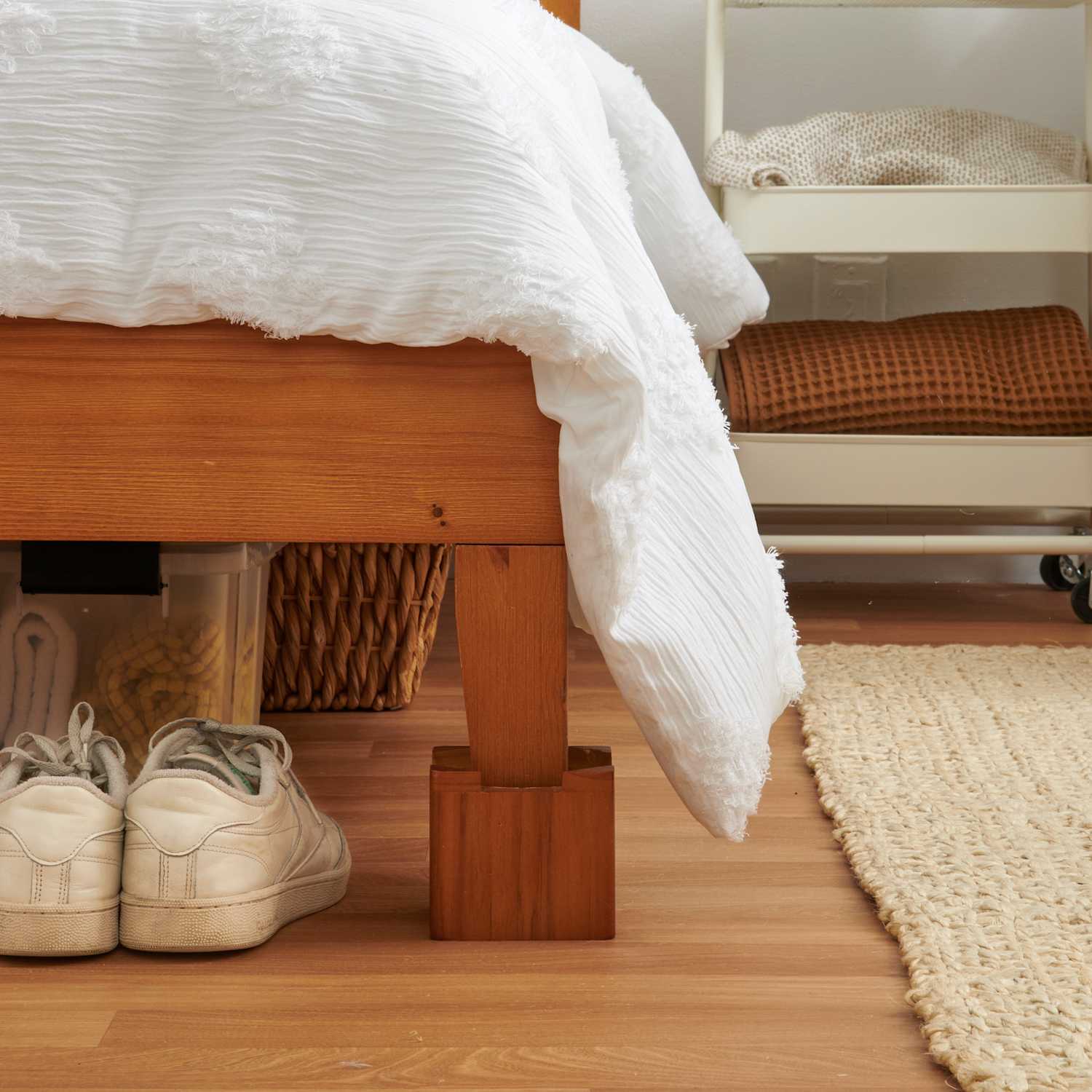
Airflow makes rooms feel larger.
Use Mirrors to Expand Visual Space
Mirrors reflect light and depth. A well-placed mirror can double the feel of a room. Designers often use mirrors in narrow or dark spaces to open them visually.

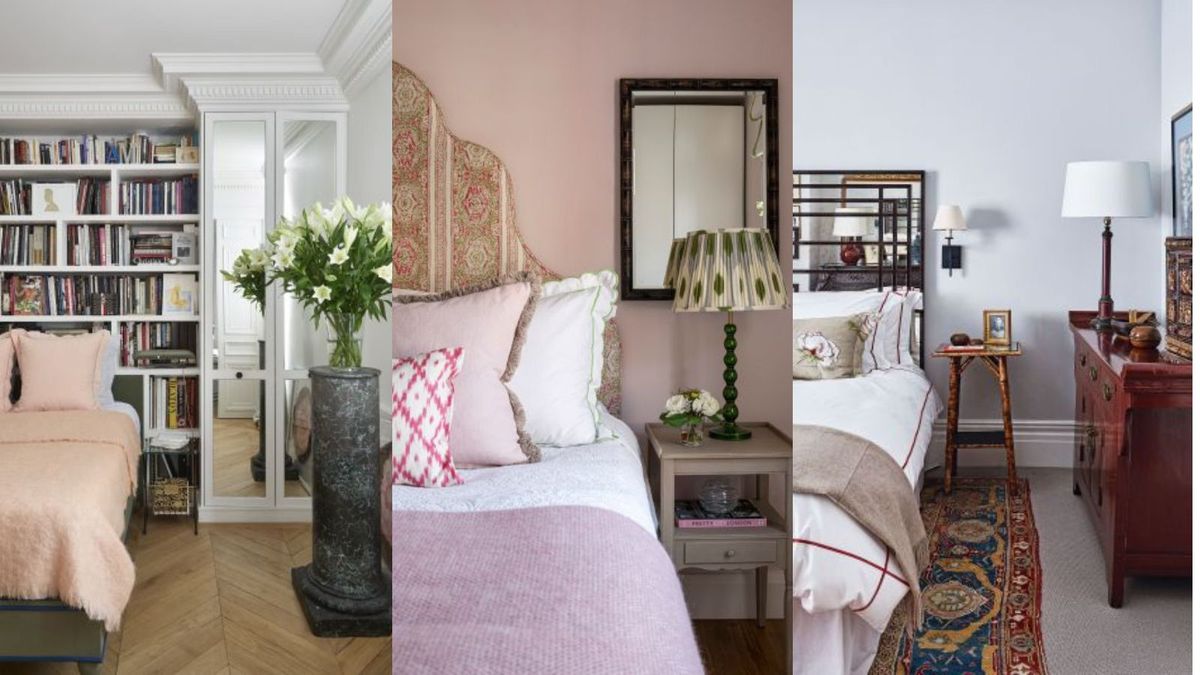
Reflection boosts Space-saving decor naturally.
Stick to a Light and Unified Color Palette
Color affects space perception. Light neutrals reflect more light. Beige, soft gray, off-white, and pale wood tones work best. Color specialists from Benjamin Moore explain that unified palettes reduce visual breaks.


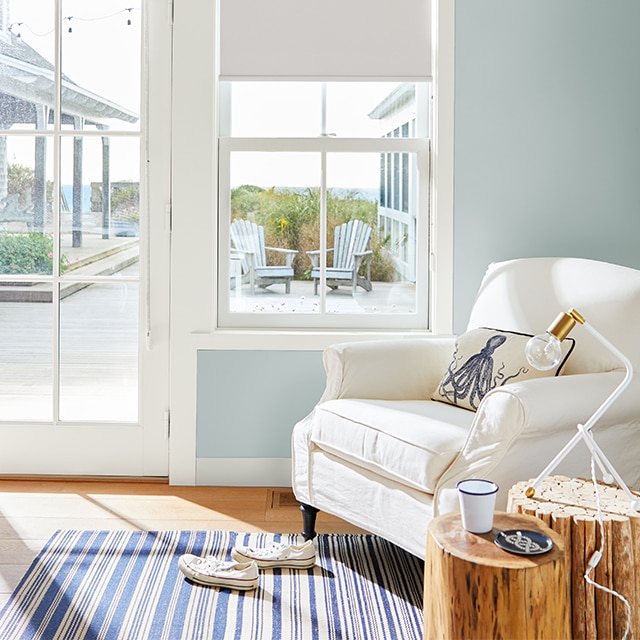
Consistency creates calm.
Limit Decor to Meaningful Pieces
Small spaces need editing. Choose decor that adds function or meaning. One plant. One artwork. One tray. Designers agree that fewer items create stronger impact.

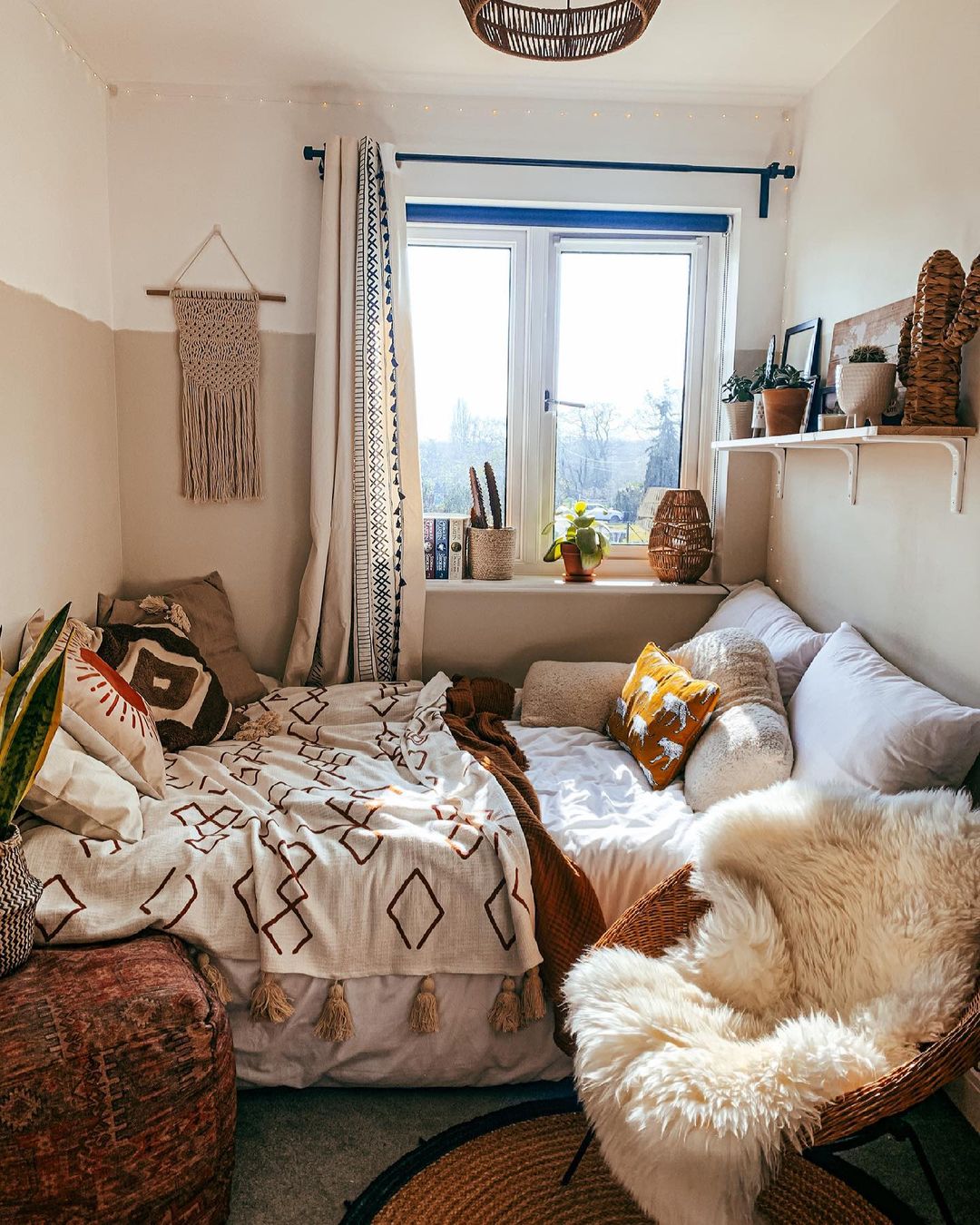

Less decor supports Space-saving decor goals.
Space-Saving Decor for Daily Living
A well-designed small space supports daily life. You move easily. You clean faster. Wellness-focused designers link organized, open spaces with reduced mental load. This aligns with principles shared by Terrapin Bright Green.


Ease improves quality of life.
Conclusion: Small Changes, Big Space Impact
You do not need a bigger home to feel comfortable. With thoughtful Space-saving decor, small spaces can feel open, calm, and functional. Focus on function, light, and intention. Let every item earn its place.

Smart decor creates room to breathe.
FAQs Space-Saving Decor
What is space-saving decor?
Space-saving decor uses smart design and furniture to reduce clutter and make small spaces feel open and easy to move in.
How does space-saving decor help small homes?
It improves movement, reduces visual clutter, and helps small rooms feel bigger without adding extra space.
Which furniture works best for space-saving decor?
Multi-purpose furniture like storage beds, ottomans with storage, and foldable tables work best.
Can space-saving decor work in rented homes?
Yes. Wall shelves, mirrors, and movable storage pieces work well without permanent changes.
Do mirrors really help save space visually?
Yes. Mirrors reflect light and depth, making rooms feel larger and brighter.
What colors support space-saving decor?
Light and neutral colors like white, beige, soft gray, and light wood tones support an open feel.