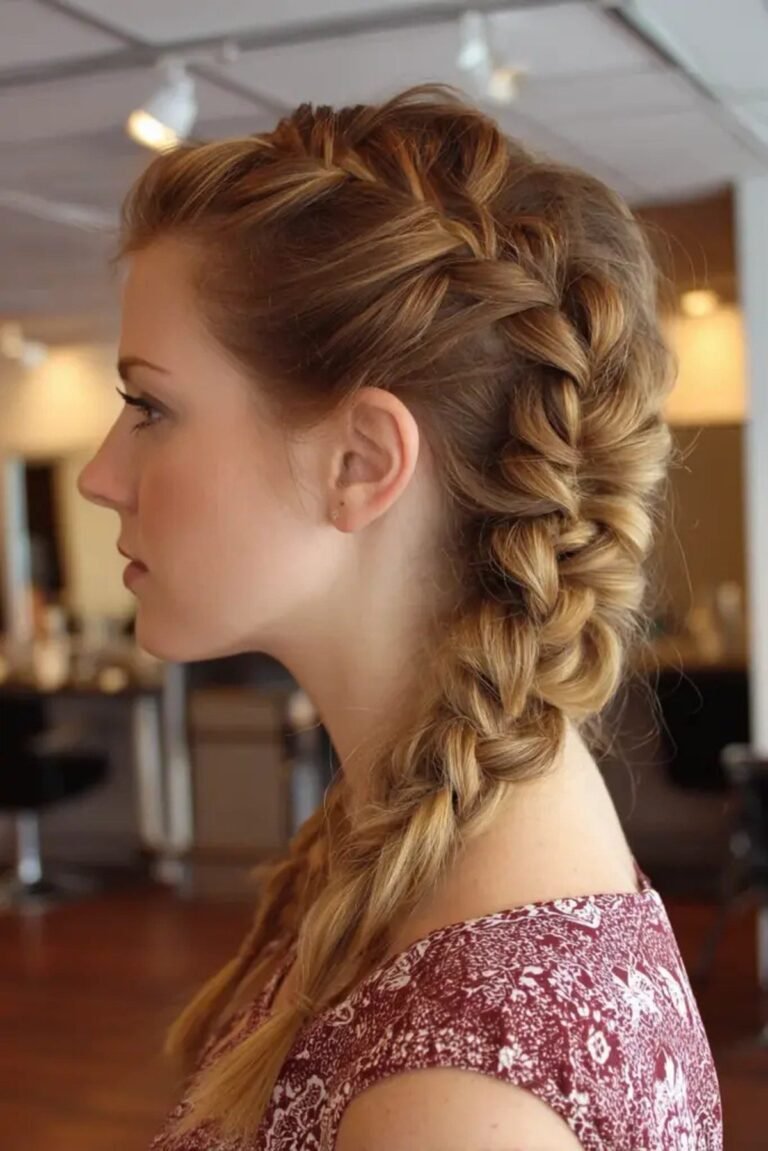
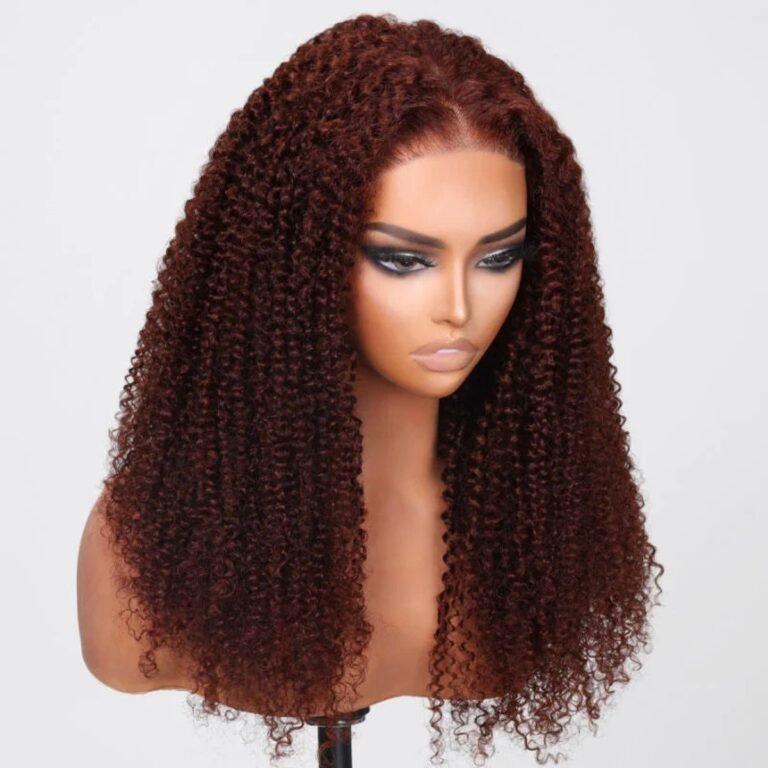
The fear of the awkward grow-out phase keeps many women from going short — but the right cut eliminates that fear entirely. Grow-out-friendly short haircuts are designed with soft shapes, strategic length, and texture that looks intentional at every stage, so today’s pixie becomes tomorrow’s bixie, then a bob, with no crisis in between. This list of 16 cuts covers the most forgiving short styles for 2026, from long pixies and shaggy crops to lobs and tapered natural cuts. Each includes the grow-out timeline, the trim strategy that keeps it looking deliberate, and pro tips for managing each stage like you planned it all along.
1. The Long Pixie
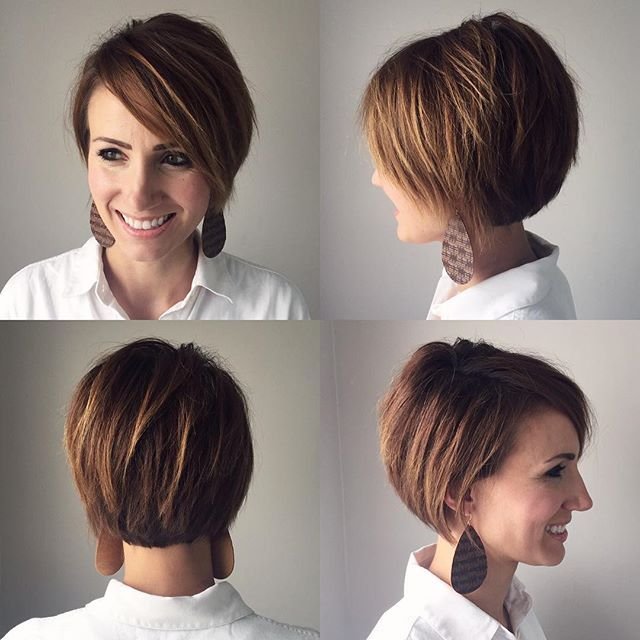
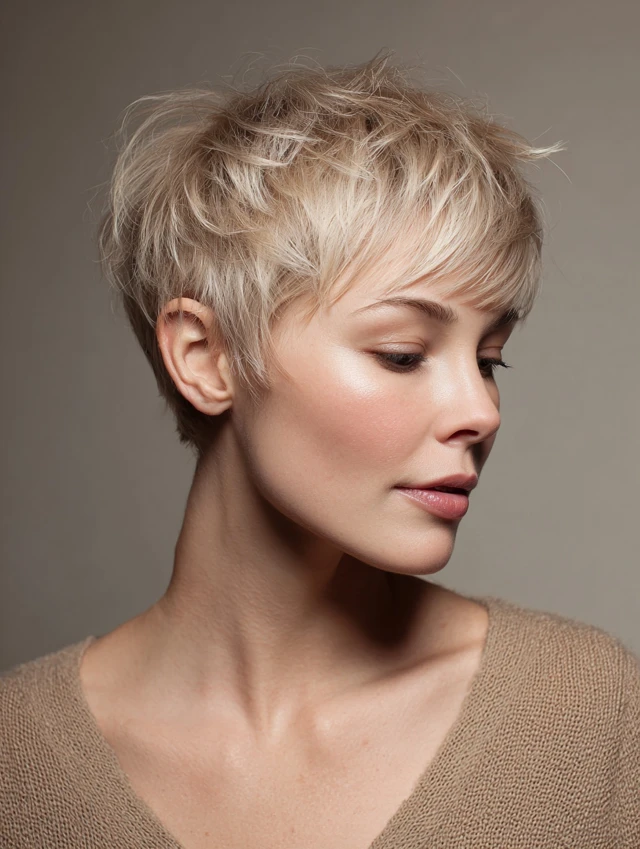
The long pixie — three to four inches on top with softly tapered sides — is the gold standard of grow-out-friendly short cuts. Because every section is already on the longer side of short, an extra inch of growth just makes it a shaggier, cooler version of itself rather than an awkward in-between. The shape holds for eight to ten weeks between trims. Style with texture cream scrunched through the crown for piece-y definition that disguises uneven growth.
Best for: Straight to wavy hair, anyone considering growing out eventually. Pro tip: Ask for the sides to be scissor-tapered rather than clippered — clipper lines show dramatically as they grow.
2. Soft Bixie (Pixie-Bob Hybrid)

The bixie grows out beautifully because it is already two cuts in one: as the cropped back lengthens, it simply becomes more bob-like. The face-framing front pieces keep the growing shape flattering at every stage, and the whole cut transitions naturally into a short bob with zero awkward phase. Keep the back trimmed lightly every eight weeks while letting the front grow, and you’ll glide into bob territory seamlessly.
Best for: Fine to medium hair, round and square faces. Pro tip: Tell your stylist your grow-out goal at the first appointment so they can shape the cut toward it from day one.
3. Textured Crop with Long Fringe

A textured crop where the fringe is deliberately left long is designed to evolve: as the fringe grows, it becomes side-swept bangs, then face-framing layers. The choppy texture throughout disguises uneven growth rates between sections — some parts always look intentionally piece-y. This cut buys you three to four months of good-looking growth before needing a reshape, making it ideal for low-maintenance schedules.
Best for: Straight to wavy hair, thick or fine textures. Pro tip: A texturizing powder at the roots keeps the growing fringe from lying flat and exposing the forehead line.
4. The Soft Undercut Grow-Out Cut

Starting with a soft (not severe) undercut means the shortest part of your hair is hidden underneath — as it grows, it simply blends into the lengths above. The visible top stays long enough to look intentional throughout. This approach works especially well when growing out a pixie: keep the top trimmed into shape while the undercut catches up, and the two sections meet gracefully around month four. The grow-out looks like a textured bob, not a mullet.
Best for: Growing out pixies, thick hair. Pro tip: Resist trimming the undercut section itself — let it grow while only shaping the top.
5. Layered Lob (Long Bob)

The lob is inherently grow-out-friendly: collarbone length gives every section room to grow without losing the shape. Soft internal layers keep the ends from going triangular as they lengthen, and the cut transitions naturally into long layered hair. Most lobs look great for twelve weeks between trims — the longest interval of any short cut. It is the safest short cut for commitment-phobes who may want length again.
Best for: All hair types, anyone hedging toward long hair. Pro tip: Ask for invisible layers (cut inside the shape) so growth stays smooth rather than shelf-like.
6. Shaggy Pixie

The shaggy pixie is grow-out-proof by design: its choppy layers, piece-y fringe, and deliberately undone finish mean new growth just adds to the shag. There is no precise shape to lose, so the cut looks intentional for months. As it grows, it morphs into a short shag, then a wolf cut — each stage a legitimate trending style. This is the cut for anyone who hates the salon-grow-out cycle.
Best for: Wavy and curly textures especially, low-maintenance lifestyles. Pro tip: Embrace air-drying — the shag’s texture looks best with minimal heat styling.
7. Blunt Bob with Soft Ends

A chin-length blunt bob with slightly softened (not razor-thin) ends grows out into a clean lob with no awkward stage. The strong perimeter line keeps the shape readable as it lengthens, and the softened ends prevent the harsh shelf that blunt cuts can develop. Because the shape is simple, at-home trims between appointments are low-risk — just dust the very bottom. Expect a graceful grow-out of four to five months.
Best for: Straight, fine to medium hair. Pro tip: Keep the part consistent during grow-out — switching parts on a growing bob creates uneven-looking lengths.
8. Curly Tapered Cut

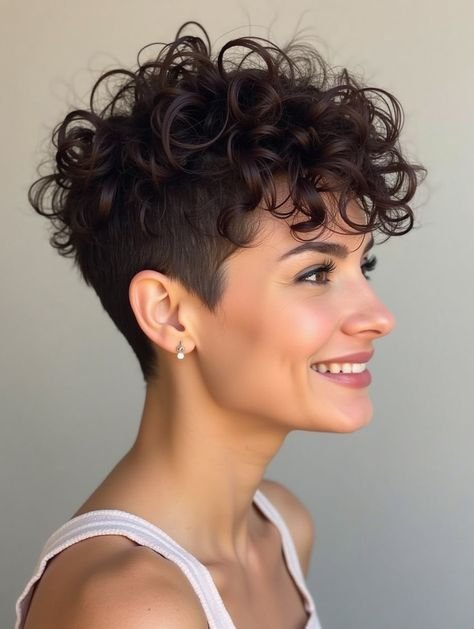
For curly hair, a tapered cut with length on top grows out into a beautifully rounded shape — curls spring upward as they gain weight, so growth actually improves the silhouette. The taper at the sides and nape keeps the growing shape from going triangular. Shape trims every ten to twelve weeks (less frequent than straight hair needs) keep it intentional. As it grows, it becomes a curly bob, then a rounded mid-length cut.
Best for: Type 3–4 curls. Pro tip: Grow-out trims should be curl-by-curl on dry hair to respect how each curl will spring as it lengthens.
9. The Modern Pageboy

The modern pageboy — a rounded bob with a full fringe, worn with soft texture — grows out as a cohesive unit because the fringe and lengths lengthen together. The rounded shape means no section outpaces another awkwardly. As the fringe grows past the brows, sweep it aside into curtain bangs and keep going. This vintage-inspired cut is having a 2026 moment and its grow-out is part of the charm.
Best for: Straight to slightly wavy hair, vintage style lovers. Pro tip: The fringe needs mini-trims every four weeks during grow-out or it will overwhelm the face.
10. Asymmetrical Bob

An asymmetrical bob (one side longer) grows out interestingly: the asymmetry gradually softens into a long angled bob, which is itself a polished style. The built-in angle disguises uneven growth between the two sides — the cut already expects them to differ. This is a clever choice if your hair grows at different rates on each side (common from sleeping position). The grow-out stays deliberate-looking for months.
Best for: Straight hair, anyone with uneven growth patterns. Pro tip: Photograph the original asymmetry so your stylist can maintain the intended angle during grow-out trims.
11. Choppy Bob

The choppy bob’s textured, broken-up ends are the ultimate grow-out camouflage — new growth just reads as more texture. Unlike blunt cuts that show every millimeter of growth, the choppy finish stays convincingly intentional for ten to twelve weeks. As it lengthens, it becomes a choppy lob, another fully legitimate style. Sea-salt spray and scrunching enhance the piece-y finish that makes this cut so forgiving.
Best for: Wavy textures, thick hair, casual styles. Pro tip: Ask for the choppiest texture at the very ends and smoother layers inside — it grows out softer.
12. Pixie with Grow-Out Bangs Plan

This strategic pixie is cut with the grow-out mapped from day one: the top and fringe are left at lengths that will become the next stage’s layers. Your stylist essentially cuts “tomorrow’s bob” inside “today’s pixie.” The key is keeping the crown long (three-plus inches) from the start. At each trim, only the nape and sides get cleaned up while the top keeps gaining length — within five months you have a bixie, within eight a bob.
Best for: Committed grow-out planners, fine to medium hair. Pro tip: Book “shape” trims (nape and sides only) every six weeks rather than full cuts to protect top length.
13. The Italian Bob

The Italian bob — chunky, neck-grazing, with minimal layering and a luxurious swing — grows out into an elegant longer bob because its weighty perimeter holds the shape. The lack of fussy layers means nothing grows out shelf-like. It is a 2026 staple precisely because it looks expensive at every length. Keep the ends healthy with regular dustings and the grow-out stays glossy and intentional for half a year.
Best for: Thick, straight to wavy hair. Pro tip: This cut shows damage clearly, so bond-building treatments during the grow-out keep the perimeter looking luxe.
14. Soft Wolf Cut (Short Version)
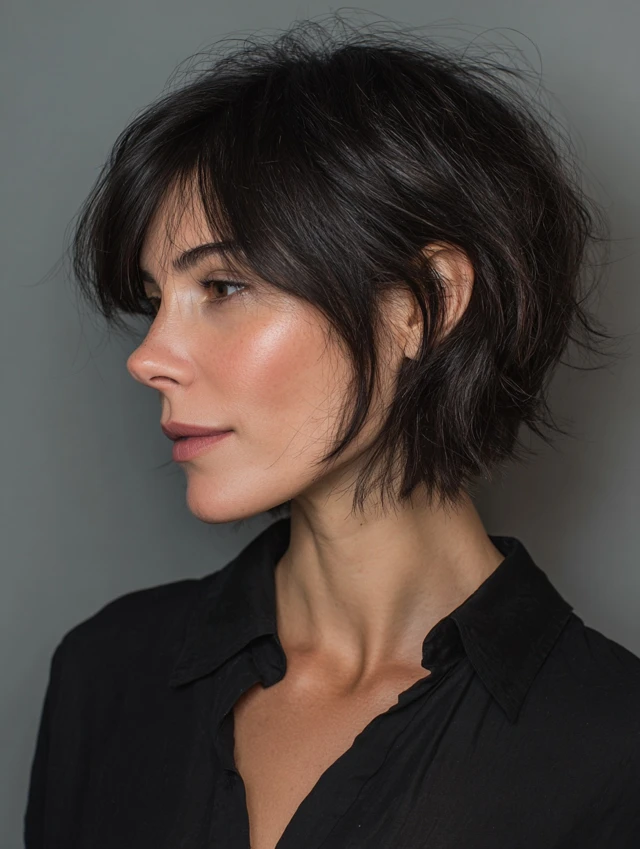
The short wolf cut — shaggy layers, curtain fringe, lots of crown volume — is grow-out-friendly because chaos is the point. As layers lengthen, the wolf simply becomes shaggier and cooler, transitioning naturally into the medium wolf cut trending through 2026. The curtain fringe grows into face-framing layers with zero awkwardness. This is the highest-style-per-trim cut on the list.
Best for: Wavy to curly textures, bold style lovers. Pro tip: Layer-refresh trims every ten weeks keep the wolf from going full mullet during grow-out.
15. Tapered Natural Cut
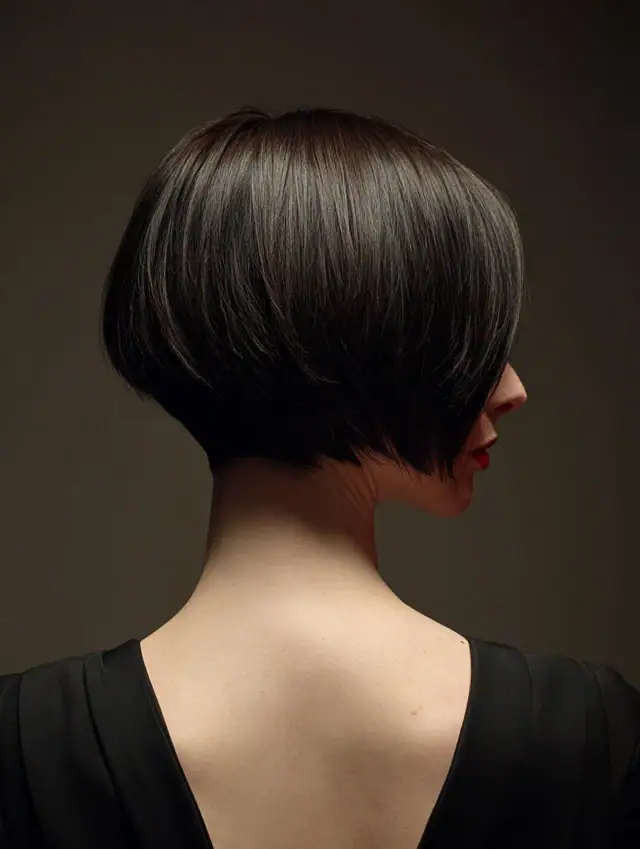
For natural type 4 hair, a tapered cut with a longer crown grows out into a stunning rounded afro shape — the taper guides the growth into a deliberate silhouette rather than an undefined one. Picking and shaping during grow-out sculpts the emerging form. Shape-ups every six to eight weeks keep the taper clean while the crown gains the length for twist-outs, puffs, and eventually a full rounded style.
Best for: Type 4 natural hair. Pro tip: Moisture is the grow-out priority — dry natural hair breaks at the same rate it grows, stalling progress.
16. The French Bob Grow-Out
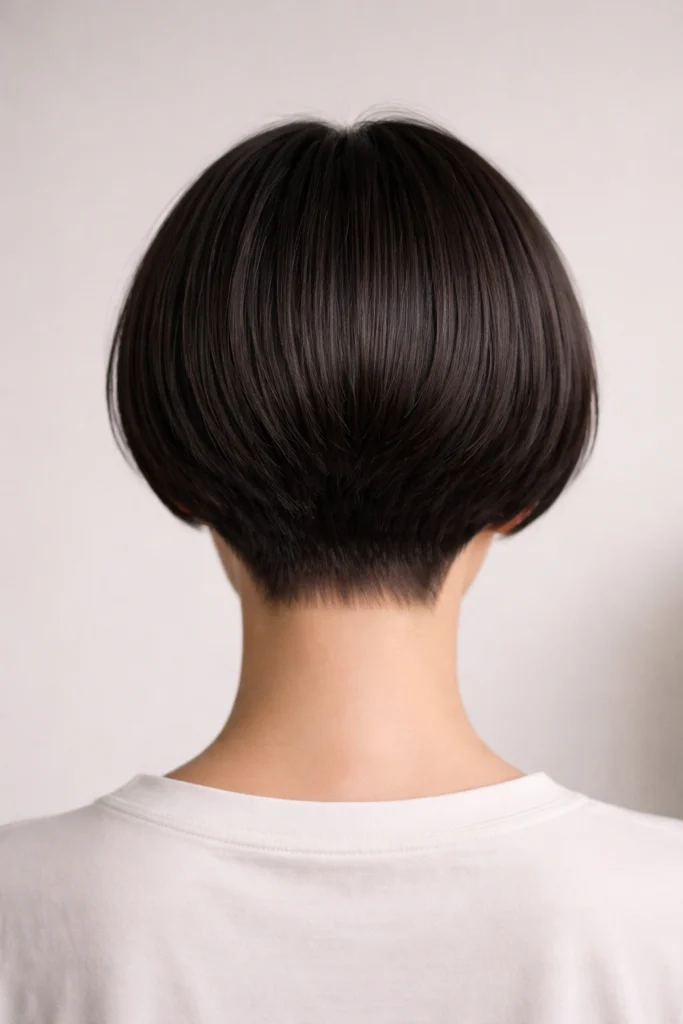
The French bob — chin-length, slightly flipped ends, often with a wispy fringe — grows out into the most romantic in-between lengths. The signature flipped ends keep the growing shape bouncy rather than limp, and the fringe softens into curtain bangs naturally. Because the aesthetic is “effortless,” imperfect grow-out actually suits it. Tuck one side behind the ear during the awkward weeks for instant polish.
Best for: Fine to medium hair, Parisian aesthetic lovers. Pro tip: A large round brush flicked outward at the ends recreates the signature flip in two minutes.
Going short doesn’t have to mean signing up for months of awkward grow-out. Choose a cut with built-in evolution — soft perimeters, strategic length, texture that forgives — and tell your stylist your long-term goal from day one. With shape trims instead of full cuts and a little styling know-how, every stage of the grow-out becomes a style worth wearing.