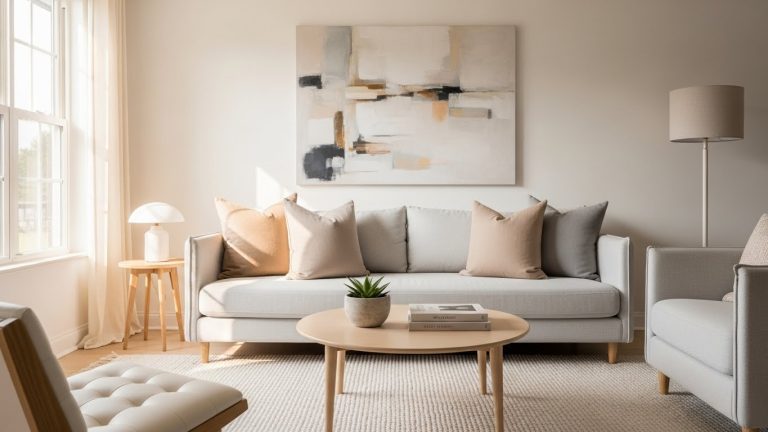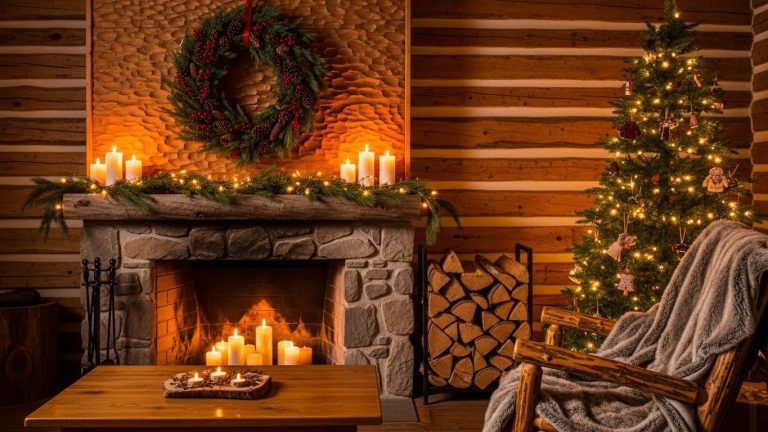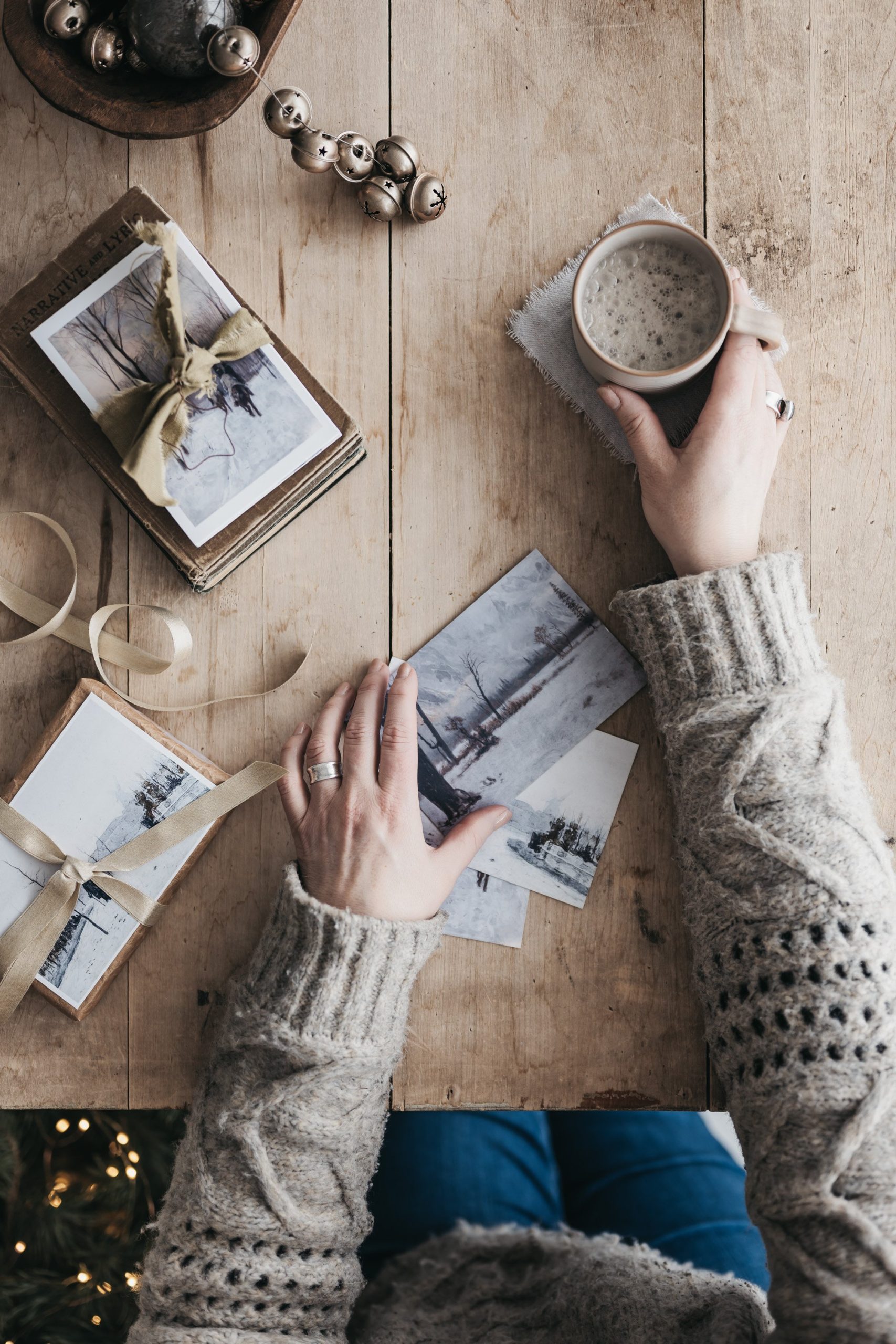
The first cold morning always feels special. The air feels quiet. Colors feel softer. That feeling inspired my first Winter mood board. It was not about trends. It was about mood, comfort, and calm visuals that matched the season.


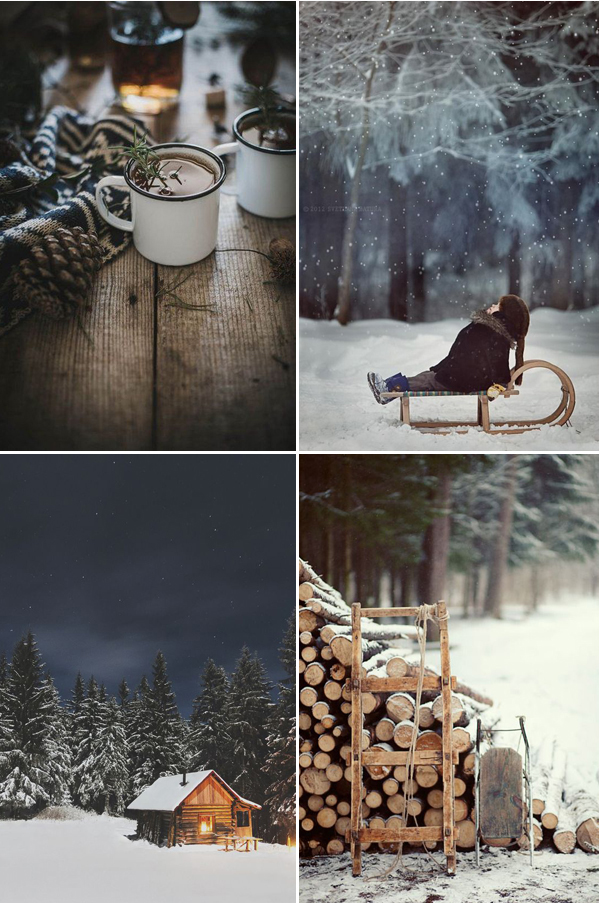
A winter mood board helps you see winter before you decorate, dress, or design anything. It turns ideas into a clear visual story.
What Is a Winter Mood Board and Why It Matters
A winter mood board is a visual plan. It collects colors, textures, images, and feelings linked to winter. Designers use mood boards to stay focused and creative.


According to Pinterest Trends, winter boards help people plan decor, fashion, and lifestyle choices early. This clarity saves time and avoids confusion later. That is why a Winter mood board works for homes, outfits, and creative projects.
Choosing the Right Color Palette for Winter
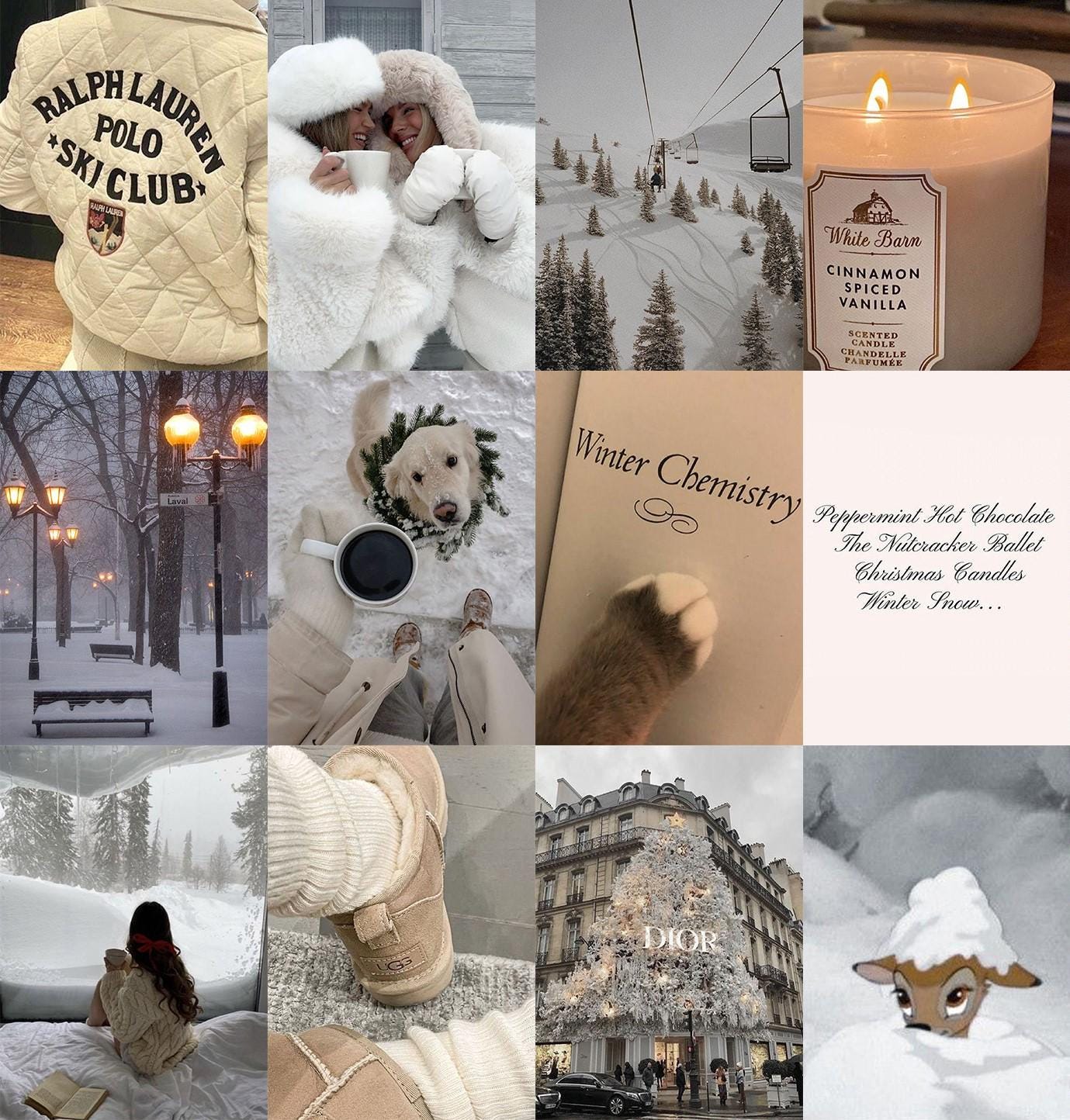
Winter colors feel calm and grounded. Soft whites, warm beige, muted gray, and cool blue lead winter palettes.


These colors reflect winter light instead of fighting it. Design experts from Elle Decor suggest using low-contrast tones in winter visuals. These choices shape a strong Winter mood board foundation.
Textures That Define Winter Mood Boards
Winter feels rich because of texture. Smooth images feel cold. Textured visuals feel warm.


Wool, knit, wood, linen, and stone add depth. According to Architectural Digest, texture creates emotional warmth without color overload. Texture gives life to a Winter mood board.
Images That Set the Winter Mood
Images guide emotion. Winter images often show soft light, quiet scenes, and natural elements.


Snow, fog, bare trees, and warm indoor corners work well. Avoid busy visuals. That visual calm defines a true Winter mood board.
Adding Lifestyle Elements to Your Board
Mood boards feel stronger when they show life. Add tea cups, books, candles, winter outfits, or slow mornings.
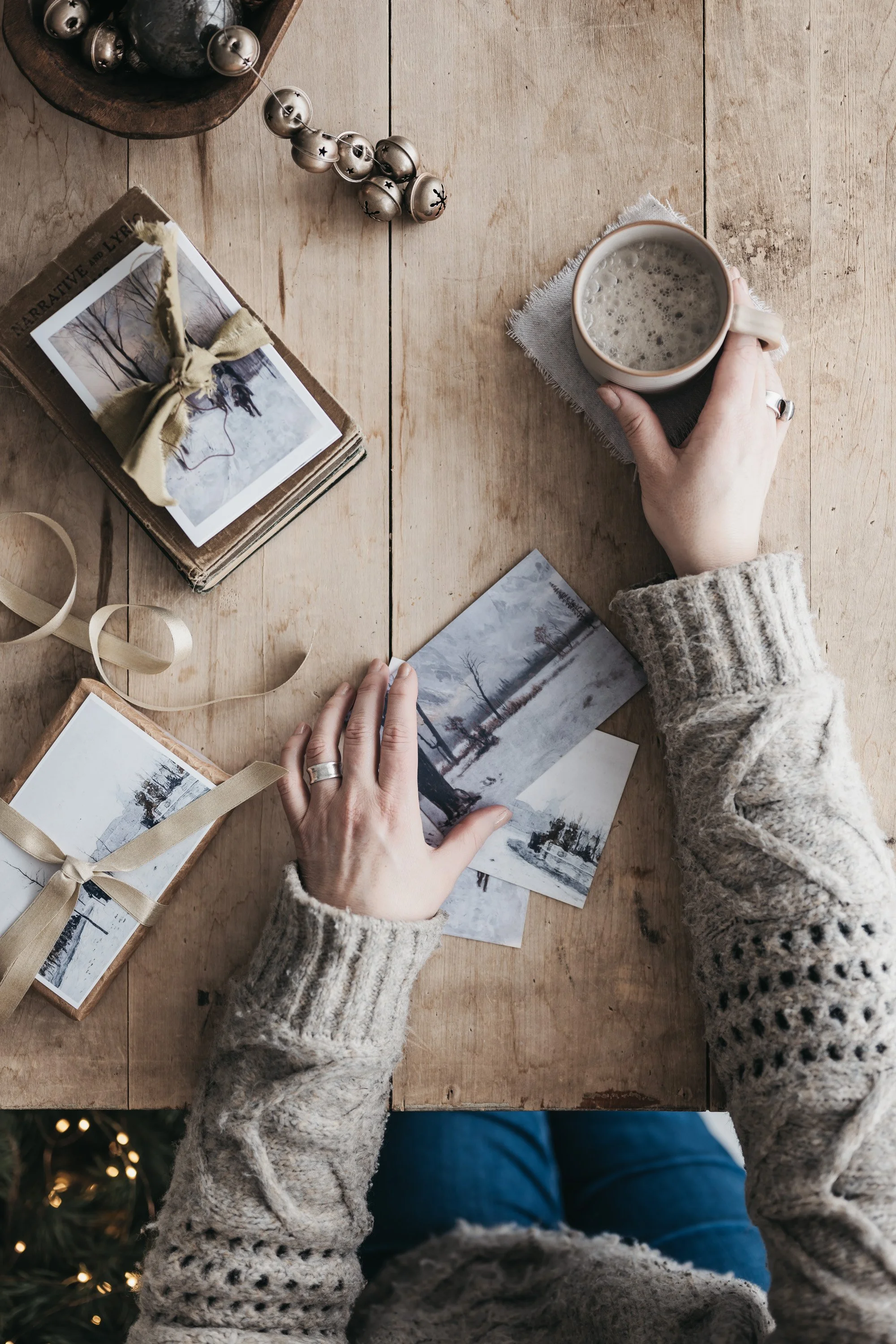


Lifestyle visuals help users imagine themselves inside the season. That emotional connection strengthens a Winter mood board.
Digital vs Physical Winter Mood Boards
Digital boards work well for speed. Tools like Pinterest and Canva help organize ideas fast.

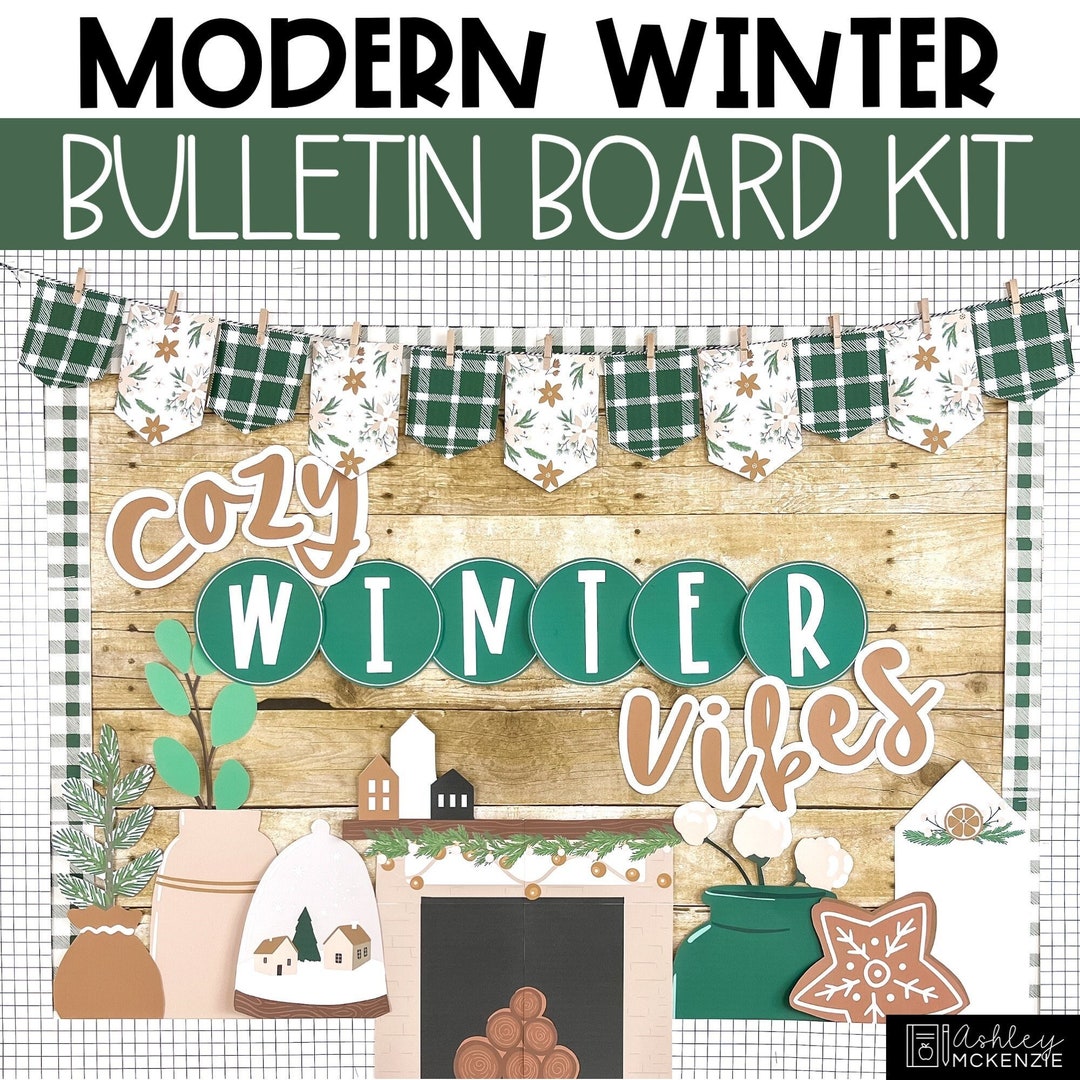
Physical boards feel more personal and tactile. Design professionals often start digital, then refine physically. The goal of a Winter mood board is clarity, not perfection.
Common Winter Mood Board Mistakes
Too many colors break the mood. Mixed seasons confuse the theme.

Experts suggest limiting boards to one clear emotion. Avoiding mistakes keeps a Winter mood board focused and effective.
How to Use Your Winter Mood Board in Real Life
Once ready, apply it. Use the palette for home decor. Use textures for outfits.


Designers treat mood boards as guides, not rules. That practical use completes the purpose of a Winter mood board.
Final Thoughts From Creative Experience
I have built mood boards for homes, content, and brands. Winter boards always slow people down.
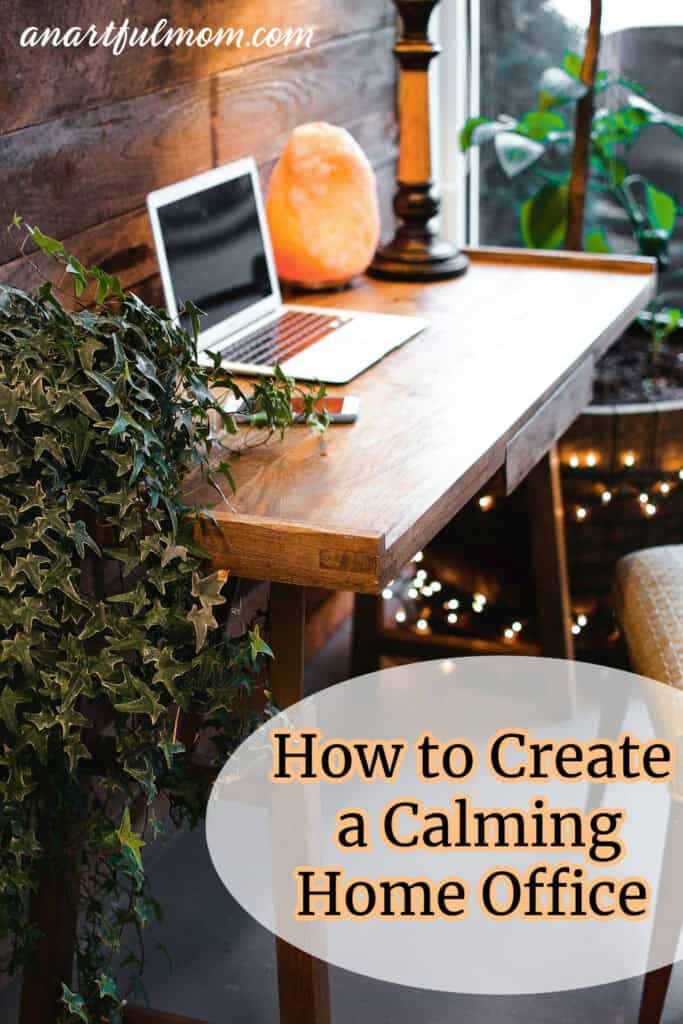
They bring focus and calm. That quiet focus is the real power of a Winter mood board.
FAQs Winter Mood Board
What is a winter mood board?
A winter mood board is a collection of images, colors, textures, and ideas that show how winter should feel. It helps you plan decor, fashion, or creative work with a clear seasonal mood.
Why should I create a winter mood board?
A winter mood board helps you stay focused and avoid random choices. It saves time and makes your winter designs or plans feel calm, balanced, and connected.
Which colors work best for a winter mood board?
Soft neutrals like white, beige, gray, and muted blue work best. These colors match winter light and create a peaceful, cozy feeling.
Can beginners create a winter mood board?
Yes. Anyone can create one. You only need a few images, a simple color palette, and a clear feeling you want to show, like cozy or calm.
Should a winter mood board be digital or physical?
Both work well. Digital boards are fast and easy to update. Physical boards feel more personal and creative. Choose the one that fits your style.
What kind of images should I add to a winter mood board?
Choose calm winter scenes, soft lighting, cozy interiors, natural textures, and lifestyle moments. Avoid bright or busy images.
How many elements should a winter mood board include?
Keep it simple. Around 10 to 20 images or elements are enough. Too many items can break the winter mood.