
One winter evening, I came home after a long day. The air outside felt sharp. Inside, the room looked fine, but it felt cold. Not just in temperature, emotionally too. I turned on a lamp, wrapped myself in a throw, and made tea. Slowly, the space felt alive again.
Design experts at Architectural Digest often say warmth comes from layers, not luxury. That idea inspired this guide on Warm home essentials, where comfort builds from simple, thoughtful choices.

Why Warmth Matters More Than Decoration
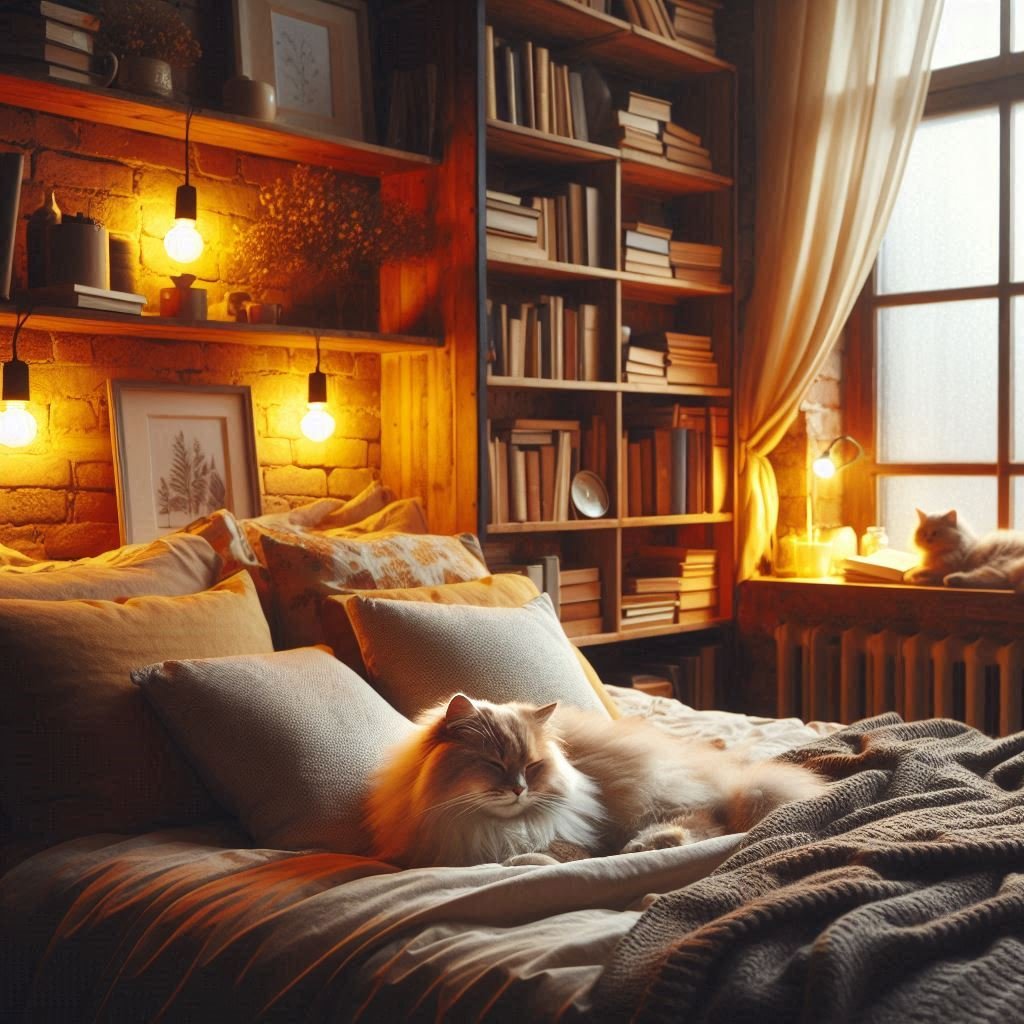
A home can look stylish and still feel cold. Warmth changes how people relax, talk, and rest. In winter, emotional comfort matters as much as physical heat. Real Simple explains that warm homes reduce stress and improve mood during cold seasons. Soft light, cozy textures, and calm colors work together.
This foundation defines Warm Home Essentials, where feeling matters more than appearance.
Soft Lighting That Instantly Warms a Space
Lighting sets the tone of a room. Bright overhead lights feel harsh in winter. Lamps feel gentle and inviting.Use table lamps, floor lamps, and warm bulbs. Place the light at eye level. Let corners stay soft. Candles add extra warmth when used safely.
Designers agree that lighting shapes emotion. This glow anchors Warm home essentials without adding clutter.


Cozy Textiles You Should Always Have in Winter
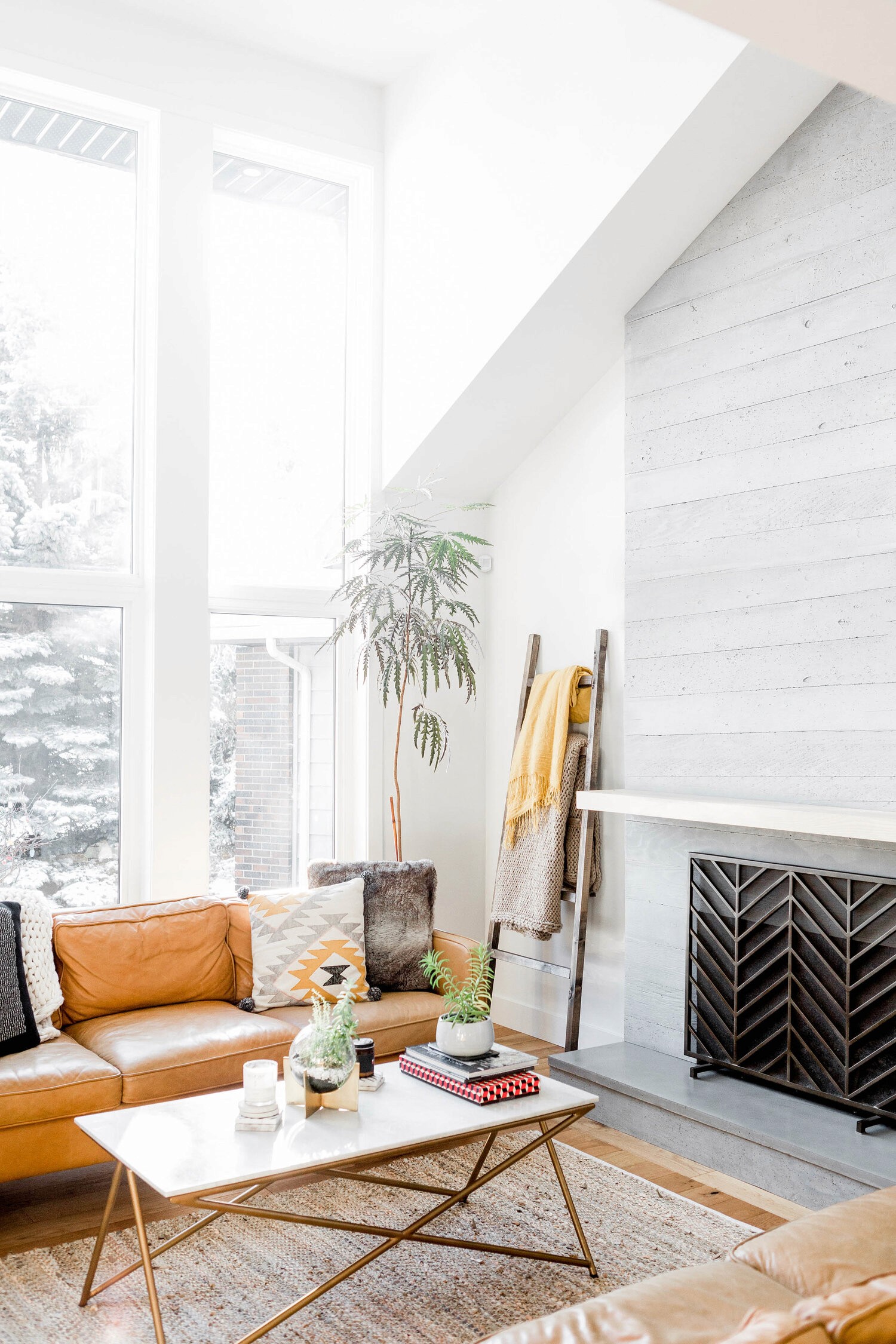
Fabric brings instant comfort. Throws, blankets, cushions, and rugs hold warmth and soften rooms.Choose wool, fleece, knit, or cotton. Layer a throw on the sofa. Add cushions in similar tones. Place a rug under seating areas.
Better Homes & Gardens highlights textiles as winter must-haves. These pieces form the core of Warm Home Essentials.
Warm Colors That Make a Home Feel Safe
Color affects mood. Warm neutrals work best in winter. Beige. Cream. Soft brown. Muted gray. Earth tones. Avoid sharp whites or cold blues. Use darker shades only as accents. Let colors flow naturally from room to room.
This palette supports Warm home essentials by creating calm without heaviness.


Natural Materials That Add Quiet Warmth
Nature brings balance indoors. Wood, clay, stone, and woven textures feel grounding during winter. Nordic design principles often focus on natural materials to soften interiors. A wooden tray. A ceramic mug. A woven basket.
These details strengthen Warm home essentials while keeping decor simple.


Creating Small Cozy Zones Around the House
Warm homes don’t rely on one big space. They grow through small moments. A reading chair. A bedside table. A window seat. Add a lamp. A blanket. A cushion. Keep the rest calm. These zones invite pause and comfort.
Interior stylists say focused cozy areas increase relaxation. This approach completes Warm home essentials.
Scent and Sound as Hidden Warmth Layers
Warmth goes beyond what you see. Scent and sound matter. Light candles with soft scents. Brew tea or coffee. Play calm music. Experts note that sensory details create emotional comfort. Avoid strong smells. Keep everything subtle.
These unseen layers deepen Warm home essentials naturally.

What to Remove to Keep Warmth Balanced
Too many items block warmth. Clutter steals calm. Remove decor that feels loud or unused.Ask one question: does this item add comfort? If not, let it go. Open space allows warmth to breathe.
This editing step defines Warm home essentials with intention.


How Warm Homes Support Everyday Well-Being
Warm homes slow life down. Conversations last longer. Silence feels peaceful. Evenings feel softer.Psychologists note that cozy environments improve emotional safety. That comfort helps people rest better.This emotional benefit gives meaning to Warm home essentials, a home that supports you through winter.


Building Warmth One Simple Choice at a Time
You don’t need a full makeover. Start small. One lamp. One throw. One cozy corner. Over time, warmth builds naturally. The home begins to feel like a shelter, not just a space.That journey completes Warm home essentials, where comfort grows step by step.

FAQs Warm Home Essentials
What are warm home essentials?
They are simple items that make a home feel cozy, comfortable, and inviting during cold weather.
How can I make my home feel warmer in winter?
Use soft lighting, cozy textiles, warm colors, and natural materials.
What lighting works best for a warm home?
Table lamps, floor lamps, and warm bulbs work better than bright ceiling lights.
Which fabrics help keep a home cozy?
Wool, fleece, knit, cotton throws, cushions, and rugs add warmth and comfort.
What colors create a warm home feeling?
Beige, cream, soft brown, muted gray, and earth tones work best.
Are natural materials important for warmth?
Yes. Wood, clay, and woven textures make spaces feel grounded and calm.
How can small spaces feel warm and cozy?
Create small cozy zones with a lamp, blanket, and comfortable seating.

