Every day starts at the wardrobe. A rushed morning often comes from cluttered clothes and missing items. Wardrobe organization helps remove that stress. It creates clarity, saves time, and brings calm into daily life.


This guide shares simple, expert-backed steps to organize your wardrobe in a way that feels easy and realistic.
What Is Wardrobe Organization?
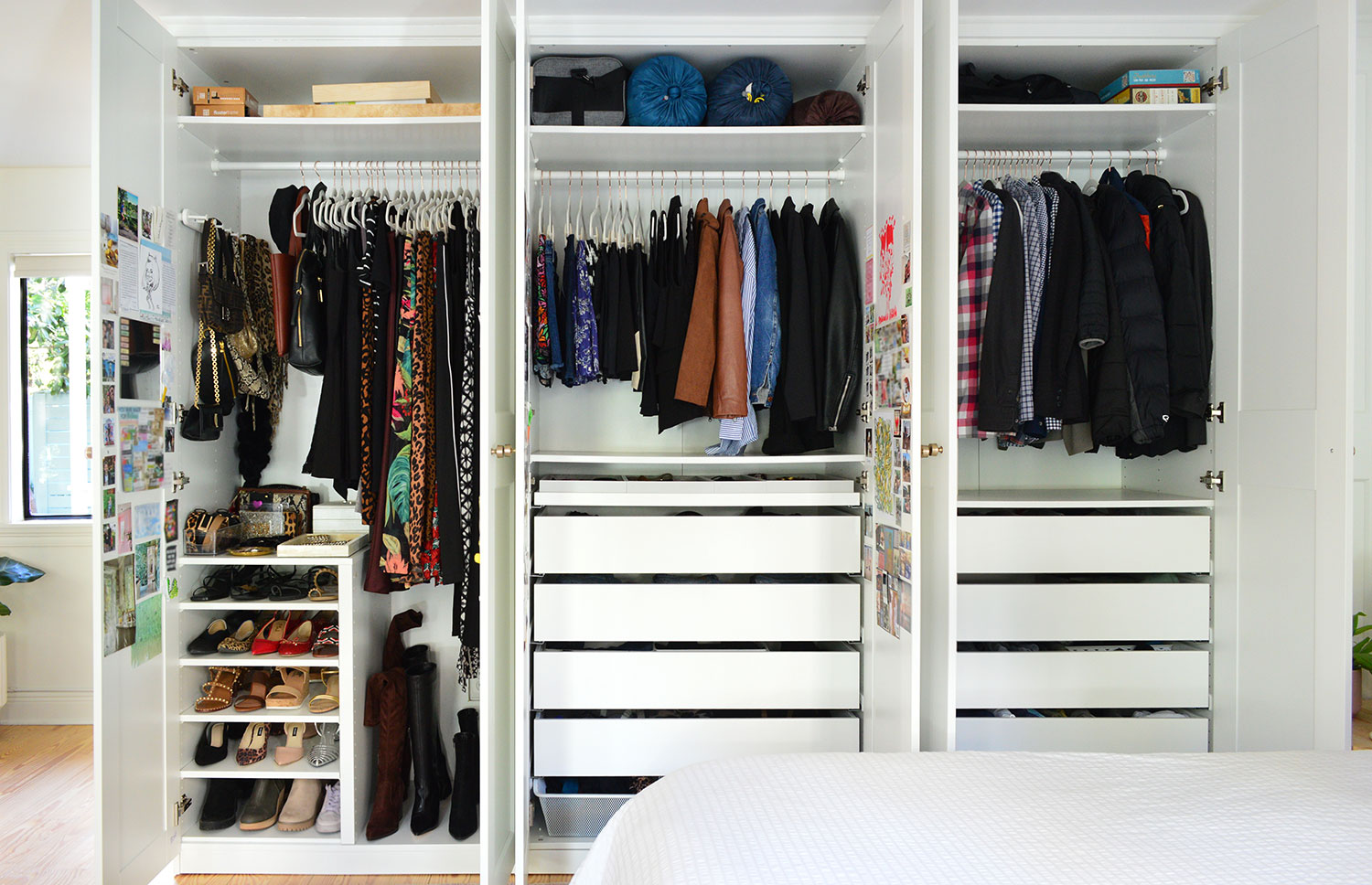
Wardrobe organization means arranging clothes, shoes, and accessories so everything has a clear place. Designers focus on visibility, access, and balance. According to Architectural Digest and Elle Decor, an organized wardrobe supports better routines and reduces daily stress.


It is not about perfection. It is about ease.
Start by Decluttering First
Before organizing, remove what you no longer use. Keep clothes you wear often and love. Interior experts at The Spruce recommend decluttering before buying organizers.
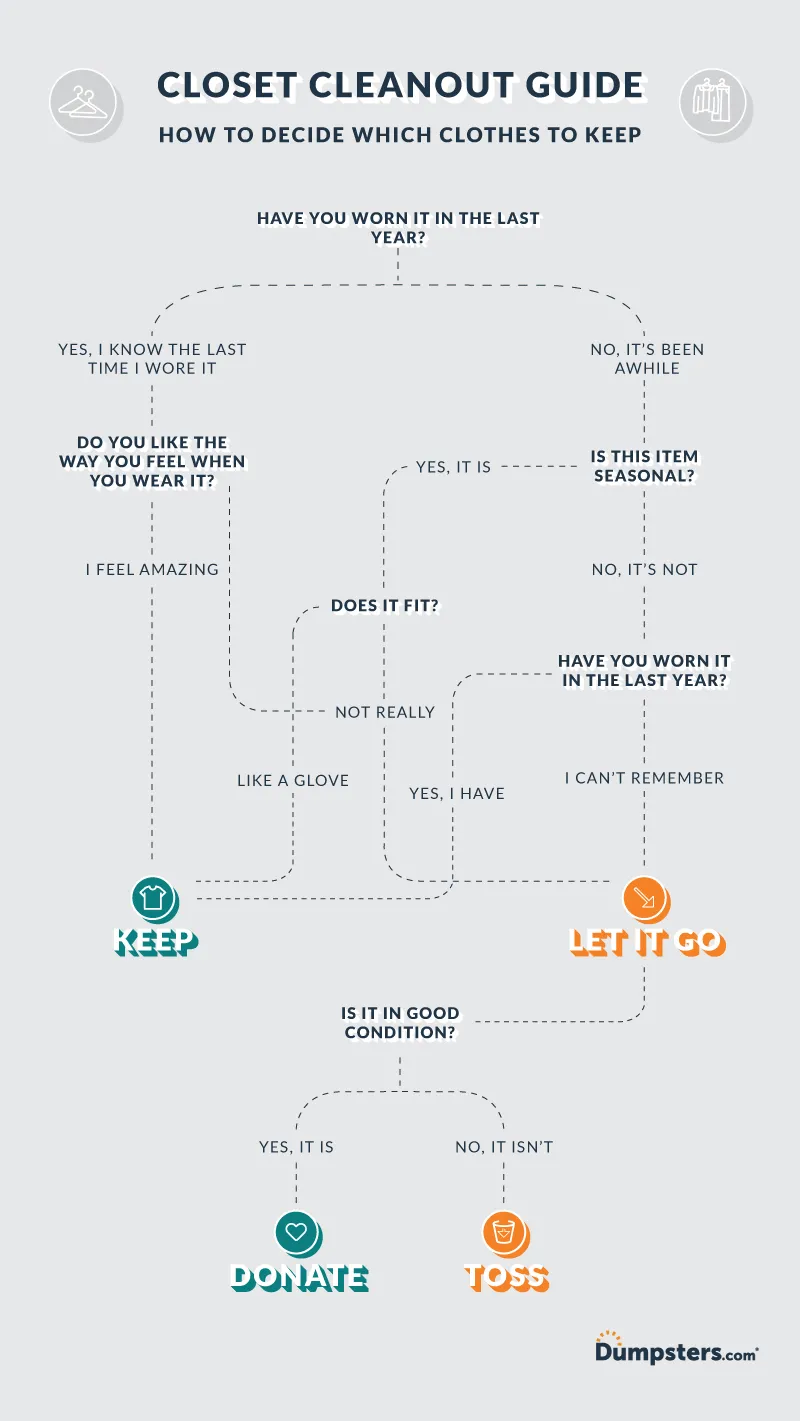
Less clothing makes Wardrobe organization easier and faster.
Sort Clothes by Category
Group similar items together. Shirts with shirts. Pants with pants. Dresses, jackets, and home wear in separate sections. Professional organizers agree that category-based sorting improves visibility.
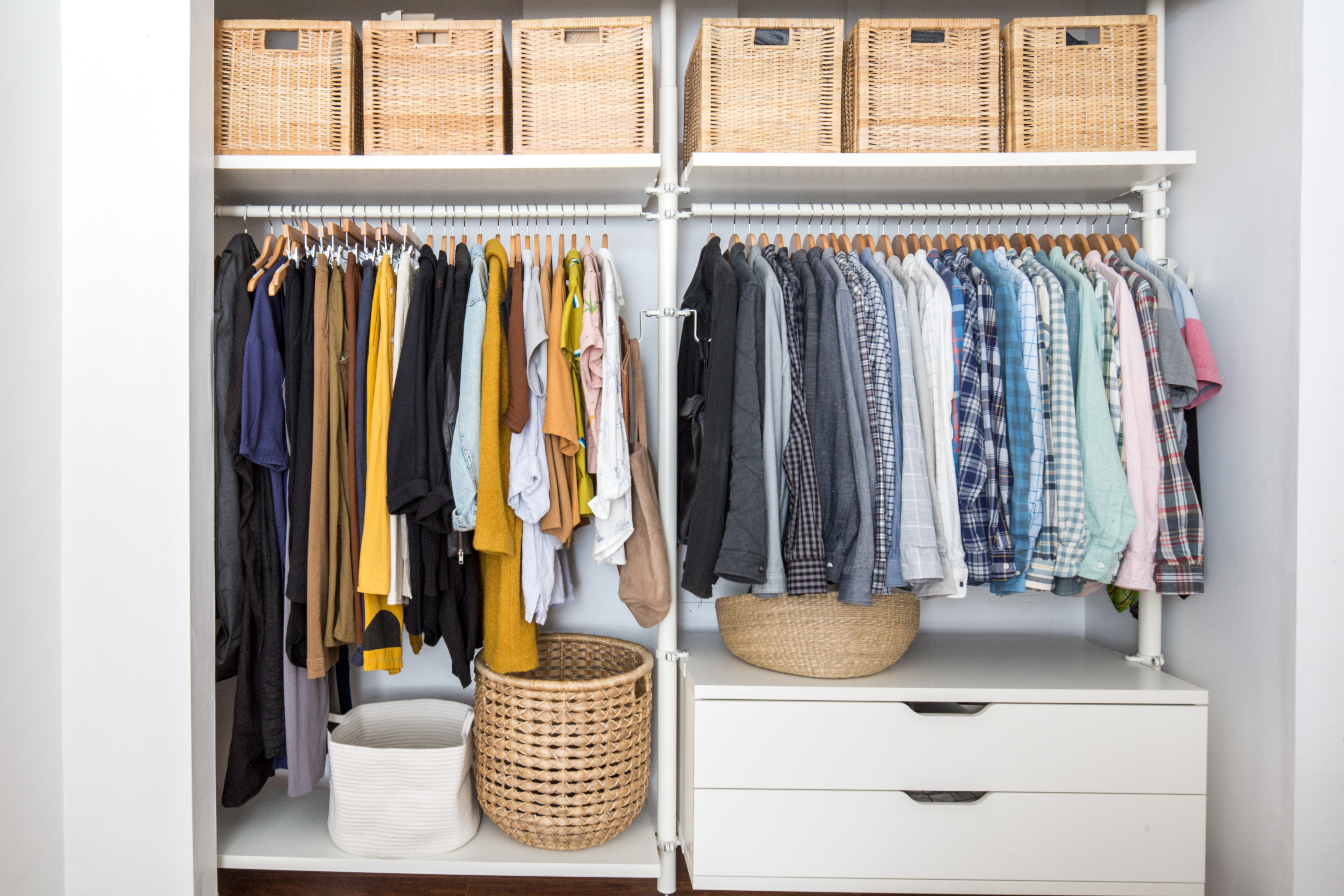


This step saves time every morning.
Use Space Smartly Inside the Wardrobe
Vertical space often goes unused. Add shelves, hanging rods, or stackable bins. Designers featured on Houzz suggest using every level of the wardrobe efficiently.


Smart storage keeps the wardrobe breathable.
Fold and Hang the Right Way
Not every item should hang. Fold sweaters, jeans, and home clothes. Hang shirts, dresses, and coats. Clothing care specialists agree that proper folding protects fabric shape.


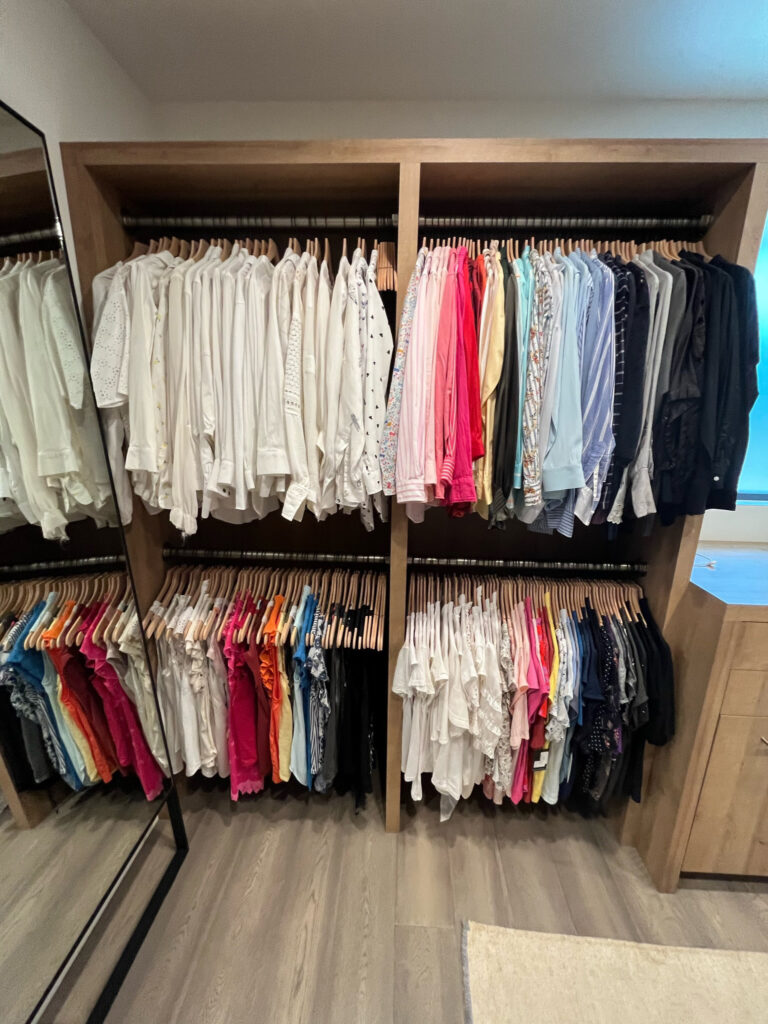
Correct methods improve Wardrobe organization long-term.
Use Matching Hangers
Matching hangers create visual calm. They save space and keep clothes aligned. Designers from House Beautiful often highlight this simple trick.
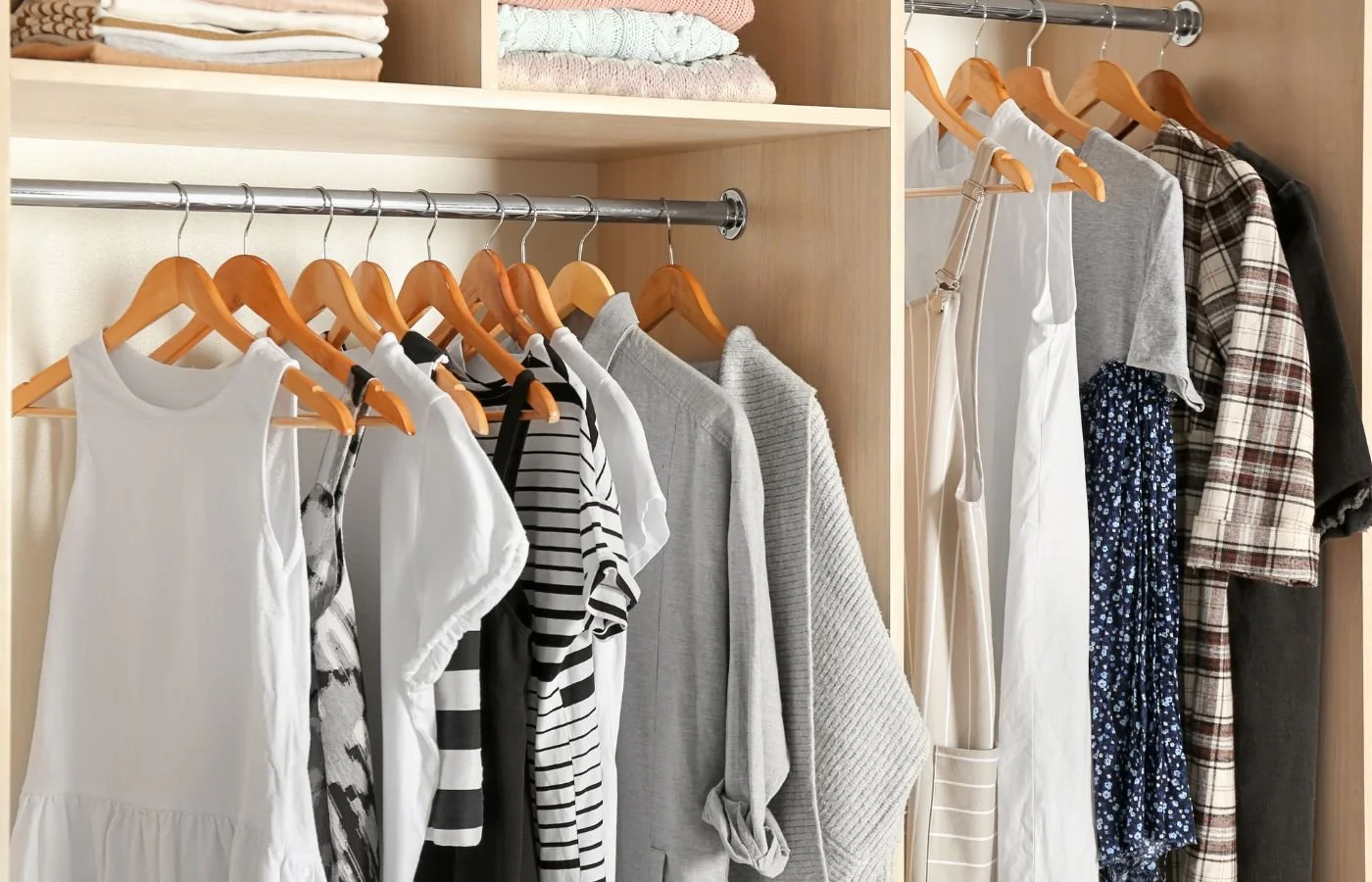
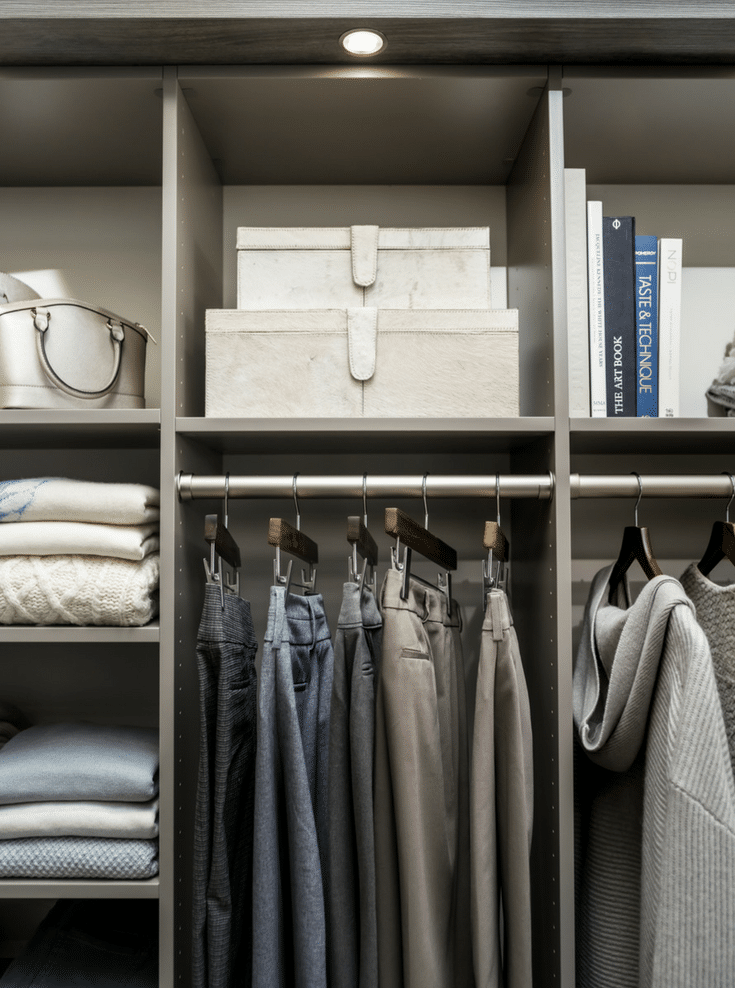
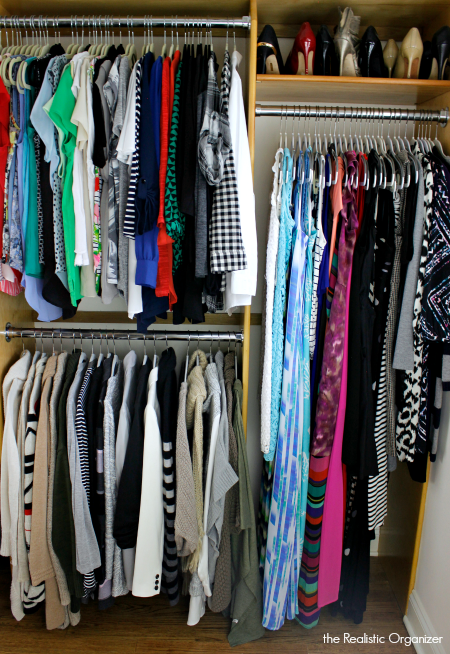
Small details make a big difference
Organize Accessories Separately
Accessories need clear homes. Use drawers, boxes, or small organizers for belts, scarves, and jewelry. Interior stylists say separated storage prevents damage and clutter.

This step completes Wardrobe organization.
Keep Shoes and Bags Visible
Store shoes where you can see them. Use racks or clear boxes. Bags should stand upright or hang safely. Scandinavian-inspired closets featured by Dezeen focus on visibility and airflow.


Visible items get used more often.
Wardrobe Organization for Daily Ease
An organized wardrobe saves time and mental energy. You choose faster. You stress less. Wellness-focused designers connect organized spaces with better focus. This idea aligns with principles shared by Terrapin Bright Green.
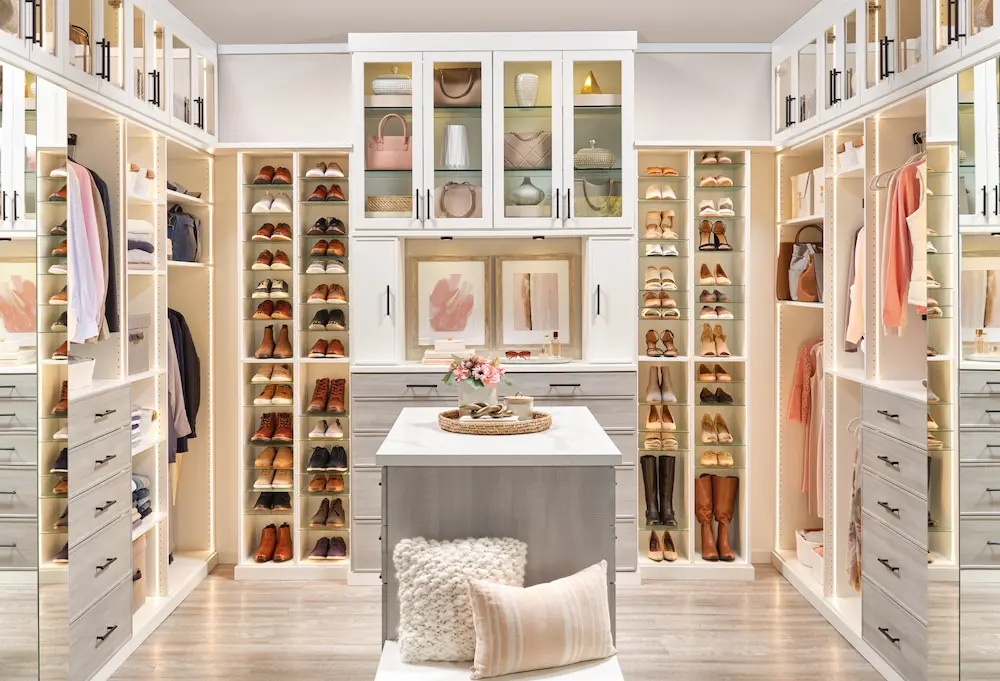

Order supports calm mornings.
Conclusion: Build a Wardrobe That Works for You
You do not need a large closet to stay organized. With simple steps and intention, Wardrobe organization can change how your day starts. Keep it clean. Keep it practical. Let your wardrobe support your life, not slow it down.


A calm wardrobe creates calm days.
FAQs Wardrobe Organization
What is wardrobe organization?
Wardrobe organization means arranging clothes, shoes, and accessories so everything has a clear place. It helps save time and reduces daily stress.
How do I start organizing my wardrobe?
Start by removing clothes you do not wear anymore. Decluttering first makes organizing faster and easier.
Should I organize clothes by color or by type?
Organizing by type works best. Group shirts, pants, dresses, and jackets together. You can then arrange colors inside each group.
How often should I organize my wardrobe?
You should review your wardrobe every few months. Small adjustments help keep it clean and manageable.
Is wardrobe organization useful for small closets?
Yes. Smart storage and decluttering help small wardrobes feel more open and functional.
What items should be folded instead of hung?
Fold sweaters, jeans, t-shirts, and home wear. Hang shirts, dresses, coats, and jackets to keep their shape.