An empty staircase can be one of the most overlooked areas in a home.
The walls may look beautiful, yet the space underneath the stairs often becomes a place for shoes, boxes, or things nobody knows where to store.
But imagine walking down the stairs each morning and seeing lush green leaves, natural textures, and soft sunlight instead.
That is exactly what happened in a friend’s home. The area beneath her staircase had stayed empty for years. We added a few tall plants, small pots, warm lighting, and a simple wooden shelf. The dark corner suddenly became one of the most attractive parts of the house.
The idea is simple: use an overlooked area to bring nature indoors.
The best Indoor Staircase Gardens combine plants, smart design, and practical maintenance. You don’t need a huge staircase or a large budget. Even a small corner can become a beautiful green retreat.

1. Create a Small Garden Under the Stairs
The area beneath a staircase can become an unexpected focal point. A small garden under stairs works especially well when the space has access to natural light.
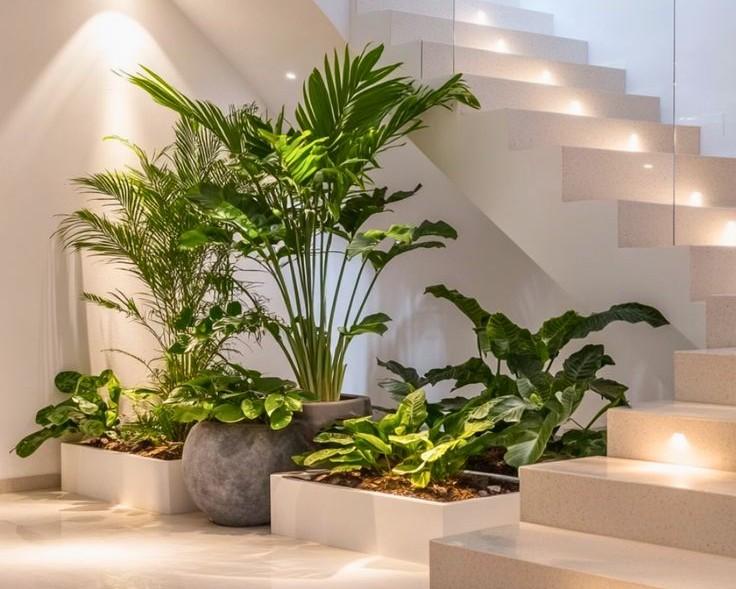
Start with a few plants that match the available space. Use taller plants toward the back and smaller pots near the front. This creates different levels and makes the garden look fuller without overcrowding it.
Add pebbles, natural wood, or a simple planter box to create a more finished appearance. If the area feels dark, use warm LED accent lighting to highlight the foliage.
I once saw a narrow staircase transformed using just three plants and a layer of decorative stones. The result looked intentional rather than cluttered.
The key is restraint. Choose plants that suit the space instead of filling every empty inch.
Key Points
- Uses forgotten space
- Works in small homes
- Adds natural beauty
- Easy to customize
- Creates a focal point

2. Choose the Right Stair Plants
Not every plant works well beside a staircase. Some need bright sunlight, while others tolerate low-light conditions. Before choosing your greenery, study how much natural light reaches the area during the day.
Snake plants, pothos, ZZ plants, and certain ferns can work well in suitable indoor conditions. Their different leaf shapes also create visual variety.
If your staircase receives strong sunlight, you can explore plants with higher light needs. For darker spaces, choose species known for tolerating lower light rather than forcing sun-loving plants to survive there.
I personally recommend starting with just two or three varieties. Once you understand the light and watering needs of your space, you can expand the collection.
Remember that plant care matters more than simply choosing attractive foliage.
Key Points
- Match plants to light
- Consider watering needs
- Mix leaf shapes
- Avoid overcrowding
- Choose manageable varieties

3. Turn the Space into an Under-Stairs Garden
An under stairs garden indoor design can become much more than a collection of pots. With thoughtful planning, the area can feel like a miniature indoor landscape.
Use a combination of floor plants, raised planters, decorative stones, and wooden elements. Vary the heights of your plants so the eye naturally moves through the display.
A narrow planter running along the wall can create a clean modern appearance. If you prefer a more natural look, group individual pots together and mix different leaf shapes.
One homeowner created a beautiful tropical-inspired corner beneath her floating staircase. Large green leaves, warm wood, and soft lighting made the space feel like a tiny indoor jungle.
The best part was that the garden required very little furniture. The plants themselves became the decoration.
Key Points
- Creates a natural focal point
- Adds texture
- Works with modern interiors
- Can use vertical space
- Makes unused areas attractive

4. Add Plants Along the Staircase
If the space underneath your staircase is limited, look upward. The staircase itself can provide opportunities for greenery.
Small planters can sit on wide stair landings, shelves, or nearby ledges where they won’t interfere with walking. Wall-mounted planters can also create a vertical garden without taking up valuable floor space.
Safety should always come first. Keep walkways completely clear and avoid placing pots where someone could trip over them. Secure wall-mounted containers properly and choose lightweight options when appropriate.
I love this approach because it brings greenery into the staircase without requiring a large garden area.
Use a consistent planter style to keep the arrangement visually calm. Ceramic, terracotta, or matte neutral planters can all work depending on your interior design.
Key Points
- Uses vertical space
- Saves floor area
- Adds greenery at different levels
- Keeps design interesting
- Safety remains essential

5. Design a Modern Stairs Garden
A modern stairs garden doesn’t need to look like a traditional garden. Clean lines, simple planters, and carefully selected plants can create a sophisticated appearance.
Choose large architectural plants such as snake plants or other suitable upright varieties. Place them inside simple black, white, concrete, or natural wood planters.
Keep the surrounding area uncluttered. A modern garden usually looks best when there are fewer elements with plenty of breathing room.
I once visited a contemporary home where the staircase featured only five identical planters. Each contained a different plant, but the matching containers created a beautifully coordinated display.
This style works particularly well with concrete stairs, glass railings, white walls, and minimalist furniture.
Key Points
- Clean appearance
- Minimalist style
- Simple planters
- Easy coordination
- Sophisticated atmosphere

6. Create a Vertical Staircase Plant Wall
When floor space feels limited, look at the walls. A vertical plant display can turn a plain staircase wall into a living feature without taking away valuable walking space.
Use wall-mounted planters, narrow plant shelves, or a vertical planter system to create different levels of greenery. Keep heavier containers securely mounted and choose plants that match the light conditions.
A simple arrangement works best. You might place three small planters at different heights and leave some wall space between them. This creates movement without making the staircase feel crowded.
I especially like vertical gardens in modern homes because they combine architecture with nature. A plain white wall suddenly feels warmer when soft green leaves break up the hard surfaces.
If you have children or pets, place plants and planters where they cannot easily become a safety hazard. Good design should always work with the way your household actually uses the space.
Key Points
- Saves floor space
- Uses vertical walls
- Creates a strong focal point
- Works well in modern homes
- Keeps the staircase visually interesting

7. Build a Natural Garden Under Floating Stairs
Floating staircases create an excellent opportunity for a dramatic under stairs garden indoor feature. Because the stairs leave more open space underneath, plants can become part of the architecture instead of simply sitting beside it.
Start with one larger floor plant as the anchor. Then add smaller plants around it to create layers. Natural stones, wooden elements, and a warm wall light can make the area feel like a small indoor landscape.
I once saw a floating staircase with a garden underneath that used only green foliage and pale river stones. There were no colorful flowers or complicated decorations. The simplicity made the staircase look incredibly elegant.
This approach works especially well with glass railings, light wood, concrete, and neutral walls. The greenery softens those harder materials and adds a natural contrast.
Key Points
- Perfect for floating stairs
- Creates architectural interest
- Adds natural texture
- Works with modern interiors
- Makes greenery part of the design

8. Use Built-In Planters for a Seamless Look
Built-in planters can make a staircase garden look like it was designed with the house from the beginning. Instead of placing individual pots around the area, create a dedicated planter along the wall or beneath the staircase.
This approach works particularly well during a renovation because the planter can connect with the staircase, flooring, and surrounding architecture.
Choose waterproof materials and make sure the design includes proper drainage or an appropriate container system. Indoor plants still need careful watering, and excess moisture can damage flooring or walls.
I love built-in planters because they create a clean appearance. There are fewer individual containers competing for attention, so the plants become the main feature.
If a permanent planter isn’t practical, you can create a similar appearance with one long decorative planter box.
Key Points
- Clean appearance
- Professional finish
- Uses awkward spaces
- Integrates plants with architecture
- Easy to style

9. Create a Cozy Low-Light Stair Garden
Many staircases sit away from large windows, which makes lighting one of the biggest challenges. The good news is that some houseplants can tolerate lower-light conditions better than others.
Snake plants, ZZ plants, pothos, and some types of ferns can work in suitable low-light environments, although every plant still has specific care requirements.
Don’t rely on plant labels alone. Observe your staircase throughout the day and determine how much natural light actually reaches the area. If the location receives very little light, supplemental grow lighting may help support plant health.
I once helped decorate a dark hallway beneath a staircase. Instead of filling it with bright artificial décor, we used a few shade-tolerant plants and warm accent lighting. The corner became much more inviting.
The goal isn’t simply to make a dark space green. It’s to create a healthy environment where the plants can thrive.
Key Points
- Works in darker areas
- Choose plants carefully
- Monitor natural light
- Consider supplemental lighting
- Focus on plant health

10. Add Stones, Wood, and Natural Textures
Plants look even more beautiful when you surround them with natural materials. Decorative stones, wood, bamboo, woven baskets, and ceramic planters can transform a simple collection of plants into a complete indoor garden.
Start with one main texture and add one or two supporting materials. For example, pale stones with natural oak planters create a light Scandinavian look. Dark stones and charcoal planters can create a more dramatic modern atmosphere.
I once saw a staircase garden designed with warm wooden panels, smooth river stones, and lush green plants. The combination made the hard staircase feel softer and more connected to nature.
Avoid adding too many decorative materials. The plants should remain the stars of the display.
Key Points
- Adds natural texture
- Creates visual depth
- Complements greenery
- Works with many styles
- Makes the garden feel complete

11. Choose Plants for Small Staircase Spaces
Not every staircase has enough room for large tropical plants. If your space is narrow, focus on compact under stairs plants that add greenery without blocking walkways.
Small pothos, snake plants, ZZ plants, compact ferns, and other suitable indoor varieties can work well when matched to the available light and humidity.
Use tall, narrow planters rather than wide containers if floor space is limited. Wall-mounted planters can also give you more flexibility.
I once worked with a homeowner who thought her staircase was too small for a garden. We used three slim planters and one hanging plant. The result was subtle but beautiful.
Measure the area before buying anything. Make sure doors can open fully, people can walk safely, and plants won’t interfere with cleaning.
A small garden doesn’t need many plants. A few well-positioned pieces often look better than a crowded collection.
Key Points
- Perfect for narrow spaces
- Keeps walkways clear
- Uses compact plants
- Easy to maintain
- Creates a polished appearance
12. Use Lighting to Highlight Your Staircase Garden
Good lighting can turn your staircase garden into a beautiful feature after sunset. It also helps the plants stand out against darker walls and flooring.
Consider warm wall sconces, recessed lighting, LED strip lights, or small spotlights directed toward the foliage. Use lighting to highlight shapes and textures rather than flooding the entire garden with brightness.
I personally prefer soft warm lighting because it creates a calm atmosphere while making green leaves look rich and vibrant.
Lighting also improves safety around stairs. Make sure steps and walking areas remain clearly visible, especially at night.
If you’re installing new electrical fixtures, work with a qualified professional and follow local electrical requirements. Decorative lighting should never compromise safety.
Key Points
- Highlights plant shapes
- Improves nighttime atmosphere
- Adds warmth
- Can improve stair visibility
- Creates a premium appearance

13. Create a Cohesive Indoor Stair Garden
The most successful Indoor Staircase Gardens feel connected to the rest of the home. The plants, planters, lighting, flooring, and staircase should work together instead of looking like separate decorations.
Look at the materials already present in your home. If you have warm oak flooring, repeat that tone in your planters. If your staircase uses black metal, consider black planters or lighting fixtures.
I once visited a home where the staircase garden looked completely separate from the living room. We replaced the mismatched pots with simple planters that matched the room’s wood and metal finishes. Suddenly, the garden looked intentional.
Think about the garden as part of the architecture rather than an extra decoration.
Key Points
- Connects with surrounding décor
- Creates visual harmony
- Looks professionally designed
- Avoids mismatched elements
- Strengthens the overall interior

14. Keep Your Staircase Plants Healthy
Beautiful staircase plants need consistent care. Before choosing a plant, understand its watering, light, humidity, and temperature needs.
Avoid watering on a fixed schedule without checking the soil. Some plants prefer the soil to dry between waterings, while others need more consistent moisture. Overwatering can cause root problems and may damage floors if water spills from pots.
Use saucers or waterproof trays beneath containers, especially on wooden or carpeted floors. Remove dead leaves regularly and rotate plants occasionally if they receive uneven light.
I recommend keeping a small watering can nearby, but don’t leave water sitting in decorative containers.
A healthy plant always looks better than a neglected collection, so start small and choose varieties you can realistically care for.
Key Points
- Check soil before watering
- Protect floors
- Remove damaged leaves
- Match plants to conditions
- Keep maintenance manageable

15. Finish Your Stair Garden with Thoughtful Styling
Once you’ve selected your plants, planters, lighting, and natural materials, step back and look at the entire staircase.
Does the garden feel crowded? Are the walkways clear? Do the planters match your interior? Does the lighting highlight the plants without creating glare?
These final questions can make the difference between a collection of plants and a professionally styled garden.
I personally like leaving some empty space around the plants. Negative space gives each plant room to stand out and keeps the staircase feeling open.
You can add one final decorative element, such as a small wooden bench, ceramic sculpture, or woven basket, but don’t let accessories compete with the greenery.
The simplest Indoor Staircase Gardens often make the strongest impression because they allow nature to remain the focus.
Key Points
- Review the complete layout
- Keep walkways clear
- Match the home’s style
- Avoid excessive decoration
- Let plants remain the focal point

Conclusion
An empty staircase doesn’t have to remain an unused corner. With the right plants, containers, lighting, and natural textures, you can transform it into one of the most memorable features in your home.
The best Indoor Staircase Gardens balance beauty with practicality. Whether you want a small garden under stairs, a collection of stair plants, an under stairs garden indoor design, or a modern arrangement of staircase plants, start by studying your available space and natural light.
Choose plants that can actually thrive in your environment. Keep walkways clear, protect your flooring from water, and avoid overcrowding the area. Then add materials such as wood, stone, ceramic, and warm lighting to connect the garden with the rest of your interior.
A staircase garden doesn’t need dozens of plants or an expensive renovation. Sometimes three carefully chosen plants can completely change how a room feels.
The result is more than decoration. It’s a small piece of nature woven into everyday life.