
You stand in an empty room. Fresh paint waits. Tiny clothes rest nearby. Excitement mixes with questions. How do you design a nursery that feels beautiful today and practical tomorrow?

Timeless design solves this challenge. Clean layouts, soft colors, and smart furniture create flexibility. Interior designers often recommend choices that adapt as your child grows. Better Homes & Gardens highlights neutral palettes and multi-use pieces for long-term value.

Start with Calm, Balanced Colors
Color shapes mood instantly. Soft white, warm beige, gentle gray, and muted pastels create peace. Bright, harsh colors overwhelm small spaces.


Experts from Sherwin-Williams explain how light-reflective tones make rooms feel larger and brighter. These shades also blend easily with changing décor. Many Baby Room Ideas begin with this safe and elegant foundation.


1. Choose a Convertible Crib
A convertible crib grows with your child. It transforms into a toddler bed later. This saves money and reduces furniture changes.


The American Academy of Pediatrics recommends safe, sturdy cribs with proper mattress fit. Safety always leads great design.
2. Add Layered Lighting
Lighting defines comfort. Combine ceiling lights, a soft night lamp, and natural daylight. Balanced light supports sleep routines and late-night care.

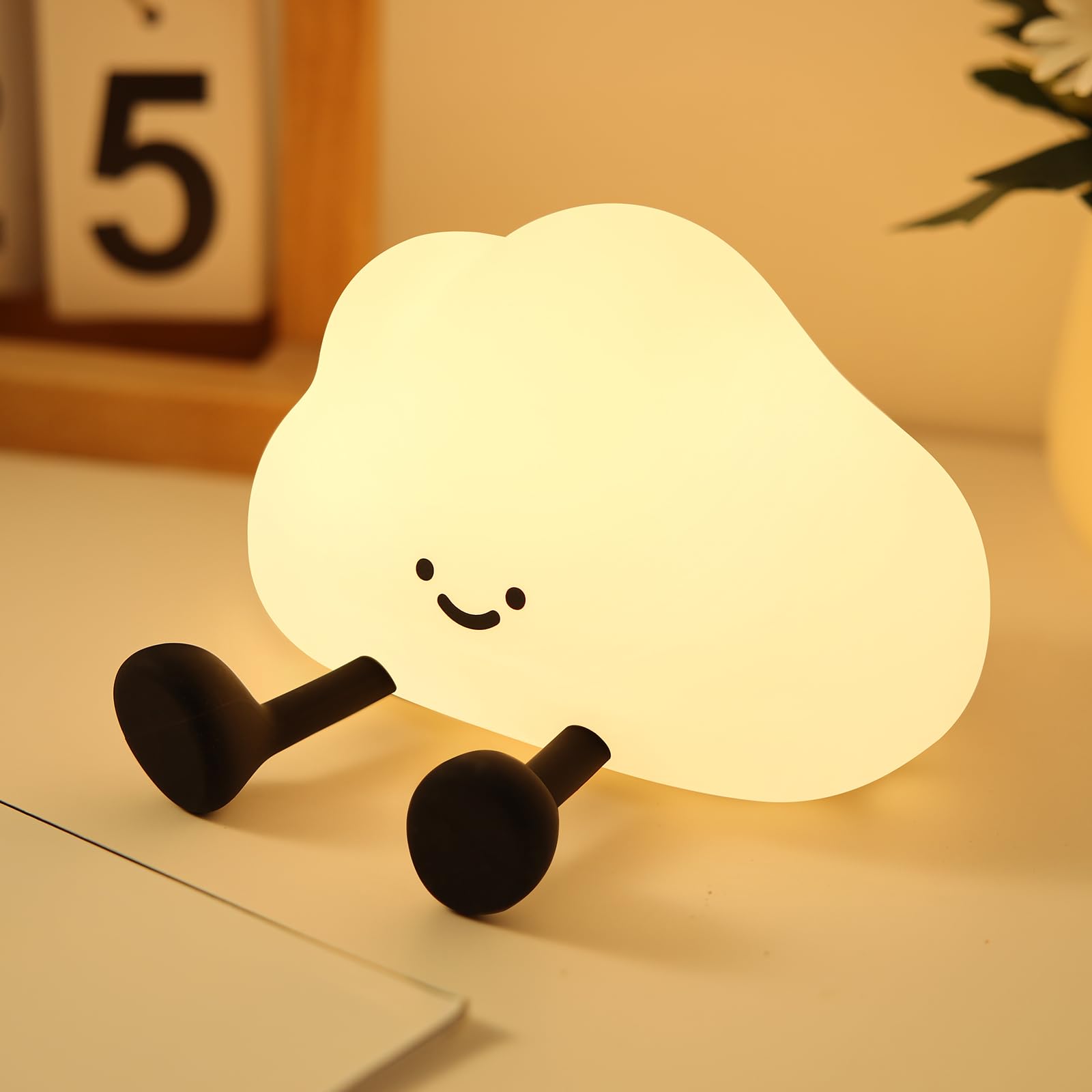

The Illuminating Engineering Society notes that warm lighting promotes relaxation. Smart lighting appears in many Baby Room Ideas for both function and mood.
3. Create Smart Storage Zones
Baby essentials multiply quickly. Diapers, blankets, clothes, toys. Without storage, clutter grows fast.
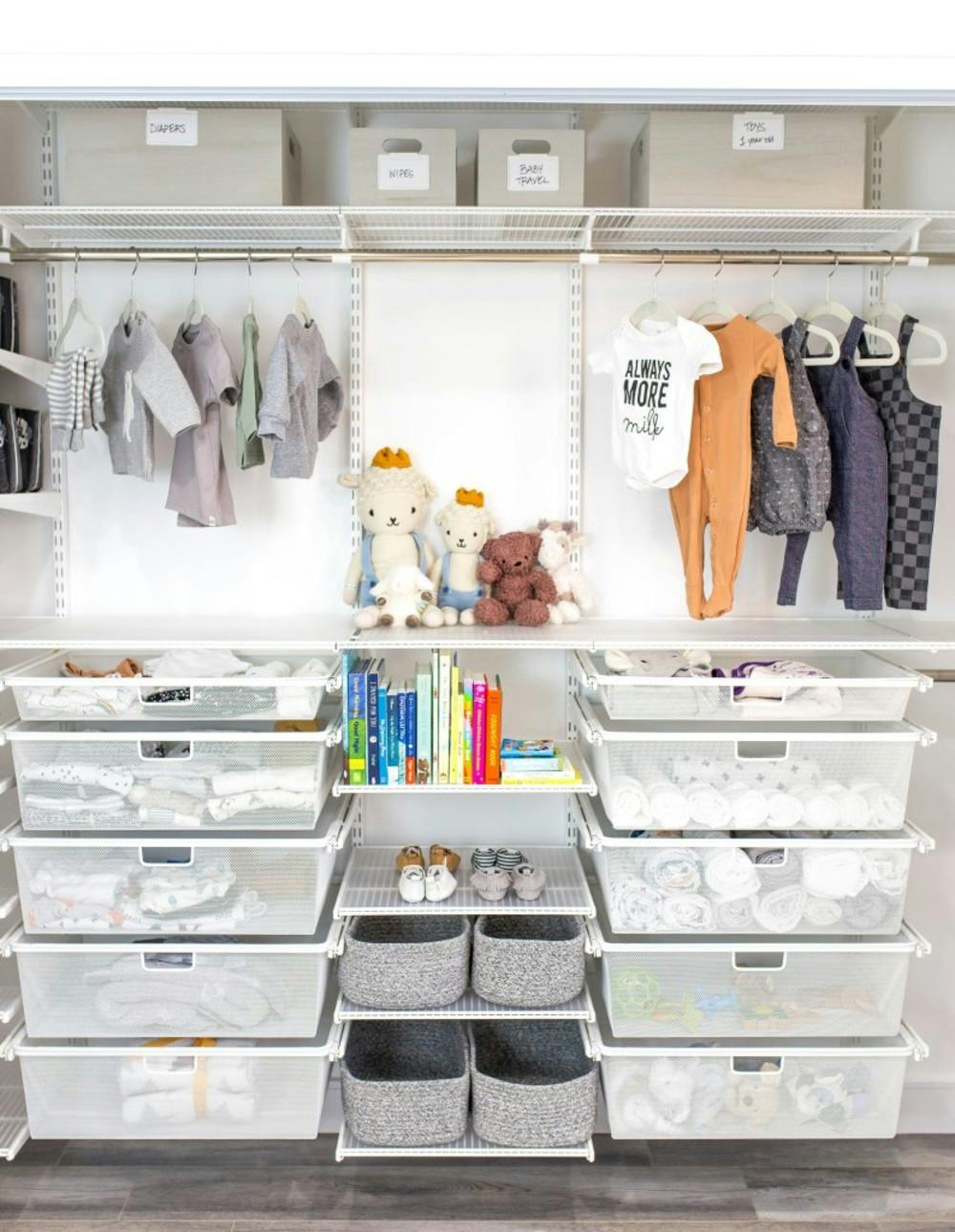


Use drawers, baskets, and vertical shelving. Group items by purpose. Professional organizers recommend zoning to simplify daily routines.
4. Keep Furniture Minimal
Too many pieces shrink the room visually. Focus on essentials. Crib. Changing station. Chair. Storage.


Minimalism improves safety and movement. Designers frequently highlight this principle in timeless Baby Room Ideas.
5. Add a Comfortable Nursing Chair
Parents spend hours feeding, soothing, and holding. A supportive chair protects posture and comfort.

Choose neutral fabric for versatility. Comfort enhances both design and daily life.
6. Use Soft Textures for Warmth
Textures add depth. Rugs, curtains, cushions, and blankets soften the space.


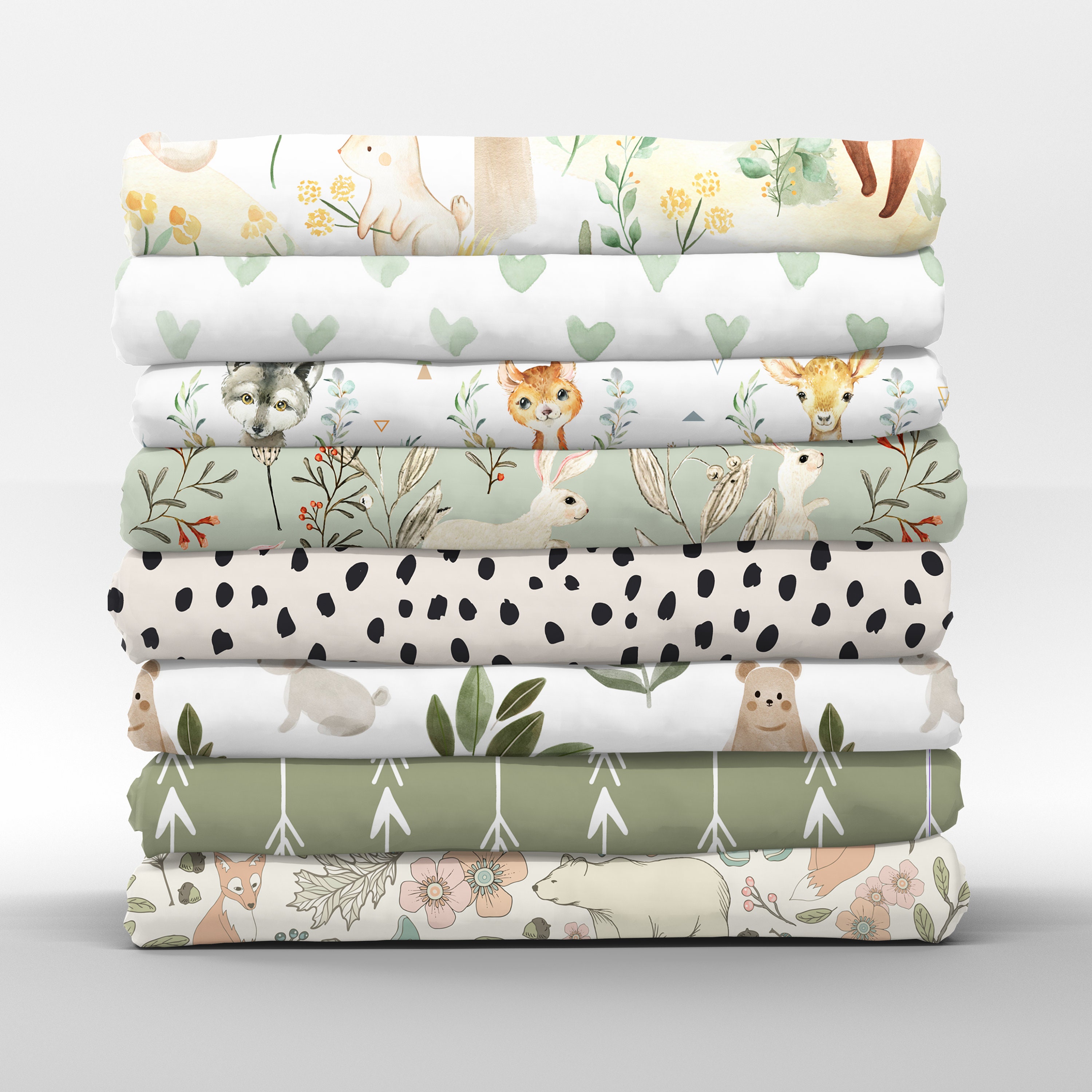
Interior stylists often include texture layering in elegant Baby Room Ideas to prevent flat visuals.
7. Design a Gentle Feature Wall
A subtle feature wall creates personality. Try wallpaper, decals, or soft patterns.


Keep patterns calm and simple. Timeless themes age better than trendy graphics.
8. Let Natural Light Lead
Natural light improves mood and rhythm. Position the crib away from direct glare but within a bright zone.


Architectural Digest often highlights daylight as a key factor in healthy interior environments.
Safety Always Comes First
Every design decision must support safety. Secure furniture to walls. Cover outlets. Avoid heavy décor above the crib.


The American Academy of Pediatrics stresses safe sleep zones, stable furniture, and clutter-free crib areas. Smart safety planning strengthens all Baby Room Ideas.
Final Thoughts: Build a Room Full of Calm and Care
A nursery should feel peaceful. It should support routines. It should grow with your family. Focus on comfort, light, storage, and simplicity. Trends fade. Good design lasts.
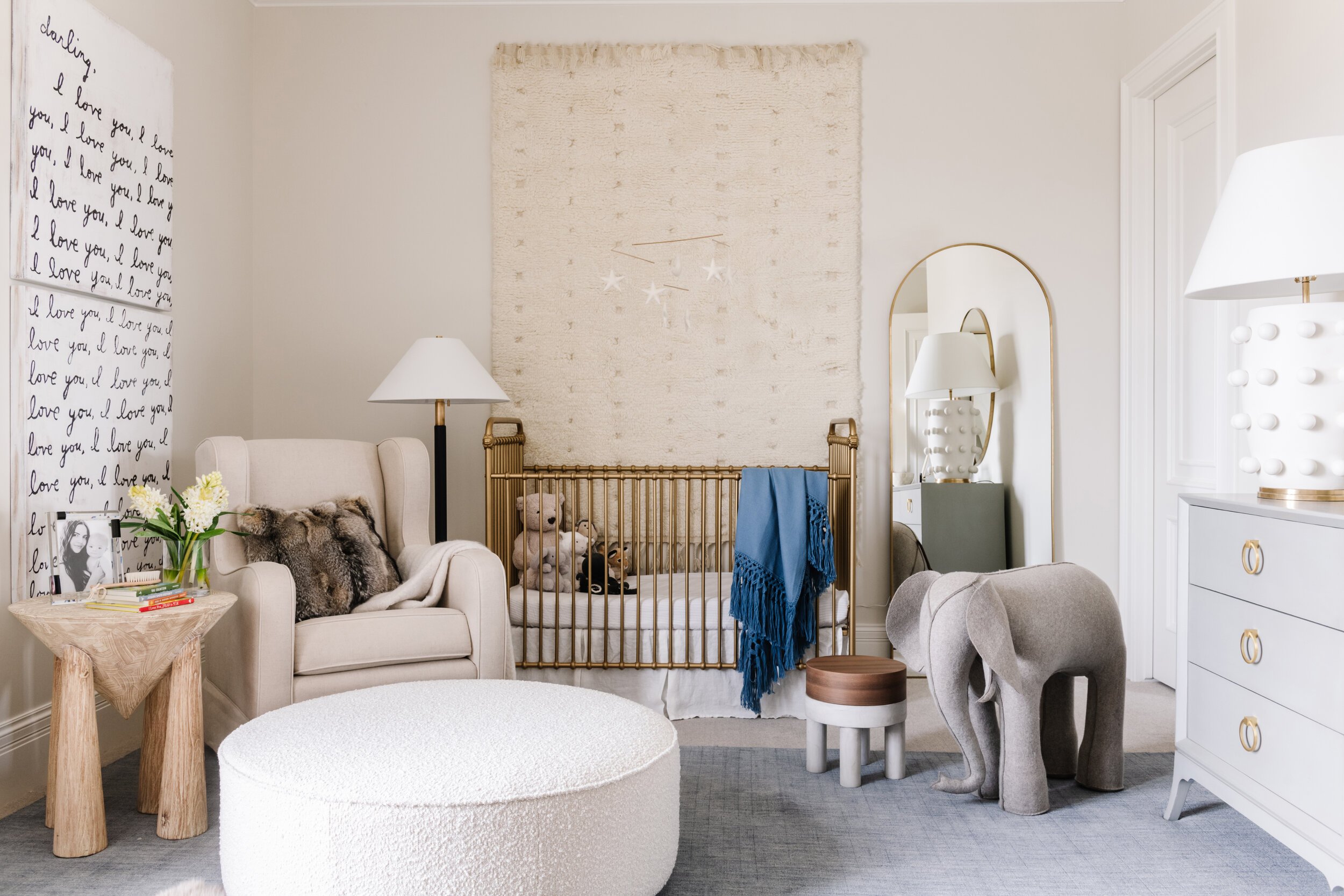


The best spaces balance beauty with function. Start simple. Choose wisely. Let the room evolve naturally.