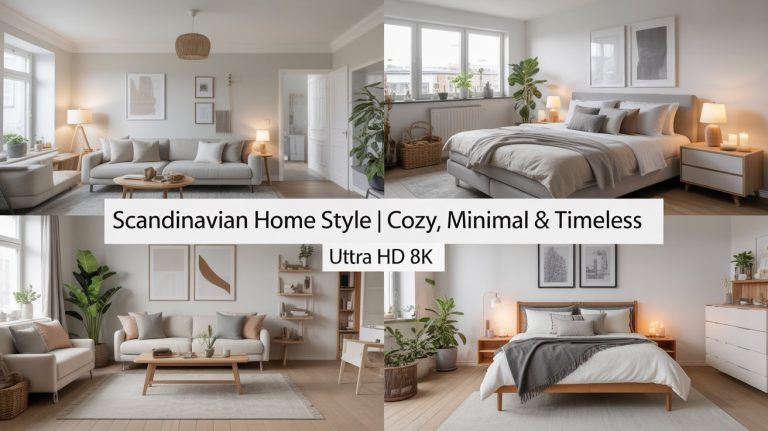
Every home has one wall that quietly controls the mood of the room. It is the wall people face when they relax, talk, and spend time together. The television wall carries that responsibility. When designed with care, it does not feel like a screen attached to a surface. It feels intentional. Thoughtfully planned TV Wall Frames turn an ordinary living room into a space that feels finished and personal.
I once walked into a home where the furniture looked perfect, but something still felt incomplete. The TV wall stood bare, disconnected from the rest of the decor. Once that wall received structure, texture, and balance, the entire room changed. That transformation explains why this design element matters so much in home decor.
Why TV Wall Frames Define the Heart of the Living Room
Interior designers often describe the television wall as a visual anchor. It grounds the seating arrangement and guides how the eye moves through the space. According to principles shared by the American Society of Interior Designers, a strong focal wall brings harmony and order to a room.


This is where TV Wall Frames play a key role. They give the screen a sense of place. Instead of floating awkwardly, the television becomes part of a larger composition that includes furniture, lighting, and textures. When the frame matches the room’s scale, the space feels calm and cohesive.
Materials and Finishes That Shape TV Wall Frames
Materials change how a room feels. Wood brings warmth. Stone adds depth. Fabric panels soften sound and appearance. Designers select finishes not just for beauty, but for comfort and durability.
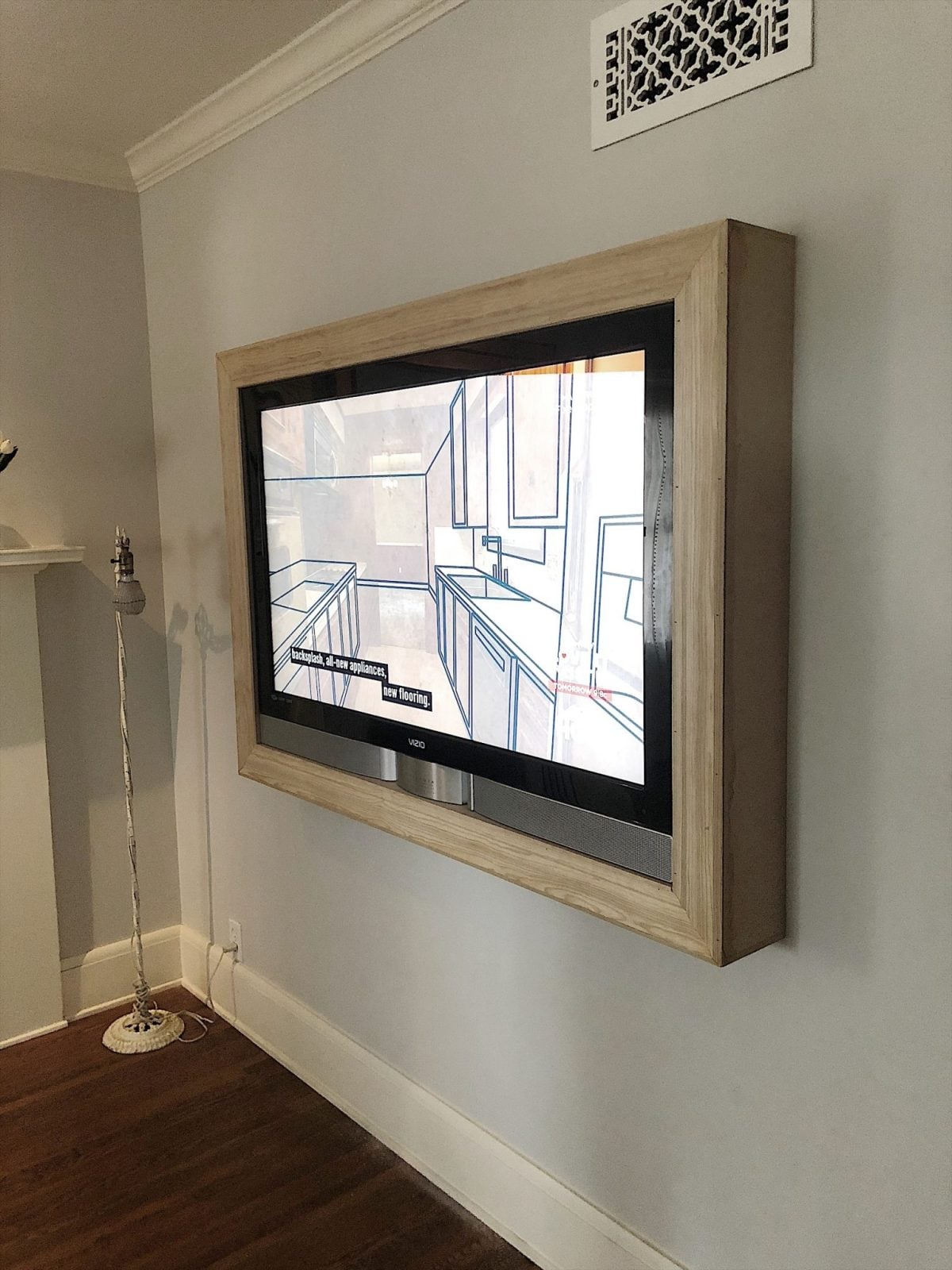


In many homes, TV Wall Frames built with natural textures help technology blend into living spaces. Matte finishes reduce glare. Neutral tones reflect light gently. These choices create balance, especially in rooms used daily by families.
How TV Wall Frames Balance Function and Style
A beautiful wall must still work well. Wires need hiding. Storage needs planning. Screens need proper height and spacing.

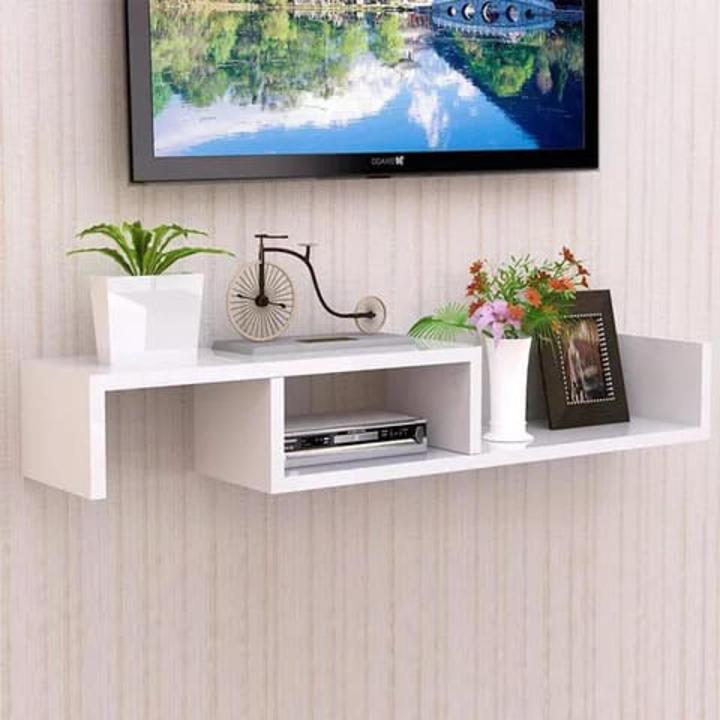
Design professionals stress clean lines and proportional spacing. Here, TV Wall Frames organize the visual field. Shelves align with the frame. Cabinets sit comfortably beneath it. Nothing feels crowded or random. The wall supports both style and daily use.
Modern Minimalism in TV Wall Frames Design
Minimal interiors have grown popular because they reduce visual noise. Clean spaces feel calm, especially in busy households.

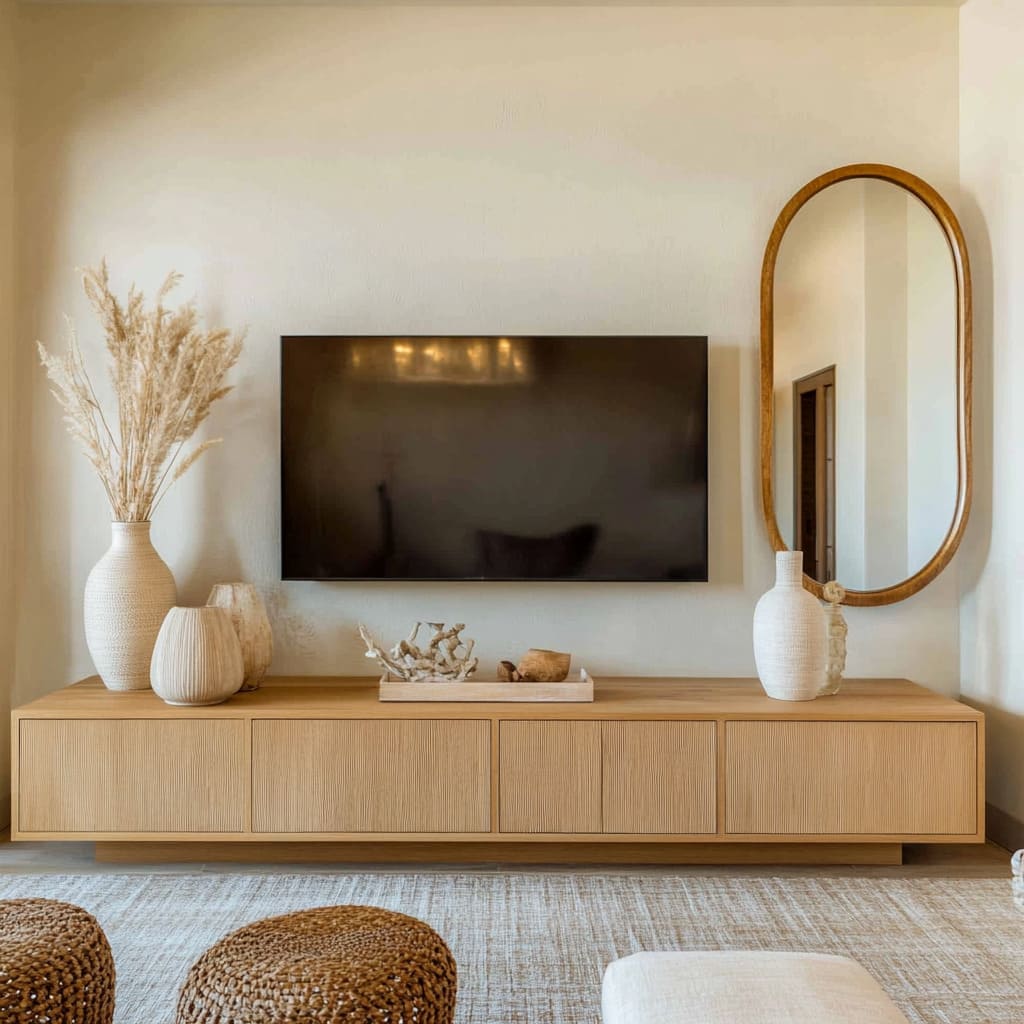
In minimalist homes, TV Wall Frames rely on subtle contrast rather than decoration. Soft colors, slim borders, and integrated lighting create quiet elegance. The wall enhances the room without demanding attention.
Classic Appeal Through TV Wall Frames
Not every home follows modern trends. Many spaces lean toward timeless design.
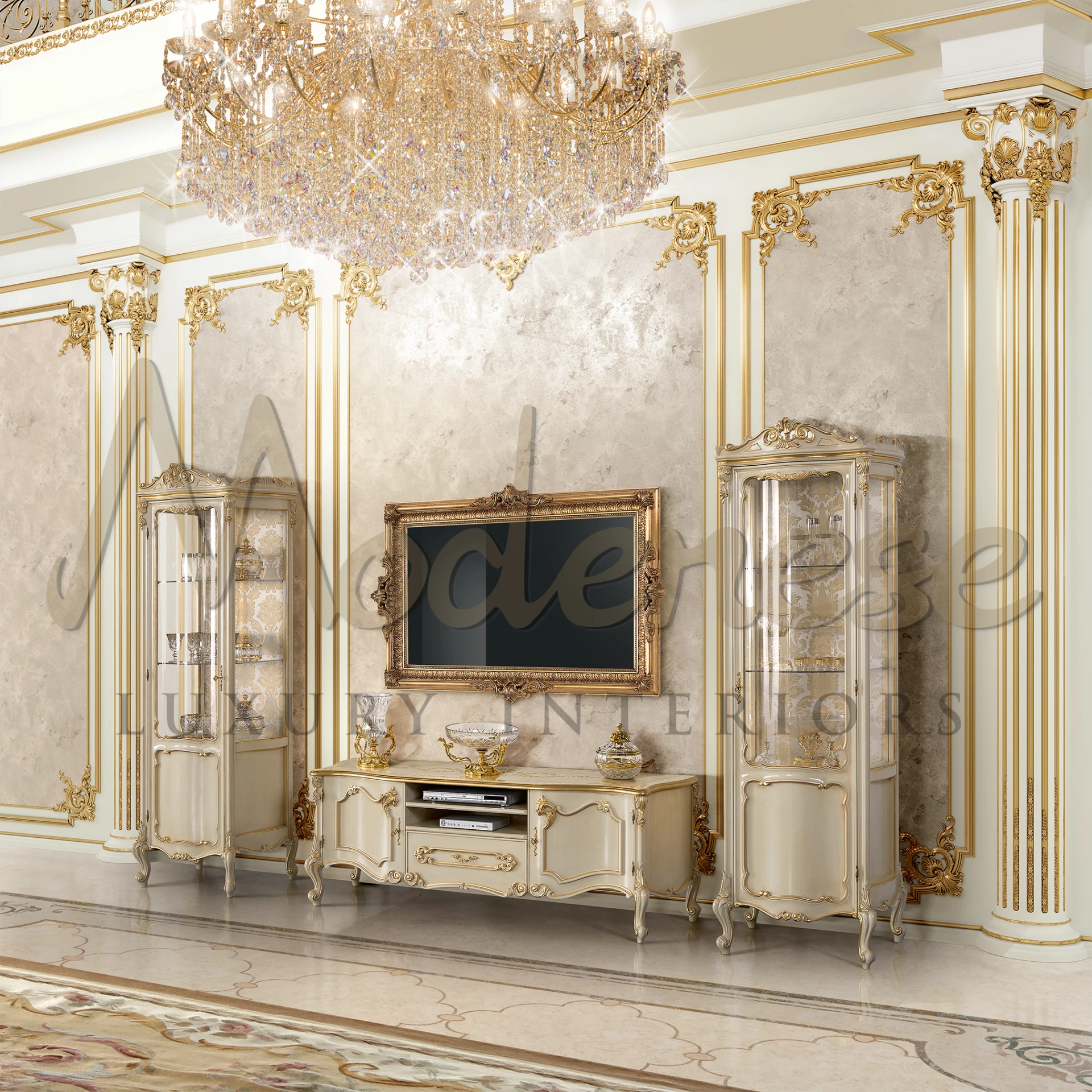
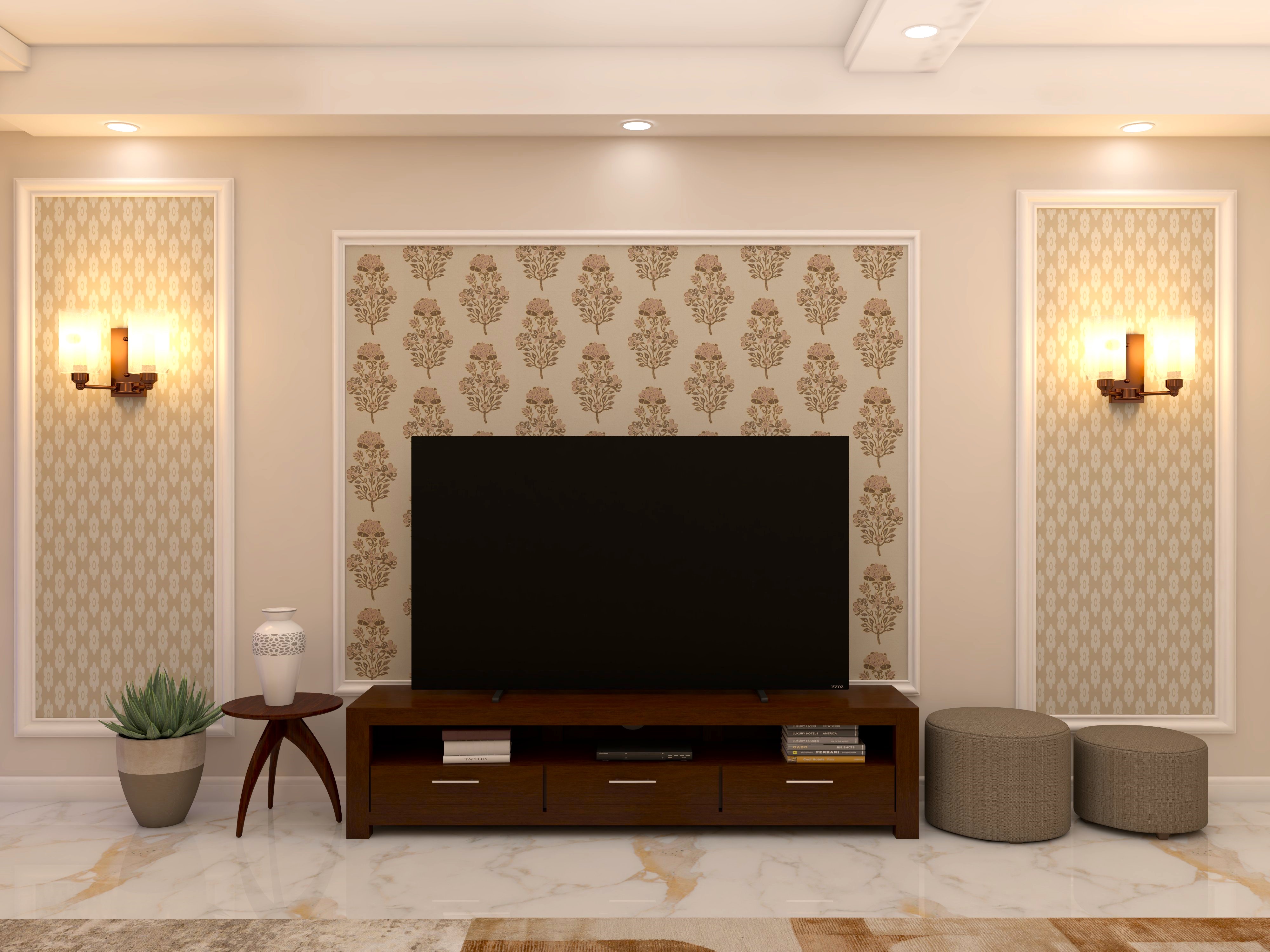

In classic interiors, TV Wall Frames often include paneling, symmetry, and balanced shelving. These details bring character and depth. The television blends into the architecture instead of standing apart from it.
Adapting TV Wall Frames for Small and Large Spaces
Room size shapes design decisions. Large rooms need structure. Small rooms need efficiency.


In compact homes, wall-mounted solutions save floor space. Vertical elements draw the eye upward. In spacious living rooms, wider frames and layered textures prevent the wall from feeling empty. TV Wall Frames adapt to both environments when planned correctly.
Lighting and Mood Around the TV Wall
Lighting affects how a room feels more than any other element. Soft backlighting reduces eye strain and adds depth.


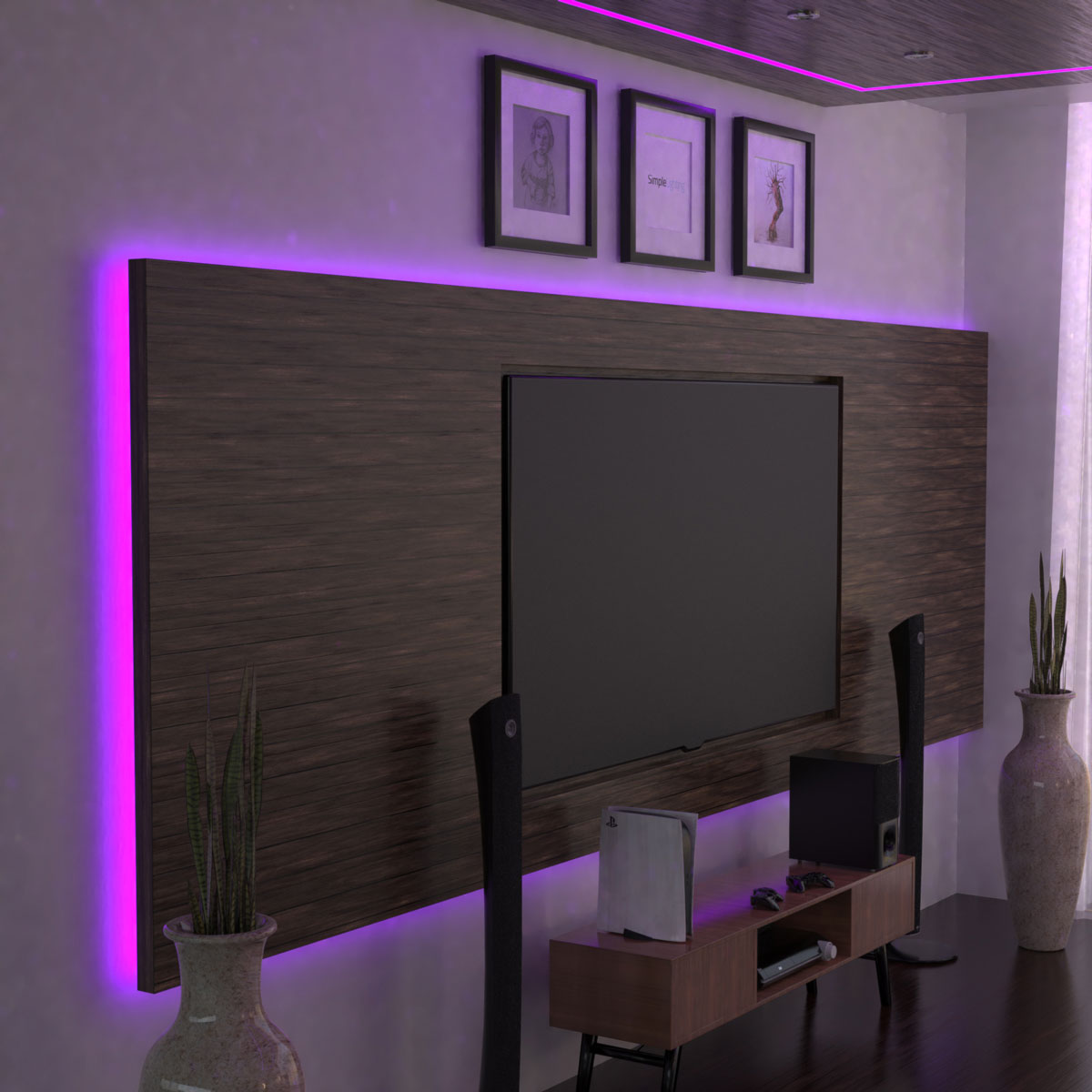
Designers often recommend warm light temperatures for living spaces. When paired with TV Wall Frames, lighting creates atmosphere without overpowering the screen. The room feels inviting during the day and relaxing at night.
The Emotional Impact of a Well-Framed TV Wall
Home decor influences mood. Clutter causes stress. Balance brings comfort.
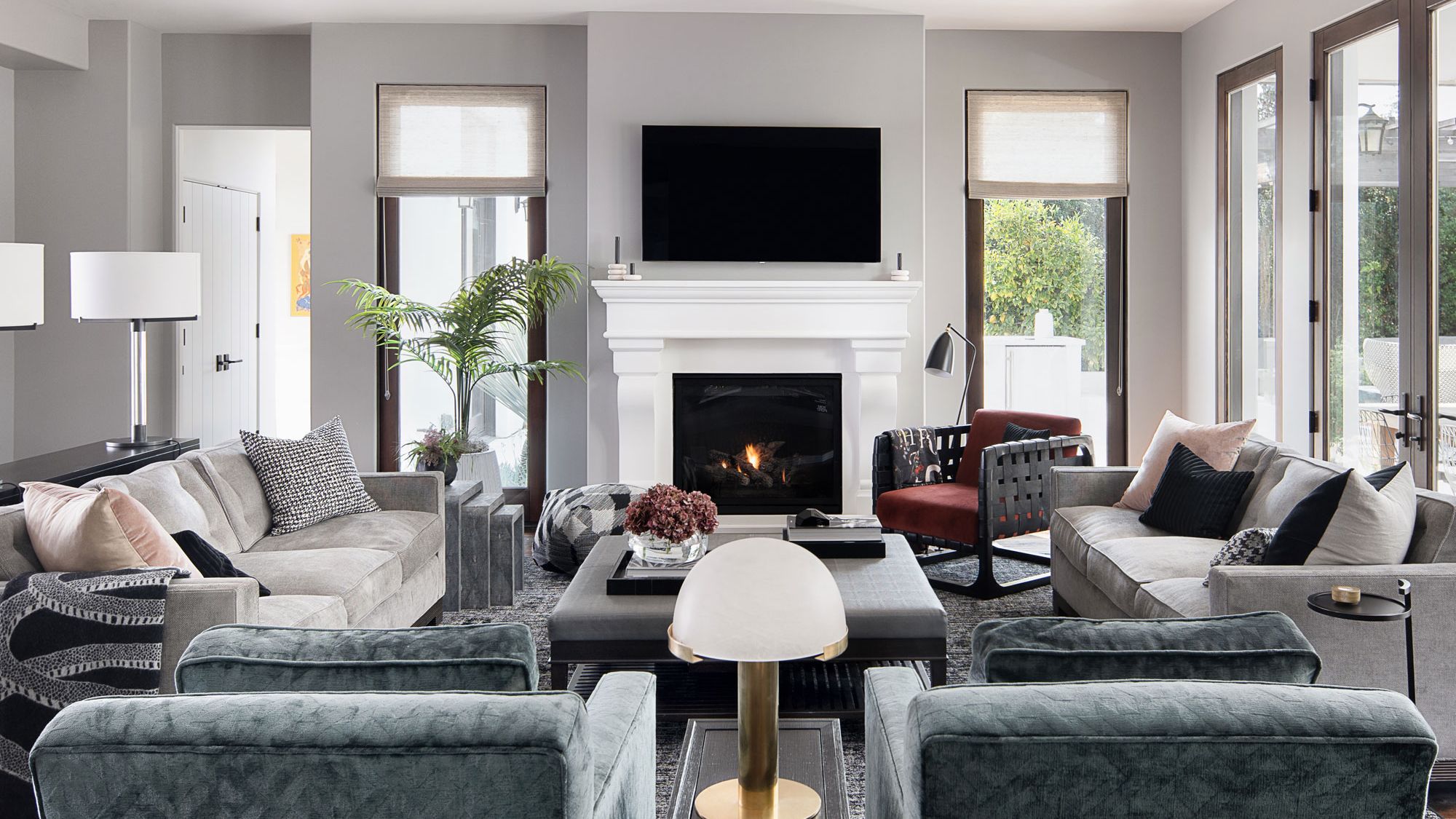
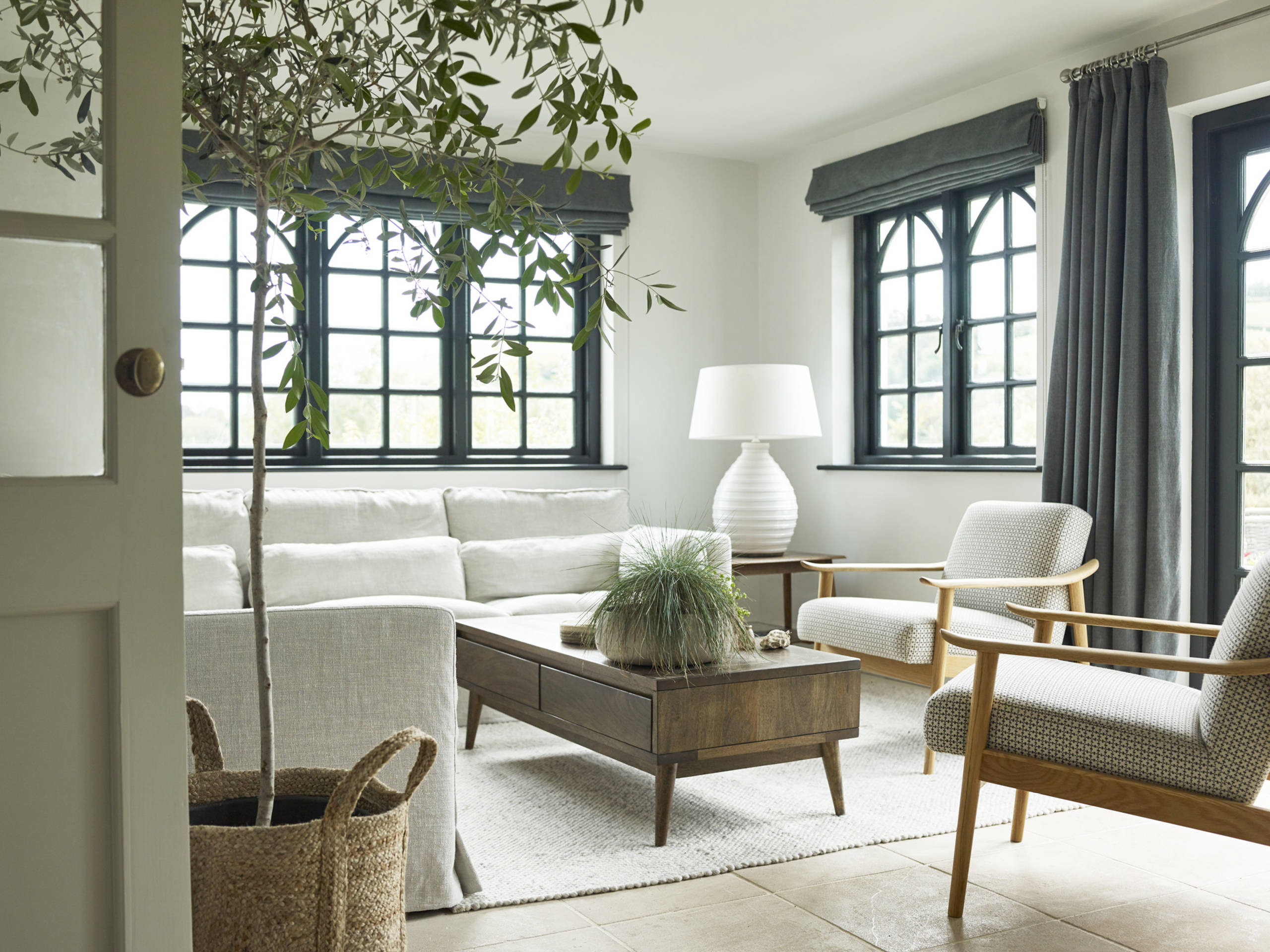

Psychologists who study environmental design note that organized spaces improve relaxation. TV Wall Frames support this by creating visual order. They guide attention gently and help the room feel complete.
Final Thoughts on Designing With Intention
A television wall should never feel like an afterthought. It deserves the same care as furniture, lighting, and color choices. When planned with intention, TV Wall Frames elevate the entire home.
They do not compete for attention. They support comfort, balance, and everyday living. In a well-designed space, the TV wall fades into the background while the room itself shines.
Frequently Asked Questions
What are TV wall frames in home decor?
TV wall frames are design structures that visually integrate a television into the wall. They use materials like wood, panels, or textured finishes to make the TV look intentional rather than mounted as an afterthought.
Why are TV wall frames important for living room design?
The TV wall acts as a focal point in most living rooms. A well-designed frame brings balance, hides cables, and connects the television with the overall decor style, making the space feel organized and complete.
Do TV wall frames suit both modern and traditional homes?
Yes. TV wall frames adapt easily to different styles. Clean lines and neutral finishes suit modern interiors, while paneling and symmetrical designs work well in traditional or classic homes.
What materials work best for TV wall frames?
Wood, laminate, stone panels, and matte-finish boards work well. The best material depends on the room’s style, lighting, and how much warmth or texture the space needs.
Are TV wall frames practical for small living rooms?
They are very practical. Wall-mounted frames save floor space and reduce clutter. Vertical designs can also make small rooms feel taller and more open.
How do TV wall frames help with cable management?
Most TV wall frame designs include concealed channels or panels that hide wires and devices. This keeps the wall clean and improves both safety and appearance.