
The first time I stepped into my grandmother’s house on a winter evening, I understood what true comfort meant. The lights felt soft, not bright. The colors felt gentle, not loud. Every room welcomed you without saying a word. That feeling still defines a Cozy warm home interior, where comfort leads, and style follows naturally.
In today’s fast world, homes serve as places of rest, safety, and emotional balance. People no longer want spaces that only look good in photos. They want homes that feel good to live in. This guide explores how warmth, texture, and thoughtful design choices come together to create interiors that feel inviting, calm, and timeless.
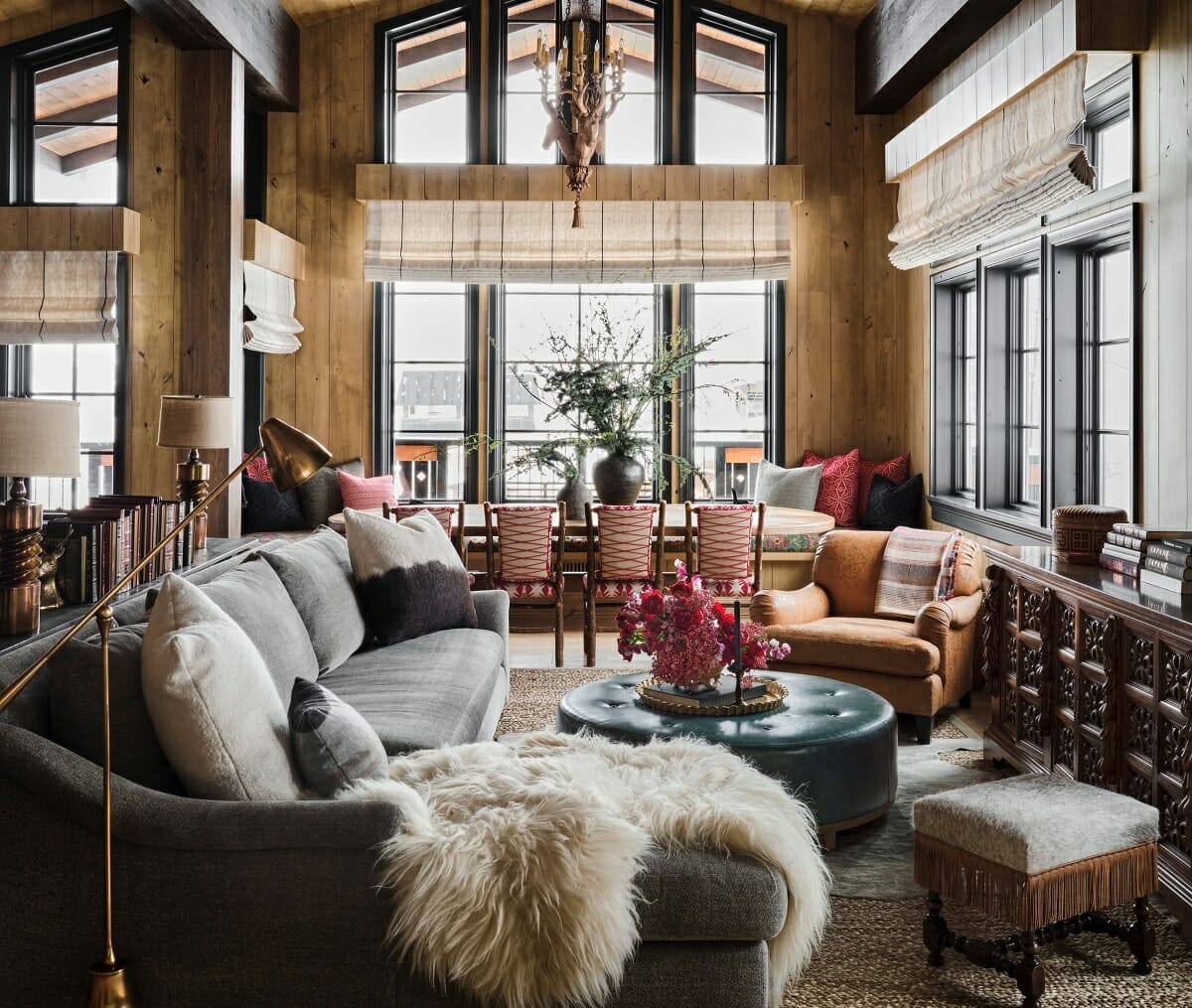

Why Comfort Matters More Than Trends in Modern Homes
Trends change quickly, but comfort stays relevant. A warm interior supports daily life by helping people relax, connect, and recharge. When a space feels calm, it reduces stress and improves focus.
Interior design movements influenced by ideas such as Scandinavian design focus on warmth, simplicity, and balance. These principles shaped modern interiors that value natural light, soft colors, and practical layouts. At the center of this philosophy sits the idea of a Cozy warm home interior built for real living, not display.
Homes designed around comfort feel personal instead of staged.

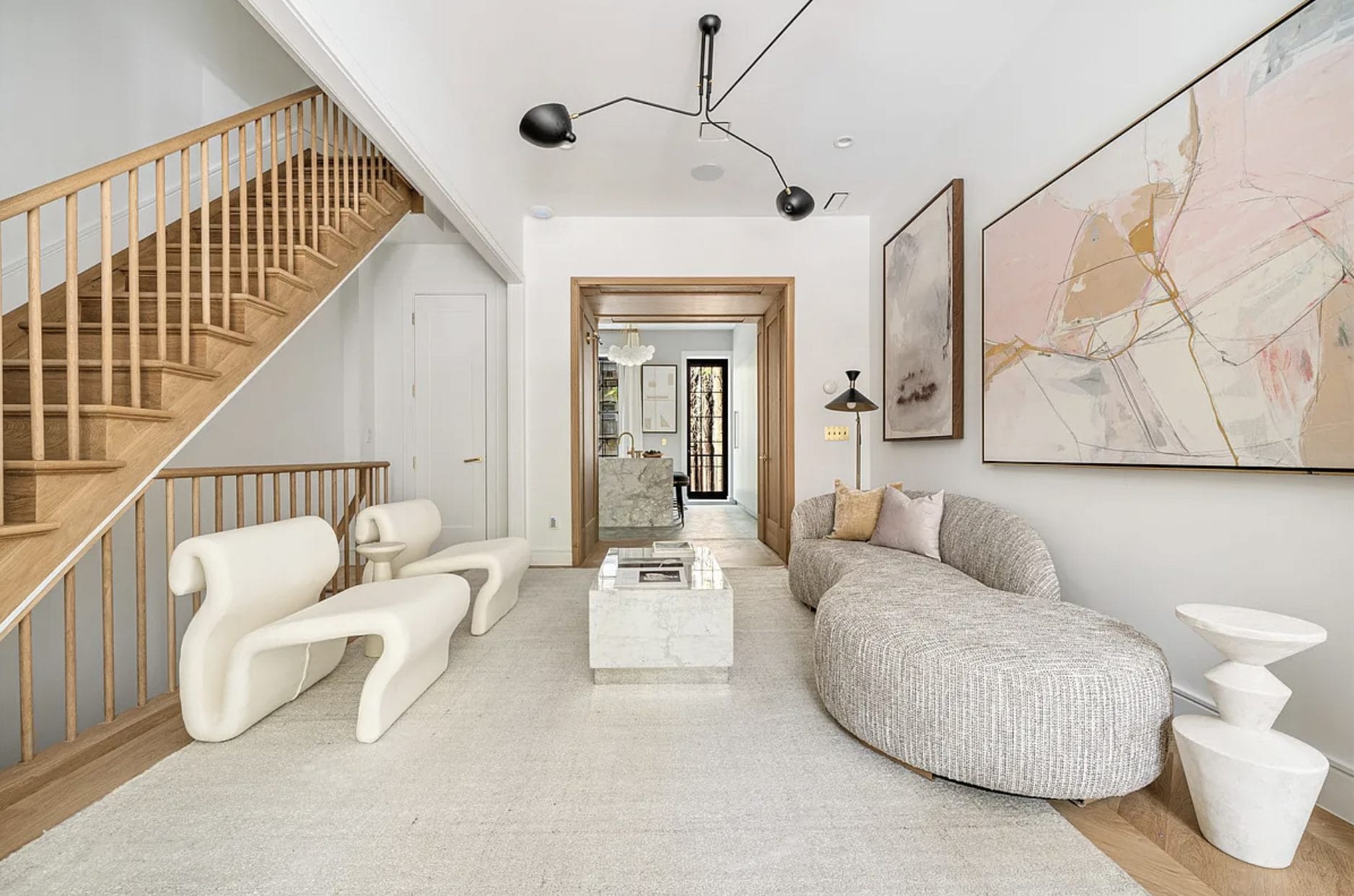
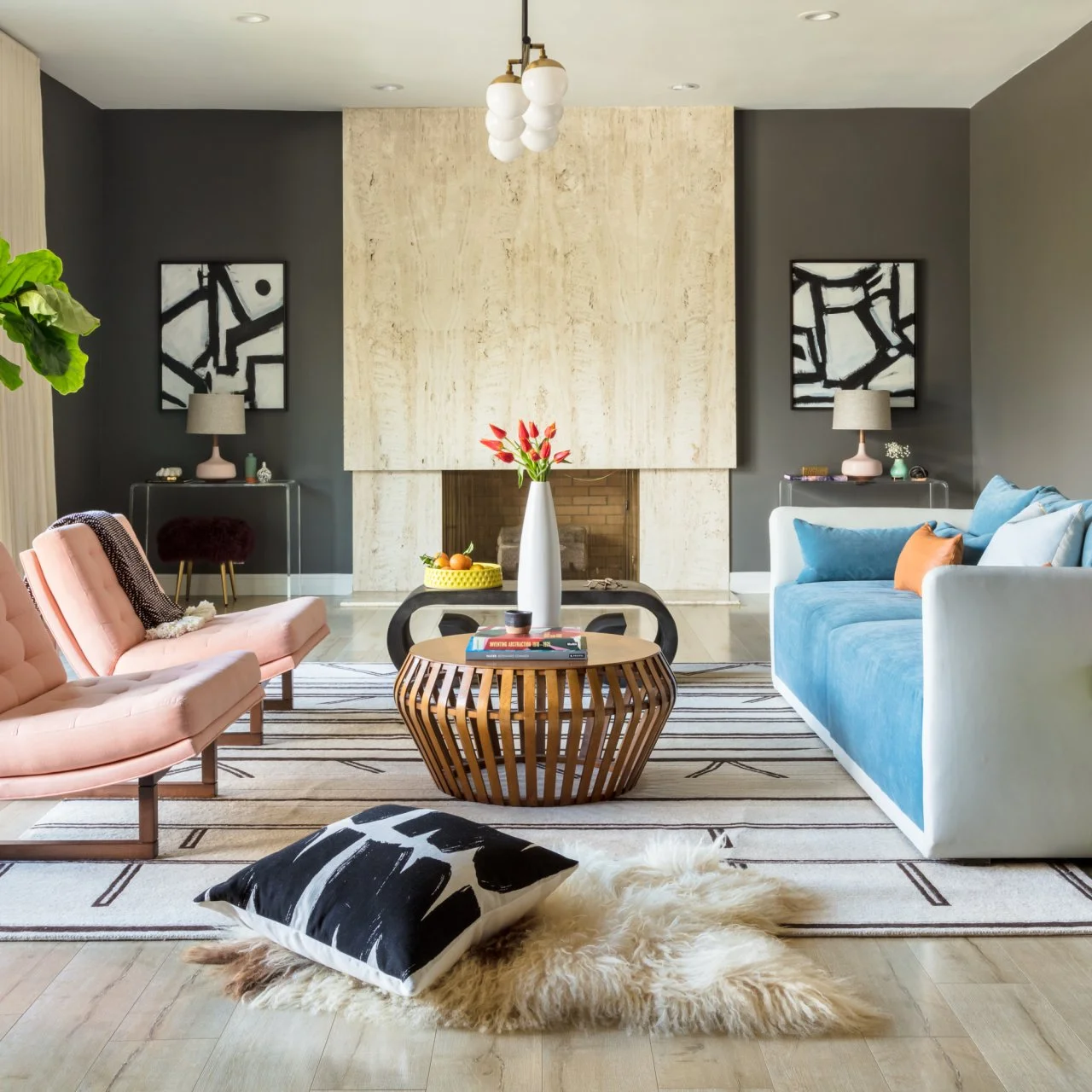
Cozy Warm Home Interior Begins With Intention
Every inviting home starts with intention. Before furniture or décor enters a space, homeowners decide how they want the home to feel. Calm, safe, relaxed, or nurturing. This emotional goal guides every design decision.
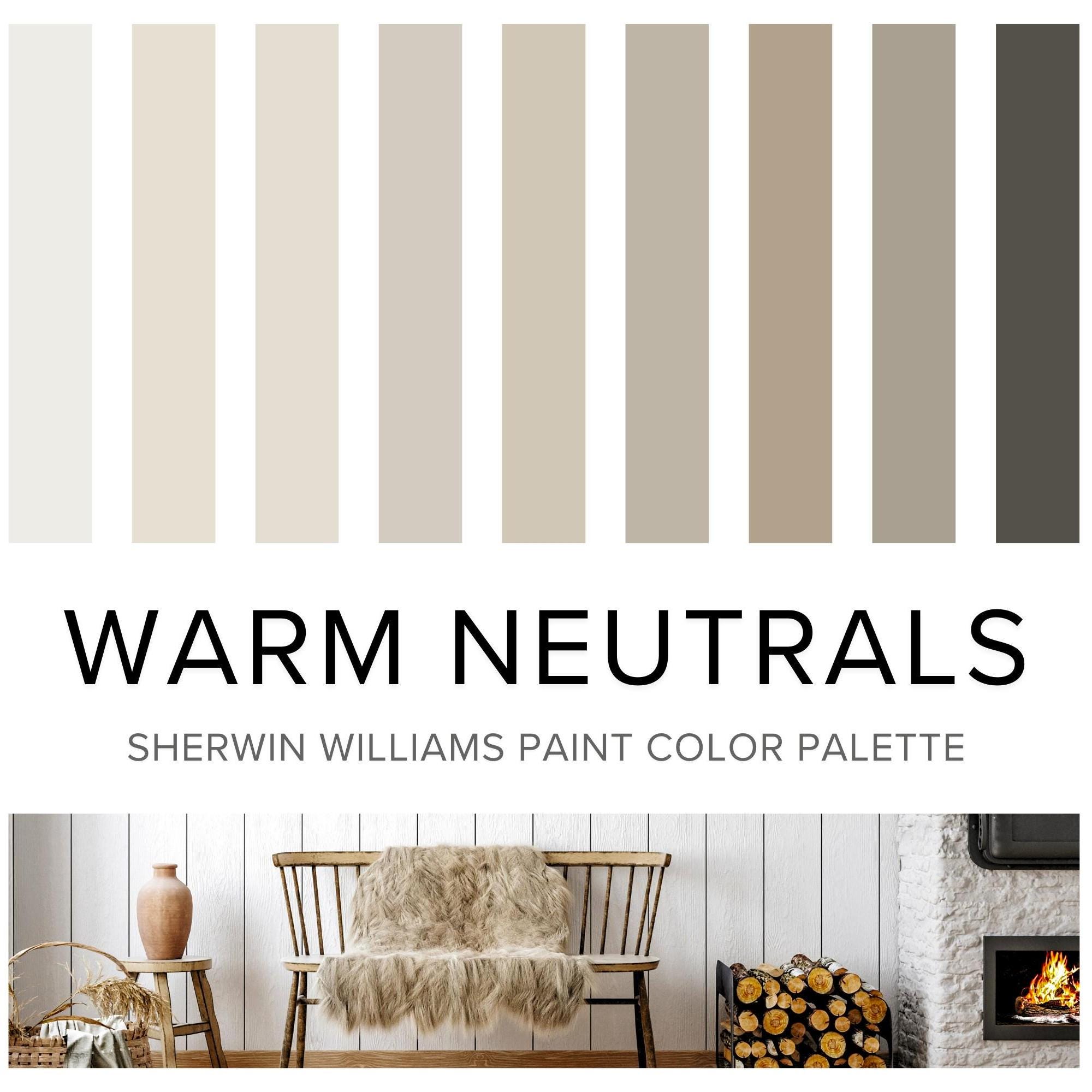
Warm colors form the foundation. Cream, beige, soft brown, and gentle gray reflect light without harsh contrast. These tones create visual ease and help rooms feel balanced. When guided by purpose, a Cozy warm home interior uses simplicity as a strength rather than a limitation.
Furniture placement supports this goal. Clear pathways and thoughtful spacing allow rooms to breathe and feel welcoming.

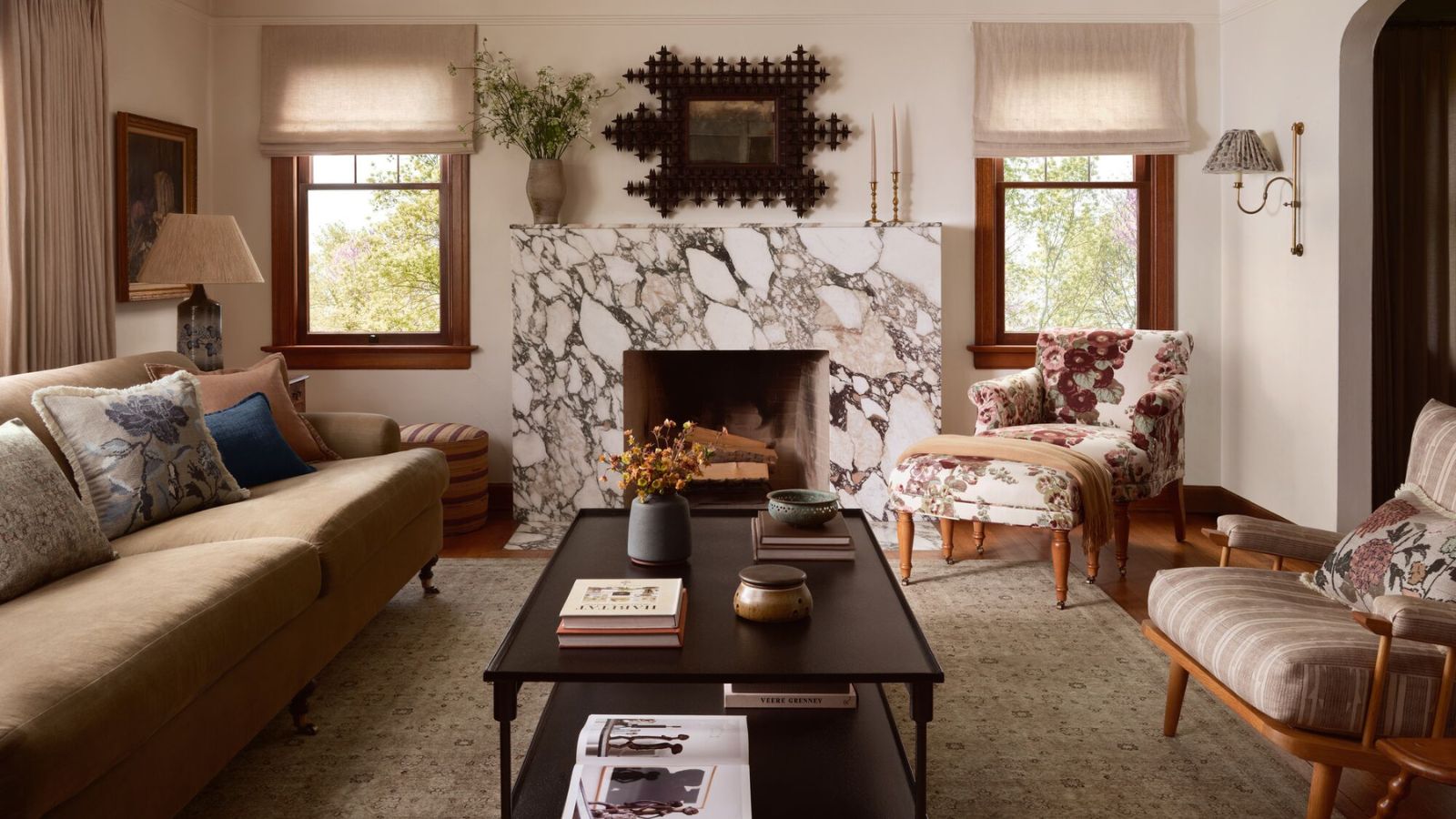

Color Choices That Wrap a Home in Warmth
Color shapes mood faster than any other design element. Warm interiors rely on gentle palettes that soothe the eye. Earthy neutrals, muted browns, soft whites, and warm taupe tones create harmony.
Instead of bold contrast, designers layer similar shades across walls, textiles, and furniture. This technique adds depth without noise. It helps a Cozy warm home interior feel connected from room to room.
Consistent color flow also makes homes feel larger and more peaceful.


Textures That Make Spaces Feel Lived In
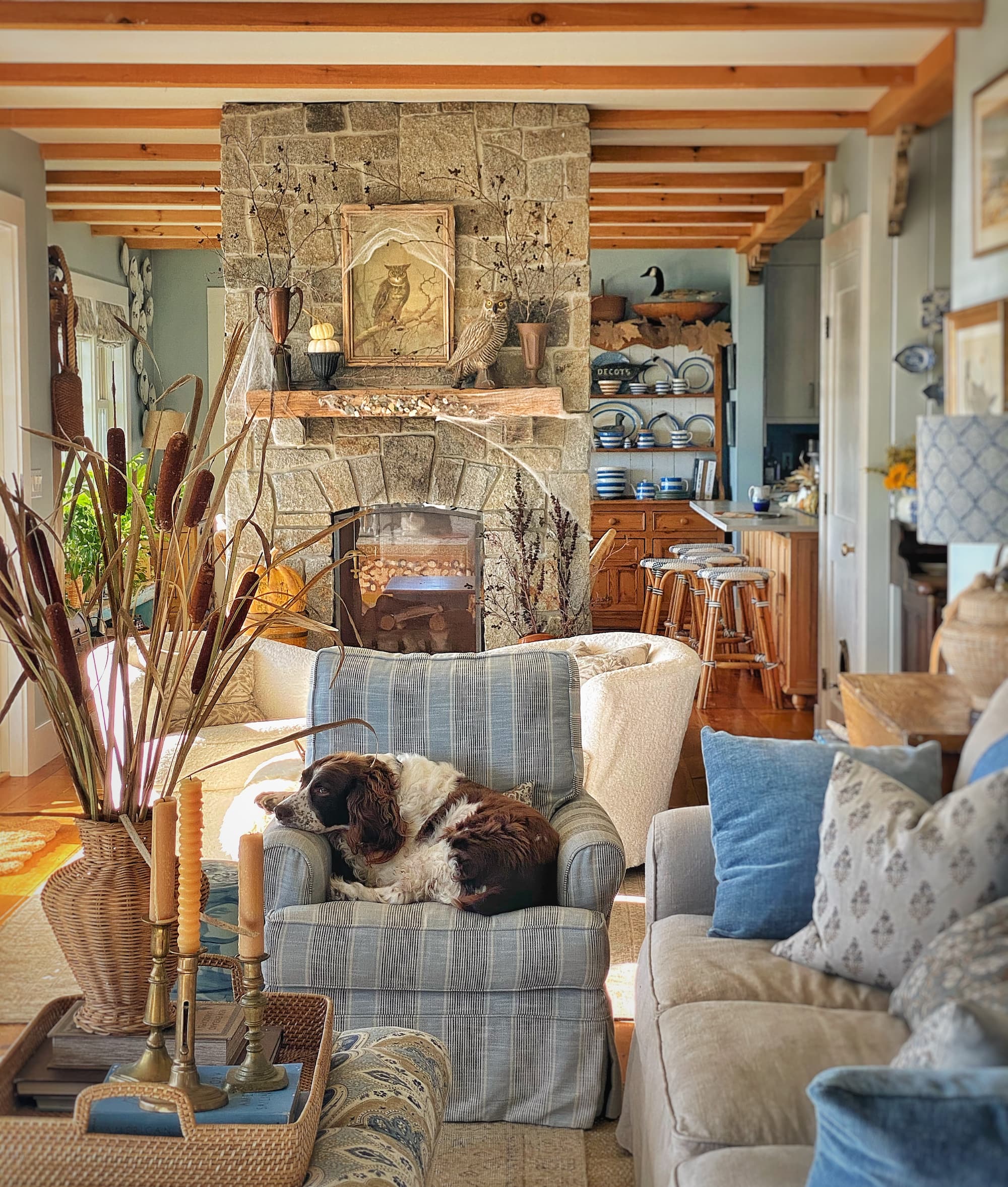
Texture turns a simple room into a comforting one. Smooth surfaces alone feel cold. Warm homes balance them with tactile materials that invite touch.
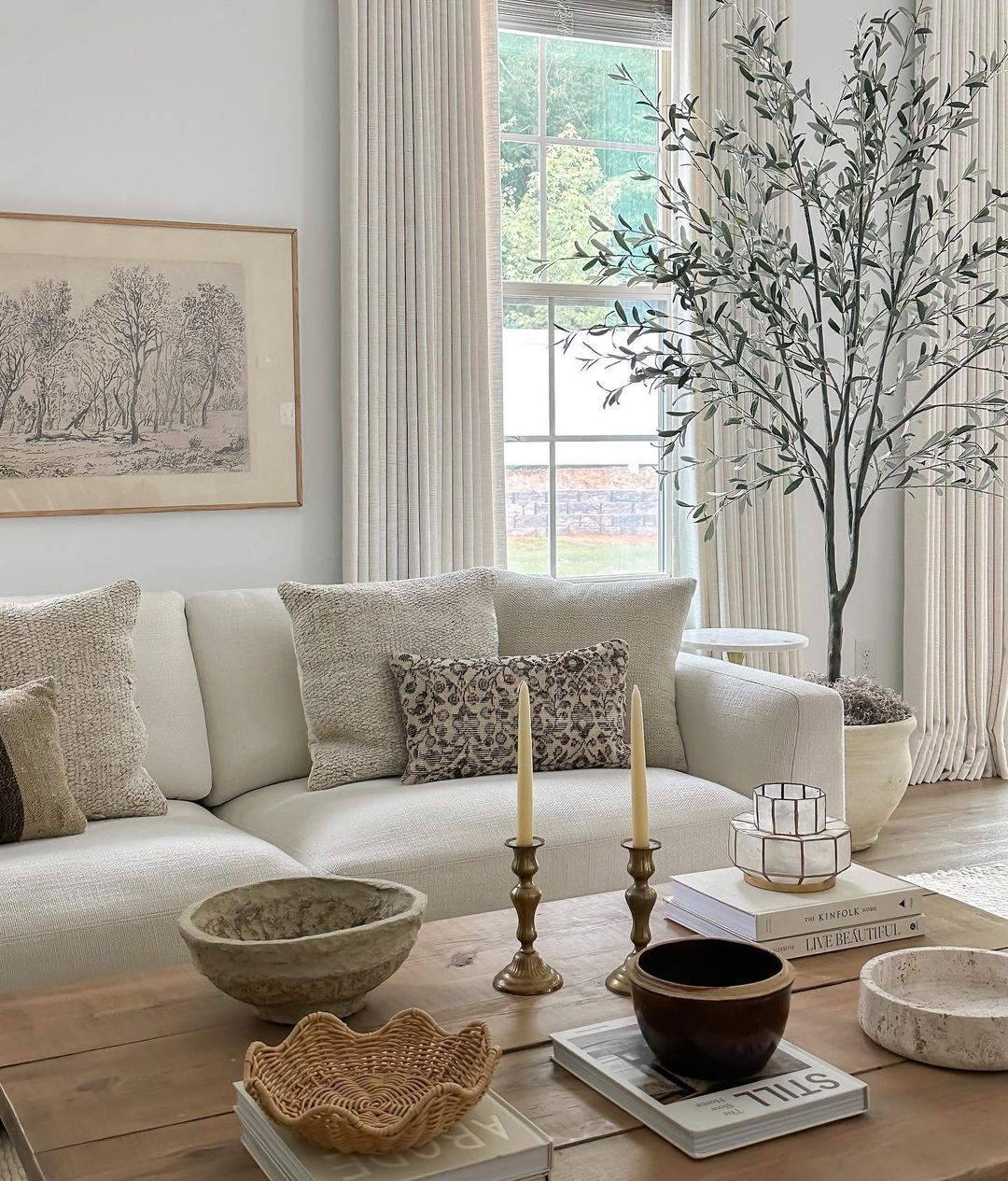
Cotton cushions, wool throws, linen curtains, wooden furniture, and ceramic accents work together to add softness. Matte finishes reduce glare and make light feel gentler. These choices support a Cozy warm home interior that feels human instead of polished.
Accessible brands like IKEA offer clean base pieces that gain character through layering and thoughtful styling.


Lighting That Creates Emotional Comfort
Lighting defines how a home feels at different times of day. Natural daylight forms the base of warmth. Windows stay open or are lightly dressed to let sunlight move freely.
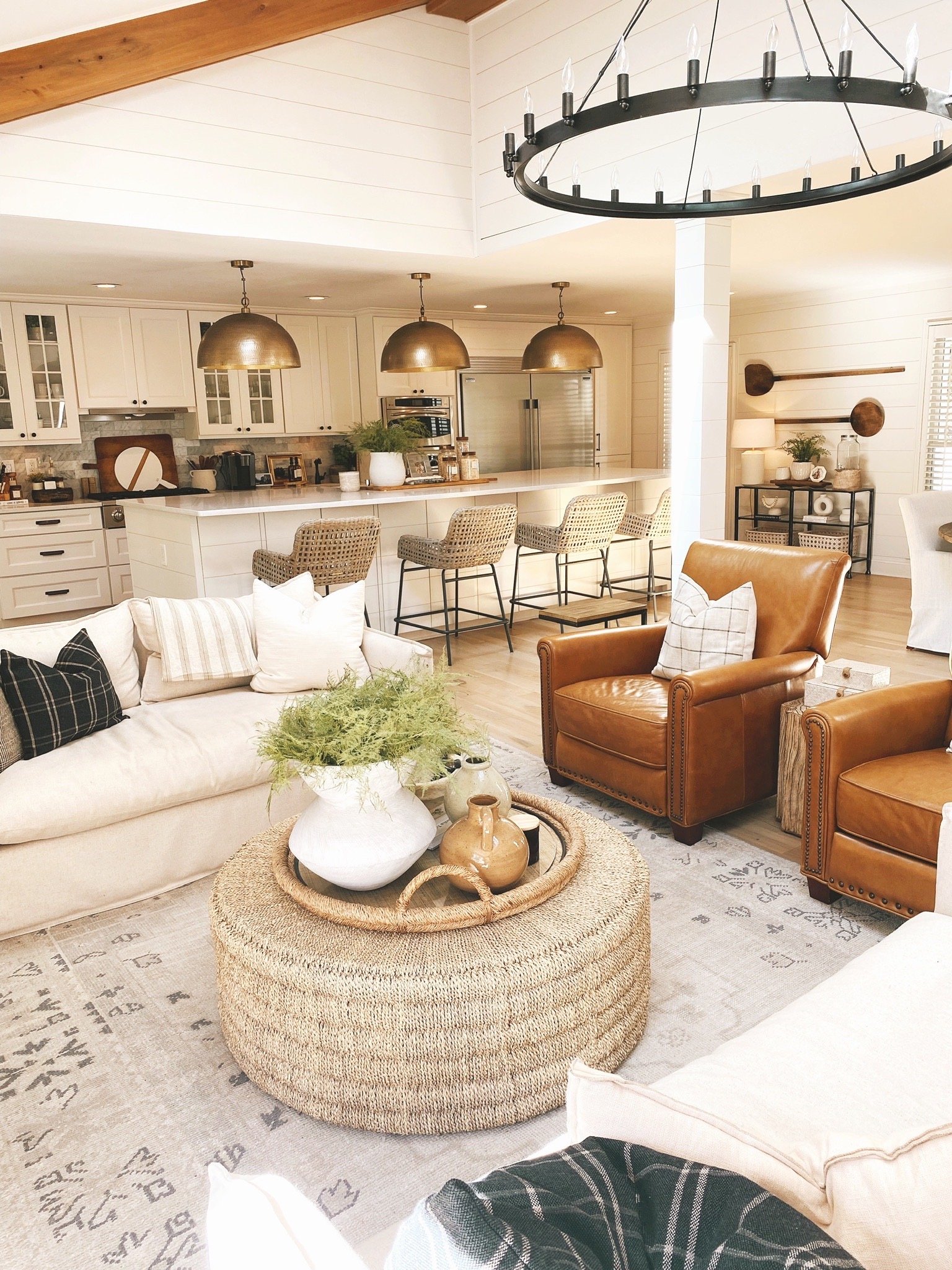
Artificial lighting stays soft and layered. Table lamps, floor lamps, and wall lights replace harsh overhead lighting. Warm bulbs reduce strain and create intimacy. In many homes, lighting completes the Cozy warm home interior more effectively than décor alone.
Soft shadows add depth and calm without darkening the space.


Living Rooms Designed for Relaxation and Connection
The living room often carries the emotional center of a home. Warm interiors focus on comfort and connection rather than formality.
Seating feels inviting. Sofas encourage rest. Chairs face each other to support conversation. Textiles soften the space. Plants add life and freshness. Platforms like Pinterest inspire ideas, but the most welcoming living rooms reflect daily habits and personal comfort.
A thoughtfully planned Cozy warm home interior allows living spaces to feel open, relaxed, and lived in.


Bedrooms That Support Deep Rest
Bedrooms exist for rest, not storage or display. Warm bedroom design reduces visual stimulation and encourages calm.
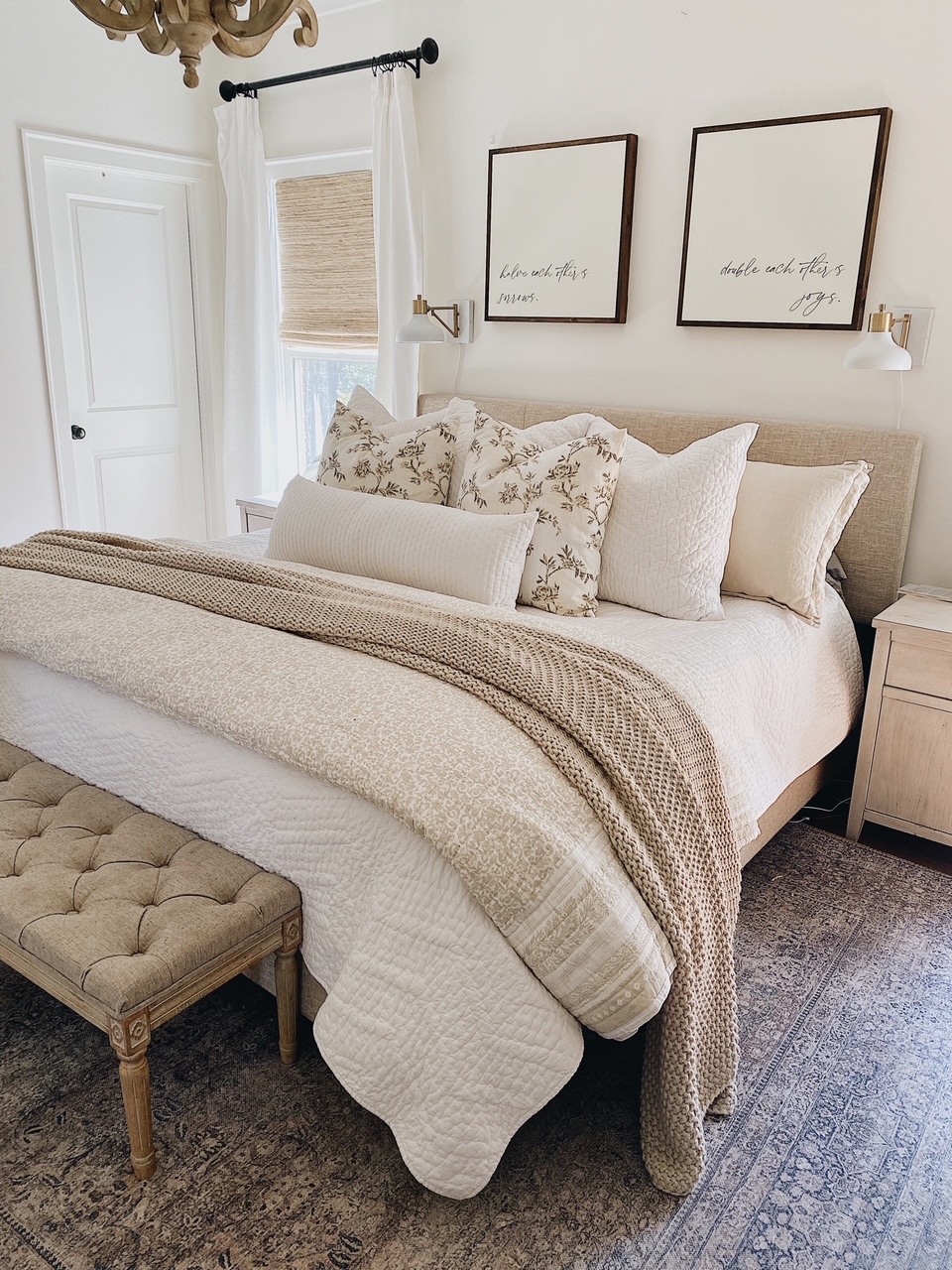
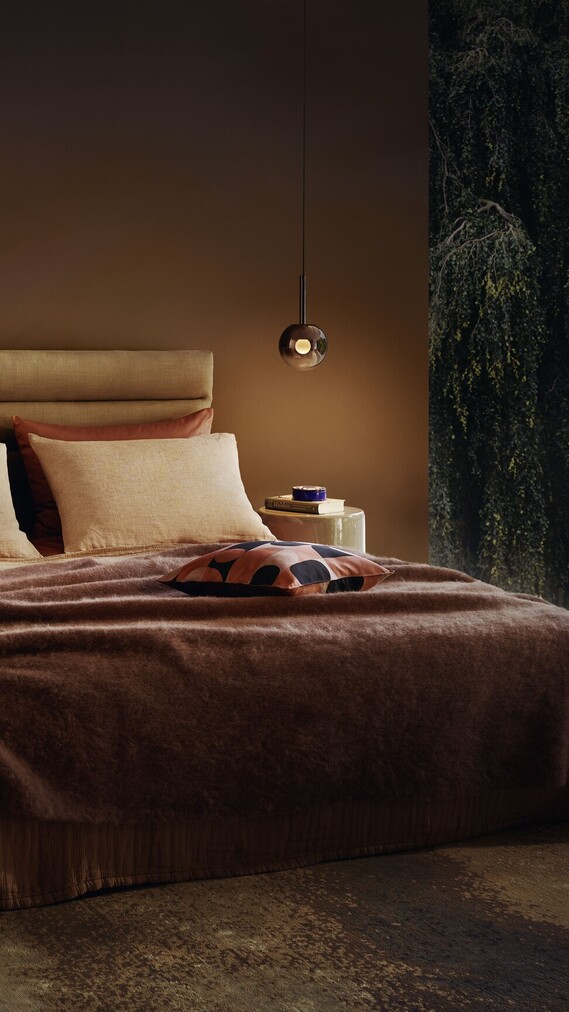
Soft bedding, neutral tones, and gentle lighting support sleep. Walls stay uncluttered. Storage remains subtle. These choices help maintain a Cozy warm home interior that supports both body and mind.
Natural fabrics like cotton and linen improve comfort and airflow, making rest deeper and more restorative.

Kitchens That Feel Welcoming, Not Cold
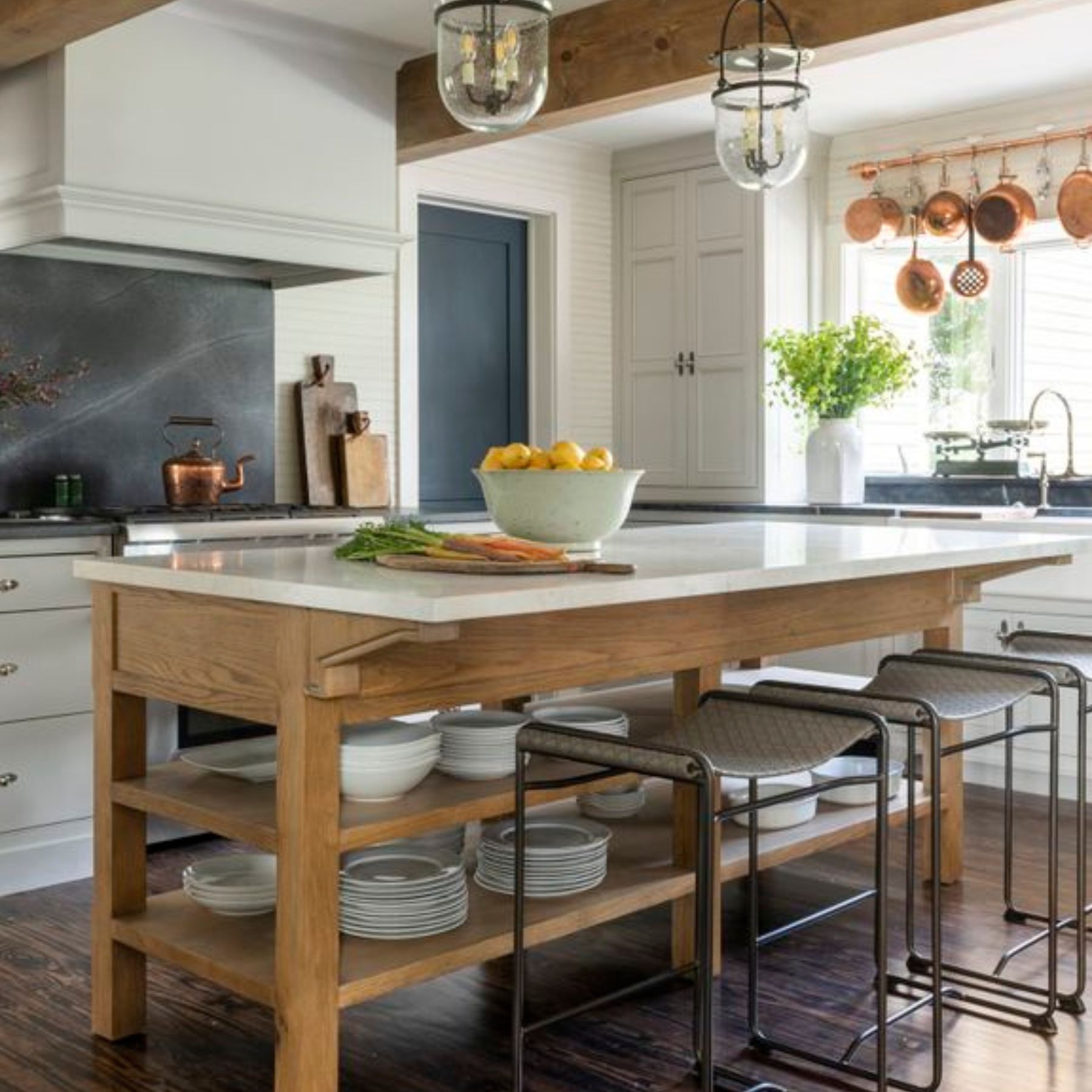
Modern kitchens often feel overly sleek. Warm interiors bring balance back. Wood accents soften hard surfaces. Neutral cabinetry reflects light gently.
Open shelving displays meaningful items instead of clutter. Lighting stays warm and even. These details help kitchens feel inviting while remaining practical.
Design publications such as Architectural Digest often highlight warm kitchens because they age well and support everyday use.


Bathrooms as Quiet Comfort Zones
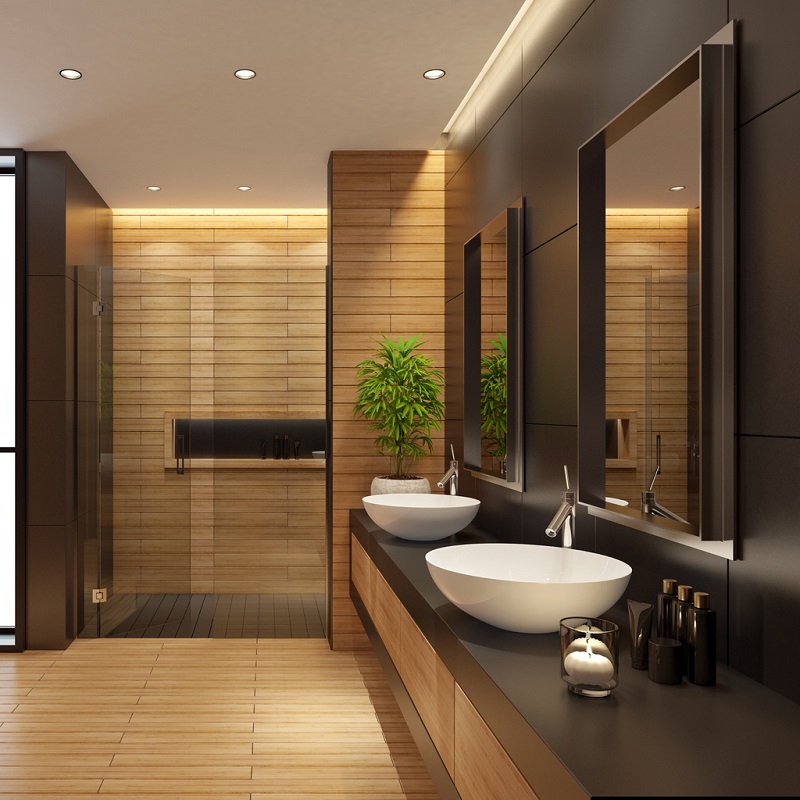
Bathrooms benefit greatly from warmth. Soft lighting, neutral tiles, and natural textures transform them into calming spaces.
Floating vanities open floor space. Towels add softness. Minimal décor keeps the room peaceful. These elements extend the feeling of a Cozy warm home interior into areas often overlooked.
Even small bathrooms feel balanced when warmth guides the design.

Personal Details That Bring Emotional Warmth
A home feels cozy when it reflects the people living in it. Personal items add meaning. A framed photograph, a handmade object, or a favorite book tells a story.
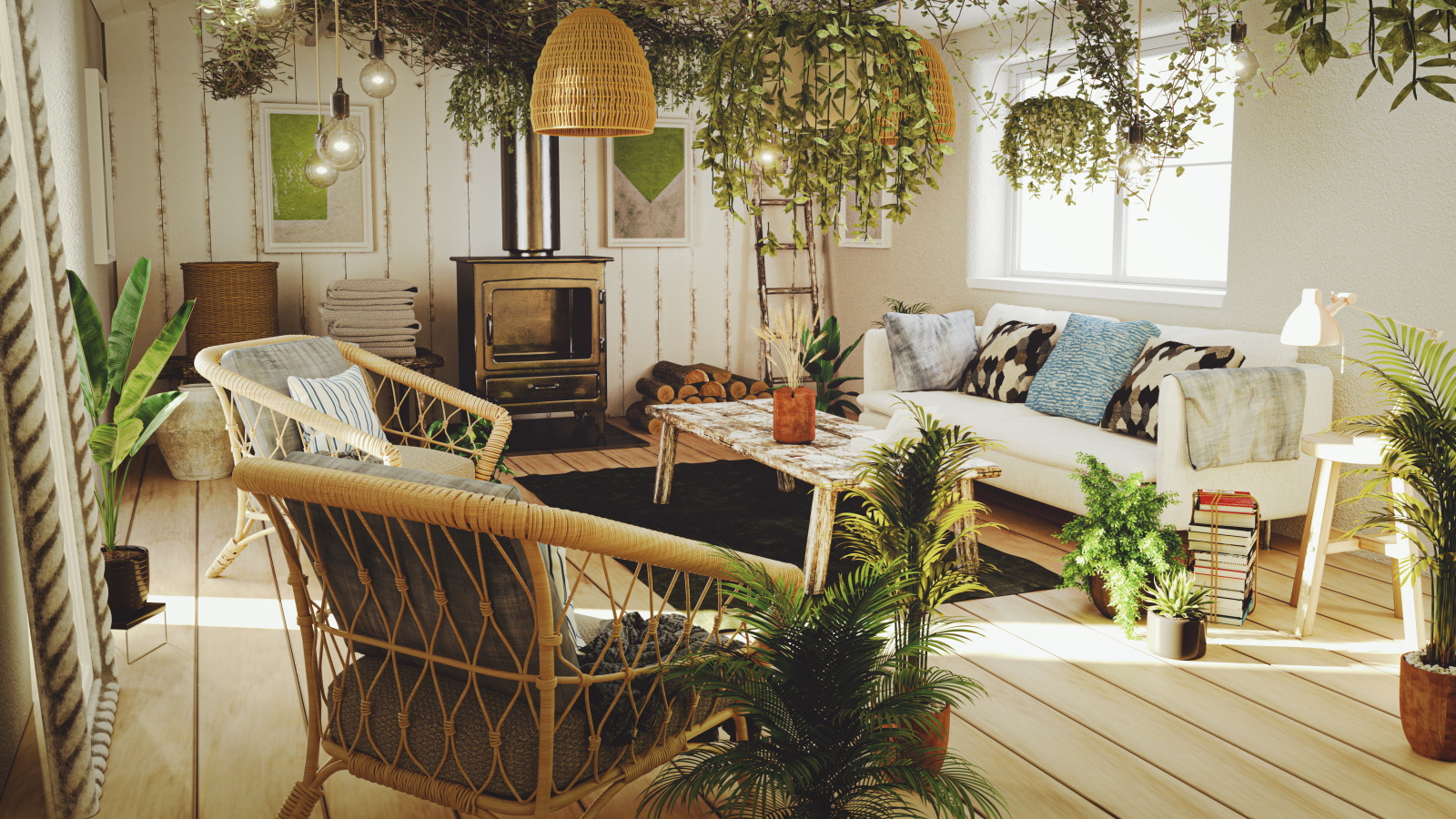
Plants also play a key role. Greenery adds life and movement. Even one plant changes the energy of a room. These details strengthen a Cozy warm home interior by grounding it in authenticity.
Less matters more. Meaningful items carry more emotional weight than many decorative pieces.
Sustainability and Thoughtful Comfort
Warm homes often align with sustainable values. People choose fewer items but of better quality. Natural materials last longer and age beautifully.
This mindset reduces waste and supports mindful living. Homes evolve slowly instead of following short trends. Sustainability strengthens the long-term value of a Cozy warm home interior built for real life.


Why Warm Interiors Never Feel Outdated
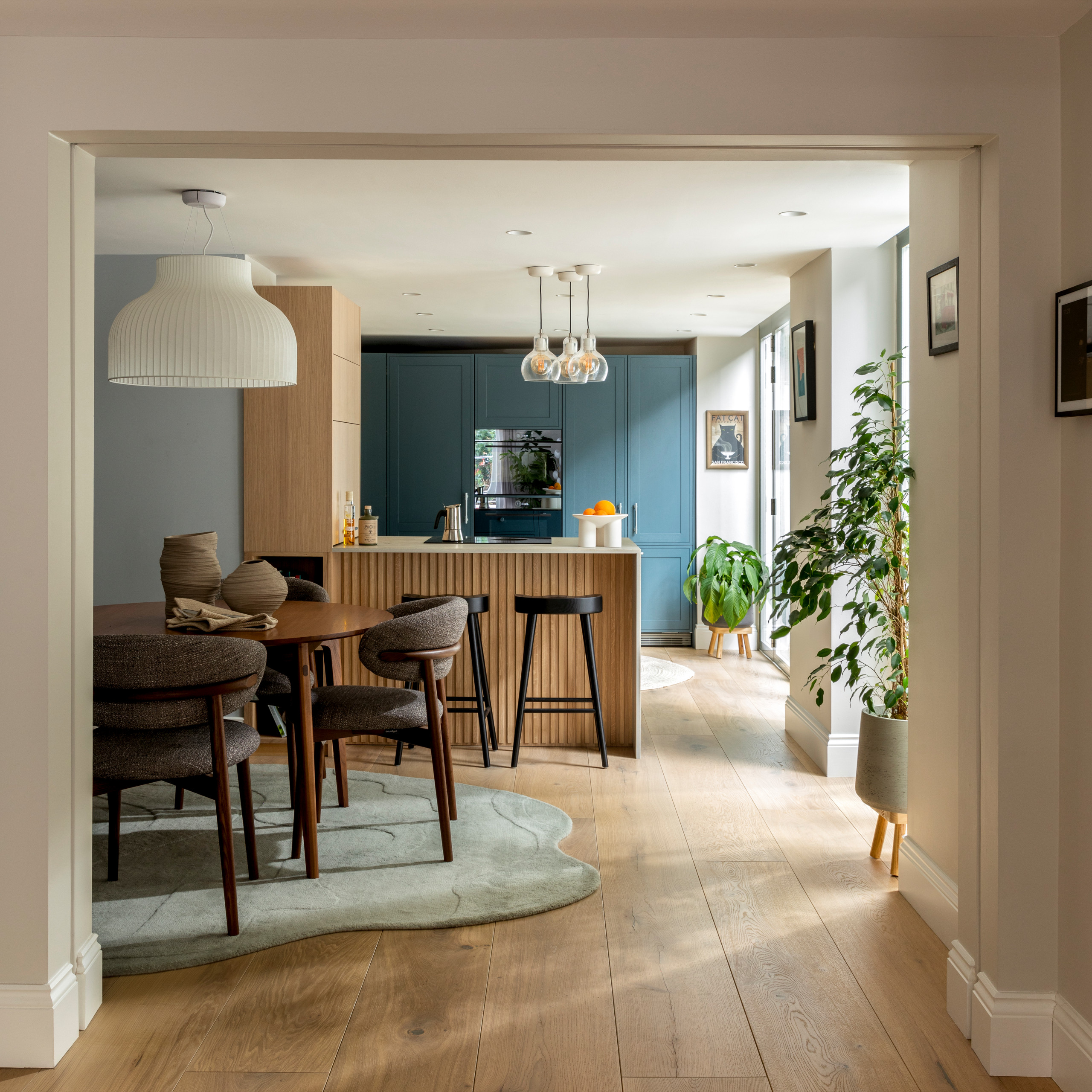
Trends fade, but warmth remains constant. Neutral bases adapt easily to change. Small updates refresh spaces without full redesigns.
This flexibility saves money and reduces stress. Homes grow with their owners instead of demanding constant updates. The timeless appeal of a Cozy warm home interior comes from balance, not novelty.

Final Thoughts on Creating a Cozy Warm Home
A warm home does not demand perfection. It asks for intention, softness, and care. Light, texture, and thoughtful choices shape spaces that feel safe and welcoming.
When designed with purpose, a Cozy warm home interior becomes more than décor. It becomes a place where people relax, connect, and truly feel at home.
Frequently Asked Questions
What is a cozy, warm home interior?
A cozy, warm home interior focuses on comfort, softness, and emotional warmth. It uses gentle colors, layered lighting, natural textures, and thoughtful layouts to create a welcoming living environment.
Which colors work best for a cozy, warm home interior?
Warm neutrals such as beige, cream, soft brown, taupe, and warm gray work best. These colors calm the mind and make spaces feel balanced and inviting.
How can I make my home feel warmer without renovation?
You can add warmth through soft lighting, textured fabrics, warm-toned cushions, rugs, curtains, and indoor plants. Small changes often create a big difference.
Is a cozy, warm interior suitable for small homes or apartments?
Yes. Cozy design works very well in small spaces. Light warm colors, smart furniture placement, and layered lighting help small homes feel open and comfortable.
What type of lighting creates a cozy feeling at home?
Warm, layered lighting works best. Table lamps, floor lamps, and wall lights with warm bulbs create comfort and reduce harsh shadows.
Can modern homes also feel cozy and warm?
Yes. Modern homes feel cozy when clean lines are balanced with soft textures, warm colors, and natural materials like wood and fabric.