

The first snow of the season always feels quiet. One evening, I stood near the window and watched snowflakes drift slowly to the ground. Street noise faded. The world felt softer. Inside, my home felt different too. The white outside reflected gentle light indoors. Curtains glowed. The room felt calm, almost peaceful.
That moment showed me how powerful winter atmosphere can be. Interior designers at Architectural Digest often say snow changes how we experience light and space indoors. That feeling inspired this guide on a Snowy aesthetic home, where calm, softness, and winter beauty come together.
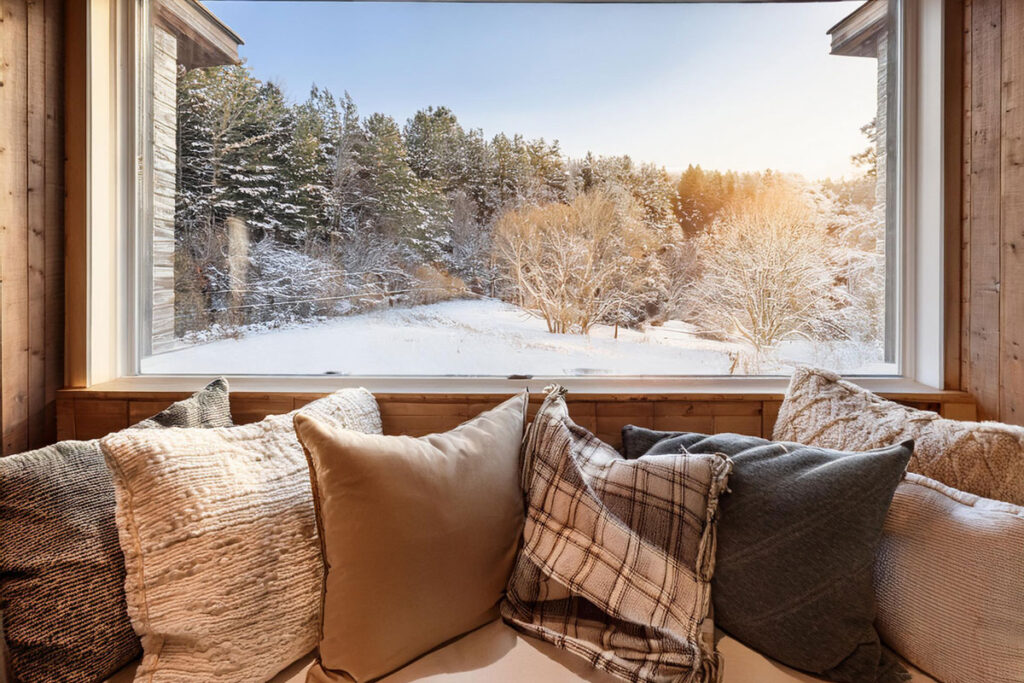

Soft Light Is the Foundation of a Snowy Aesthetic Home
Snow reflects light like a mirror. Inside the home, harsh lighting breaks the mood. Soft light supports it. Table lamps, floor lamps, and candles work best during winter. Real Simple explains that warm lighting helps rooms feel safe and relaxing during cold months. Use warm bulbs. Avoid bright ceiling lights at night. Let corners stay gentle and dim.
This lighting approach defines a Snowy aesthetic home, where the glow feels natural and calm.


Winter Whites and Cool Neutrals Set the Mood
Color matters more in winter. Snowy homes feel best with whites, soft grays, pale beige, and light wood tones. These shades reflect daylight and echo the outdoor snow.Elle Décor highlights that cool neutrals make rooms feel open and peaceful. Add contrast with small touches like muted blue or soft charcoal.
This palette supports a Snowy aesthetic home without feeling cold or empty.


Layering Textures for Warmth and Balance
Snowy style should feel soft, not icy. Texture brings warmth. Blankets, cushions, rugs, and throws balance cool colors with comfort. Choose knits, faux fur, wool, or fleece. Layer a throw on the sofa. Add pillows with subtle patterns. Place a soft rug underfoot.Design experts say texture creates emotional warmth. This balance completes a Snowy aesthetic home that feels inviting.
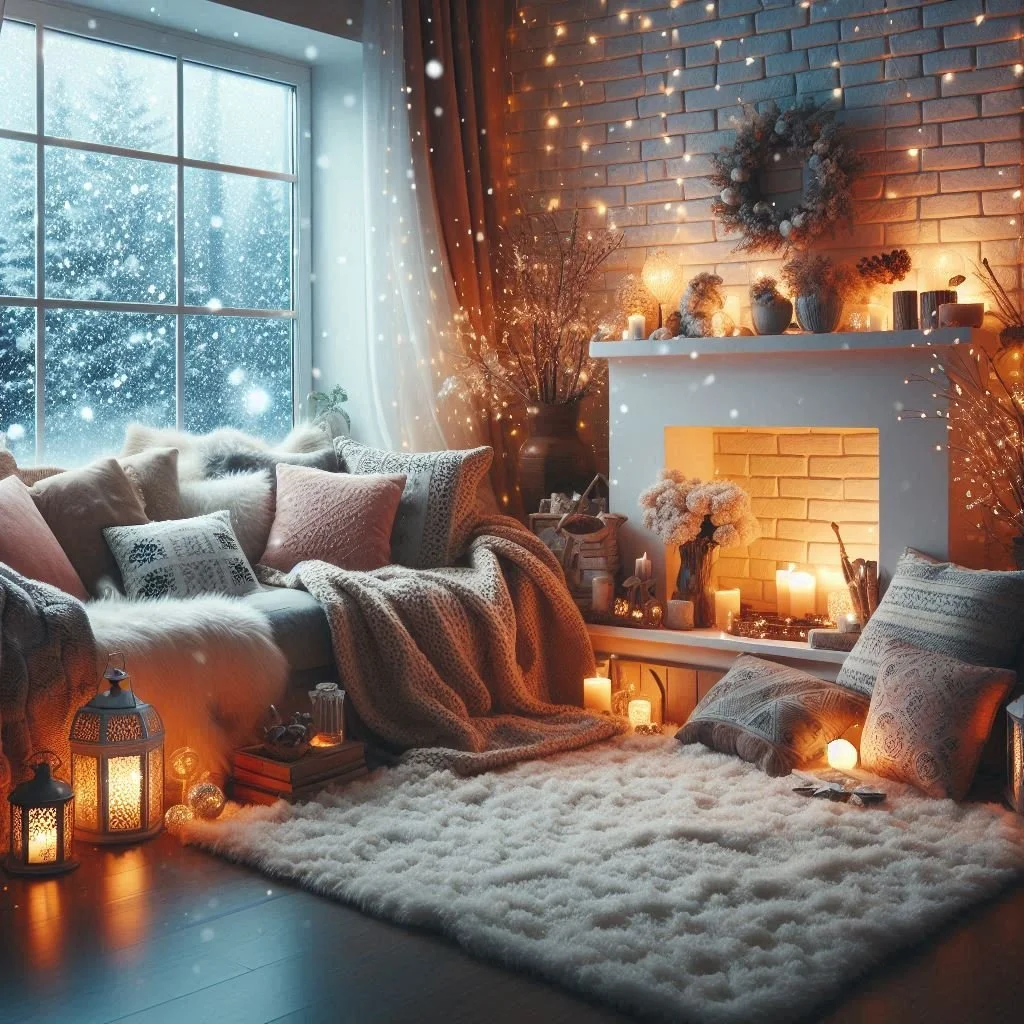

Bringing Nature Indoors During Snowy Days
Nature connects indoors with outdoors. Snow-covered scenes outside inspire simple elements inside. Branches in vases. Pinecones in bowls. Wooden accents on tables. Nordic design principles focus on natural materials during winter. Wood, stone, and dried greenery ground the space.These elements strengthen a Snowy aesthetic home by keeping it organic and calm.

Windows, Curtains, and the Snow View
Windows become art in winter. Snow falling outside adds movement and beauty. Keep windows clean and styling light so the view stays visible. Use sheer curtains or light fabrics. Avoid heavy layers during the day. At night, soft curtains help trap warmth and light.This focus on windows shapes a Snowy aesthetic home, letting winter scenery lead the design.


Creating Quiet Corners for Snowy Evenings
Snow invites slow moments. A chair near the window. A lamp beside it. A blanket waiting. These small corners matter. Designers often recommend “winter pause spaces.” They encourage rest, reading, or quiet thought. These spaces don’t need much, just intention.A peaceful corner adds soul to a Snowy aesthetic home.


Keeping Decor Minimal and Intentional
Snow already creates visual beauty. Inside décor should not compete. Choose fewer items. Place them with care. Architectural Digest notes that winter interiors feel best when space remains open. Empty space lets light move freely. Calm grows naturally.This restraint defines a Snowy aesthetic home that feels balanced, not busy.

How Snowy Homes Create Emotional Comfort
Winter can feel heavy. Short days. Long nights. A snowy home counters that weight with softness and light. When snow falls outside, and warmth waits inside, comfort deepens. Conversations slow. Silence feels safe.That emotional warmth is the real meaning of a Snowy aesthetic home, a place that holds you gently through winter.


FAQs Snowy Aesthetic Home
What is a snowy aesthetic home?
It’s a winter-inspired home style that feels calm, soft, and cozy, inspired by snowfall and quiet winter days.
What colors work best for a snowy aesthetic home?
White, soft gray, beige, light wood, and cool neutral tones work best.
How can I make my home feel snowy without real snow?
Use winter whites, soft lighting, cozy textures, and natural decor like branches or pinecones.
What lighting is best for a snowy aesthetic home?
Warm lamps and soft candlelight work best. Avoid harsh overhead lights.
Are textures important in snowy home decor?
Yes. Blankets, rugs, cushions, and knits add warmth and balance to cool colors.
Can small homes have a snowy aesthetic?
Yes. This style works very well in small spaces because it uses light colors and minimal decor.
Should snowy decor be minimal or detailed?
Minimal. Snow already creates beauty, so indoor decor should stay simple and intentional.
Why does a snowy aesthetic feel calming?
Soft light, quiet colors, and open space reduce stress and create emotional comfort in winter.