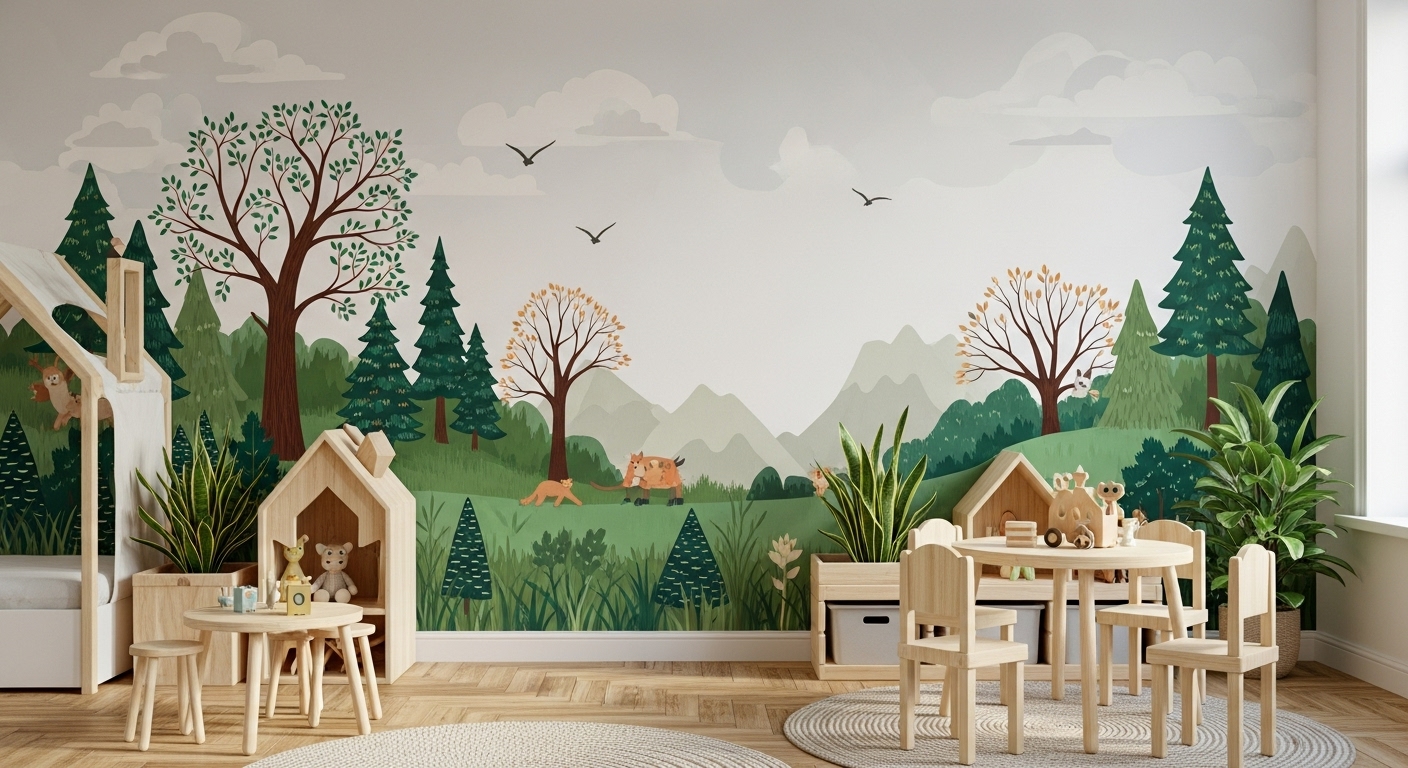
Every room tells a story. And when it comes to a child’s room, that story changes fast. One morning, you look around and see toys that no longer match their age, colors that feel too young, and a layout that doesn’t work anymore. That’s when parents start thinking about a Kids’ Room Makeover, not as decoration, but as a way to support their child’s growth.
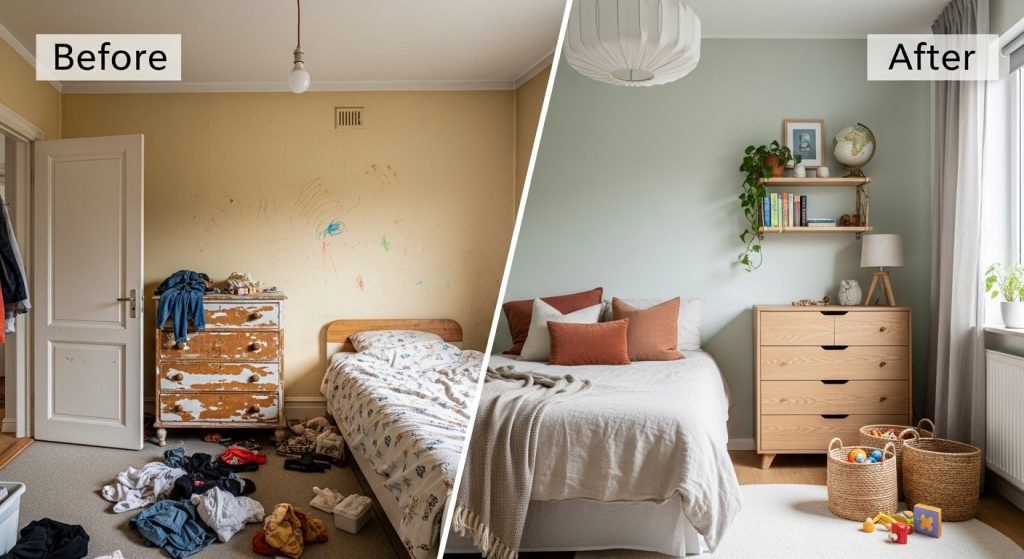
Parents want a space that feels safe and inspiring. Kids want something fun that feels like their own world. When those two needs meet, the transformation becomes meaningful. And the best part is that small changeslike replacing wall art or adding DIY crafts can create a big difference.
Studies from renowned child-development researchers indicate that calm, organized spaces facilitate better sleep and improved focus in children. So this makeover is more than design; it supports real emotional and mental growth.
When you plan the room with intention, you create a space that grows along with your child. This guide will help you make smart choices without stress, using DIY ideas, simple organization, and aesthetic decor tips that fit any budget.
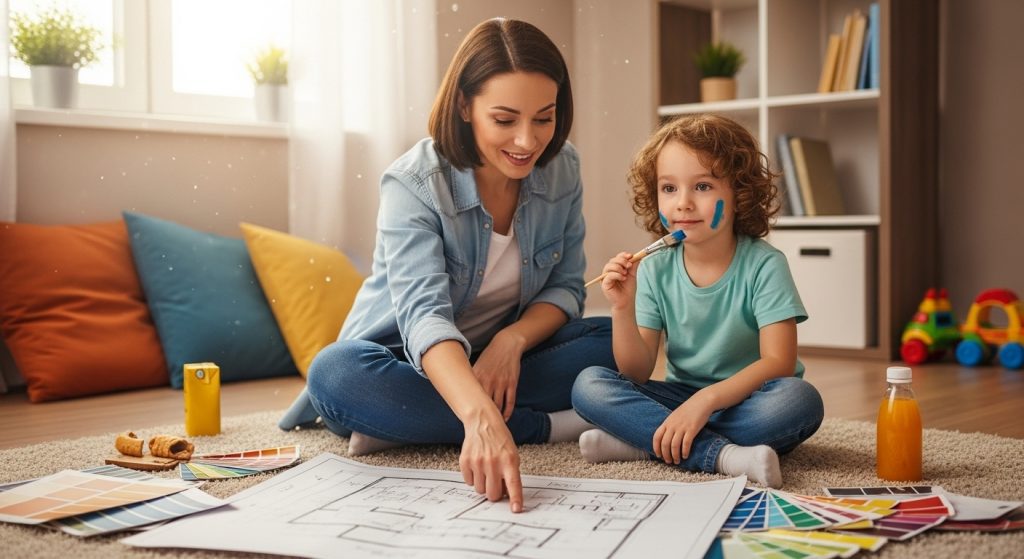
Understanding Your Child’s Needs Before You Begin
Before you choose colors or furniture, you need to understand what your child actually needs. Their interests, daily routine, and learning habits shape the room more than décor ever will.
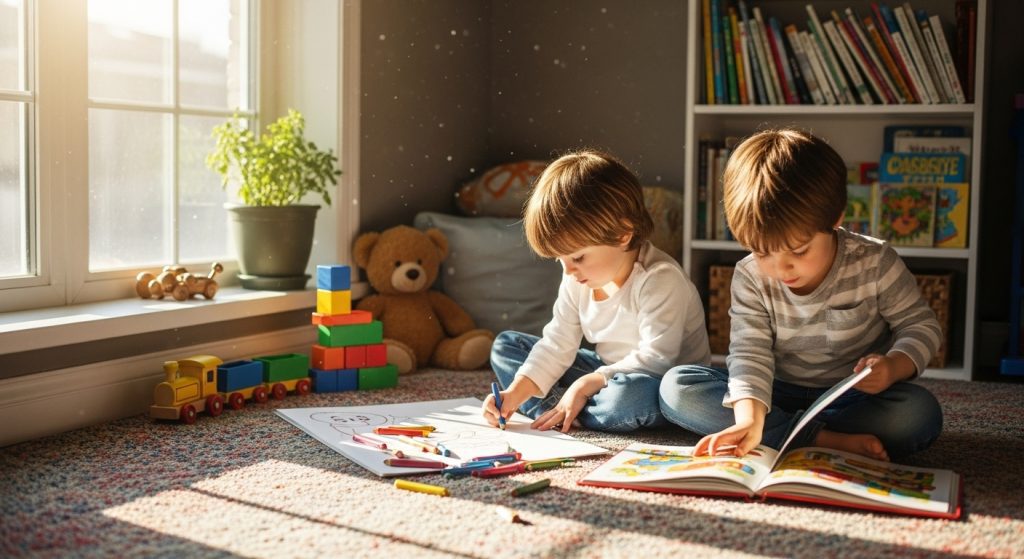
Talk to your child. Ask them what excites them. Maybe they dream of a reading corner or want a space to display their art. When kids feel included, they care for their room better.
Experts from trusted parenting organizations say that giving children voice in their space increases responsibility and independence. So this step prepares you for choices ahead—colors, themes, furniture, organizational tools, and DIY projects.
Once you understand your child’s personality, you can create zones in the room—one for sleep, one for study, and one for play. These zones make the room more functional and easier to maintain.
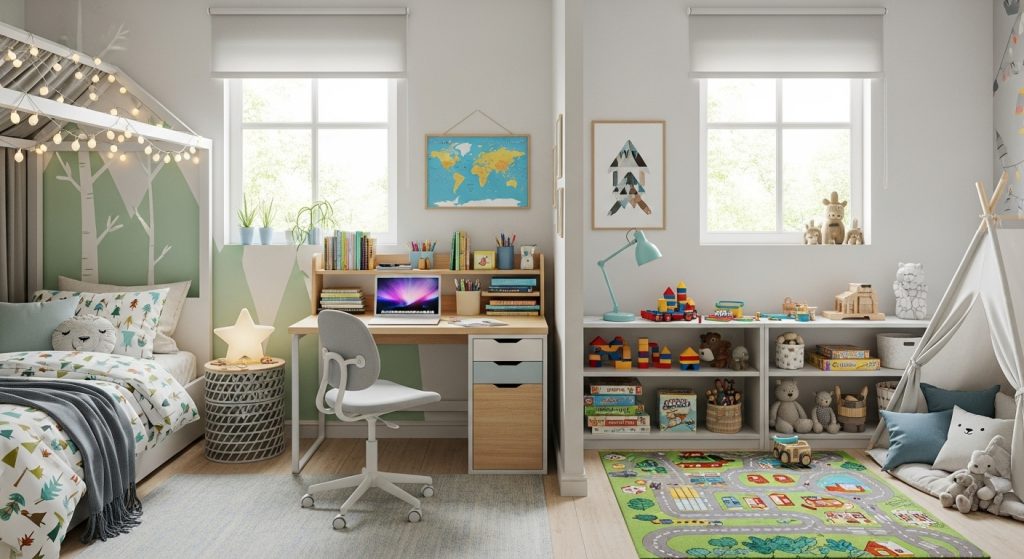
Choosing a Color Palette and Theme
Color sets the tone of the entire room. Soft tones bring calm. Brighter shades create energy. Neutral palettes give you flexibility as your child grows.
Today, parents love themes like nature, space, soft minimalism, woodland, and pastel aesthetics. These themes feel modern, warm, and parent-approved. Children enjoy them because they spark imagination without overwhelming the senses.
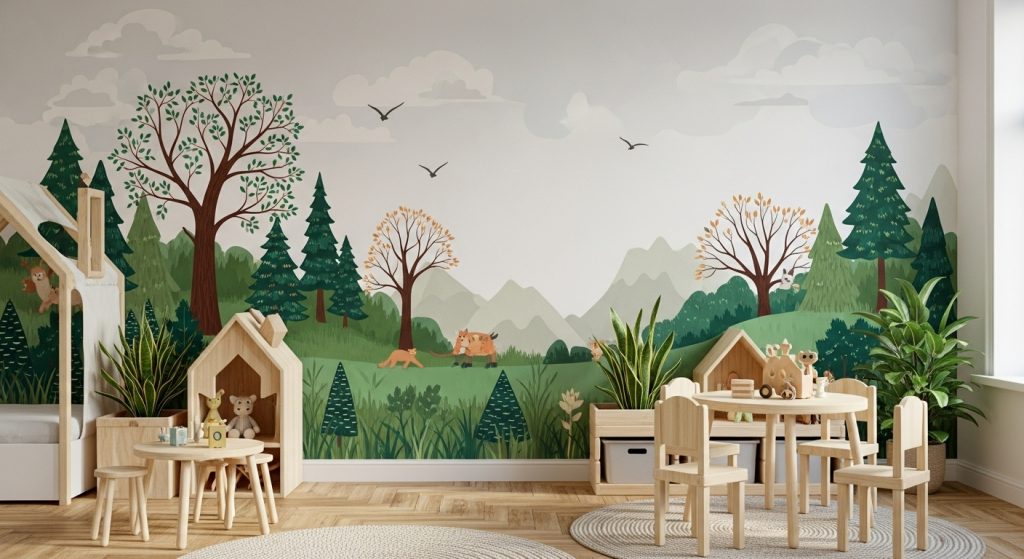
Don’t choose a theme that locks you into heavy designs. Choose something timeless that adjusts as your child gets older. Think of the room as a canvas that your child can add to over time.
Wall décor is powerful. Removable wall decals, framed illustrations, or DIY wall art can transform the room in minutes and cost very little.
DIY Projects That Add Personality
DIY projects make the room feel personal. Kids love handmade things because they reflect care and creativity.
One simple idea is a handmade wall hanging. You can use yarn, beads, or felt. Another idea is painting a large canvas with simple shapes. Children enjoy being part of this process.
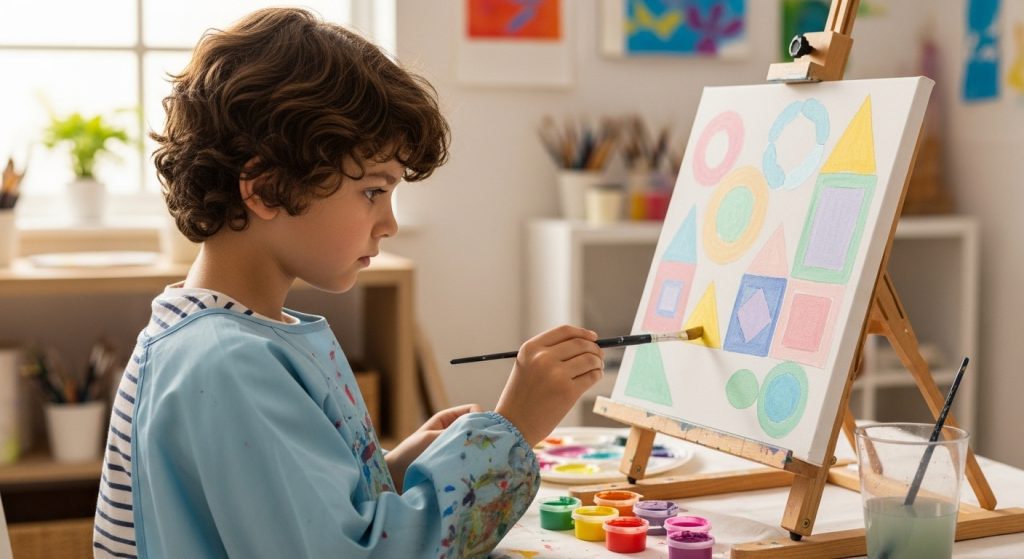
Upcycling is another smart DIY move. You can repaint an old shelf, add stickers to a dresser, or make a cozy reading tent using curtains and fairy lights.
Parents love DIY because it adds meaning and reduces waste. You also create memories while designing the room together.
Furniture That Fits Their Stage of Growth
Furniture should grow with your child. Adjustable desks, durable storage units, and beds with built-in drawers are smart long-term choices.
When furniture matches your child’s height and routine, they navigate their room easily. This builds independence and responsibility.
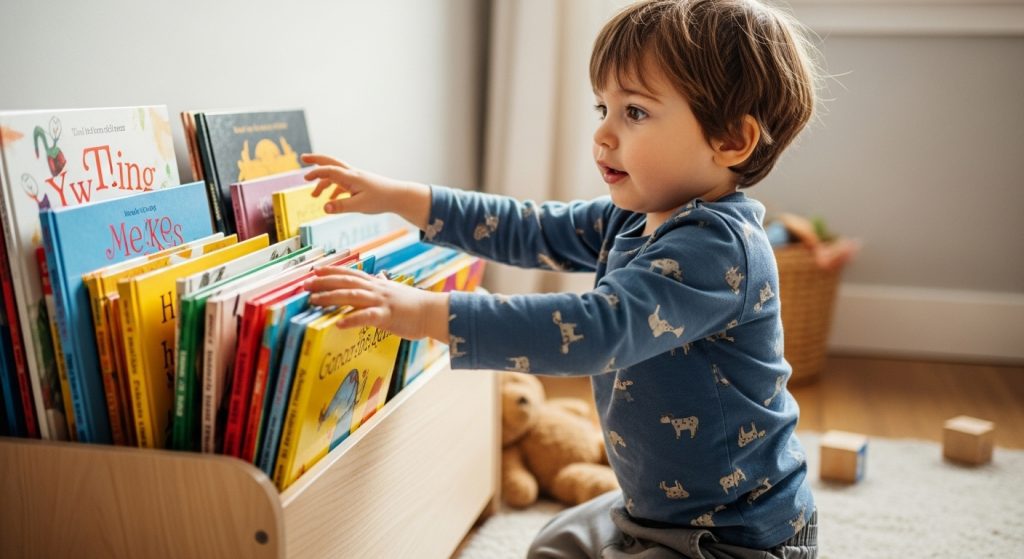
Choose furniture with rounded edges for safety. Soft rugs and cushioned seating make the room comfortable for play and reading.
If the room is small, multifunctional furniture like loft beds or foldable tables saves space and creates an open feel.
Smart Storage and Organization
A tidy room feels calm. Smart storage helps children stay organized without effort.
Use bins, baskets, drawer dividers, and open shelving to keep everything in its place. Children learn to clean up when the system is simple.
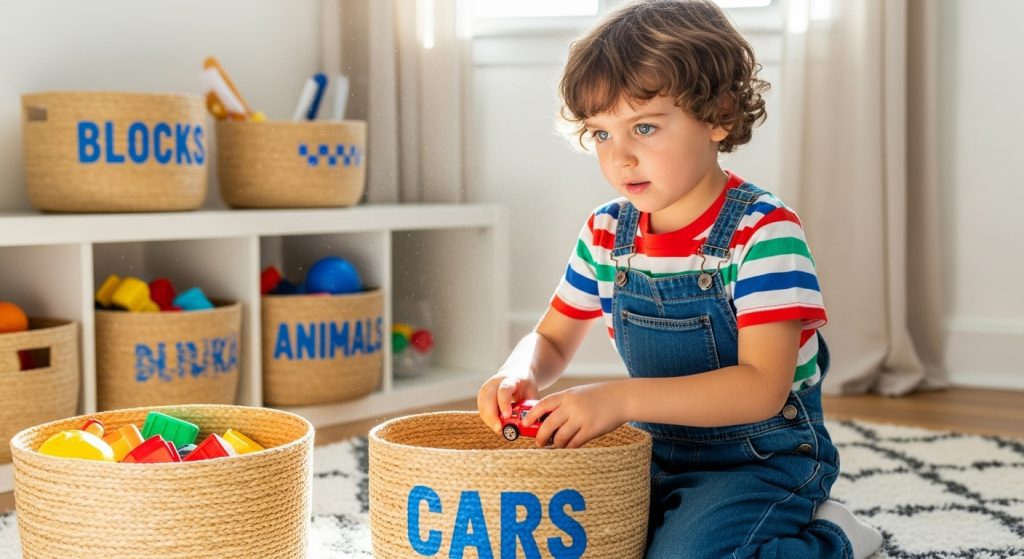
Experts agree that children concentrate better when clutter is reduced. So storage is not optional—it shapes behavior.
Rotate toys every few weeks. This keeps the room fresh without buying more things.
Lighting and Final Styling
Lighting completes the mood of the room. Soft warm lights create peace. Desk lamps support study time. Night lights help children feel safe while sleeping.
Add textiles that feel soft and comfortable—bedding, throws, curtains, and rugs. These elements add warmth and depth to the room.
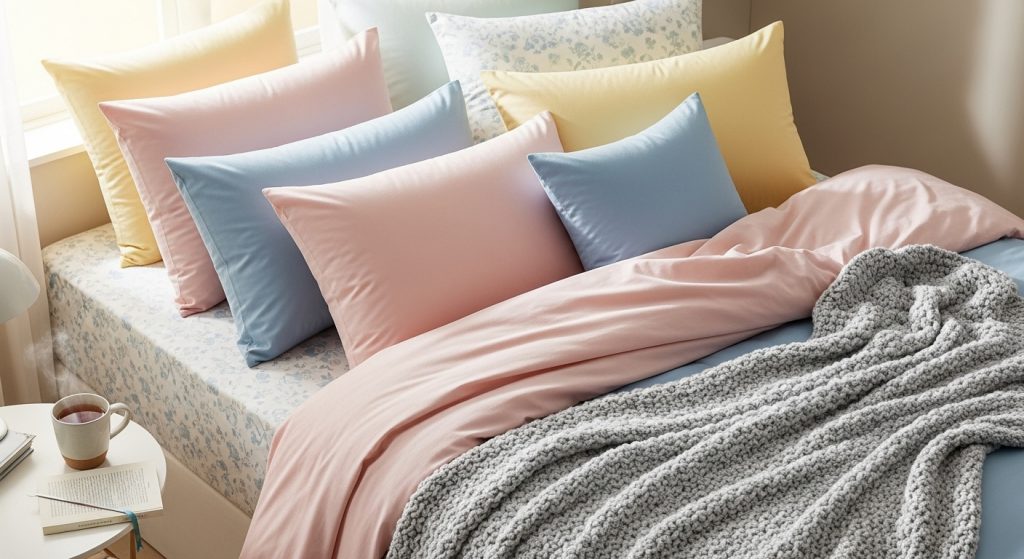
Now style the room with books, framed photos, handmade decor, and little pieces that show your child’s personality. This is where the room truly becomes theirs.
When all pieces come together, the room becomes more than a room. It becomes a place where your child feels loved, understood, and inspired. A successful makeover does exactly that.
Conclusion
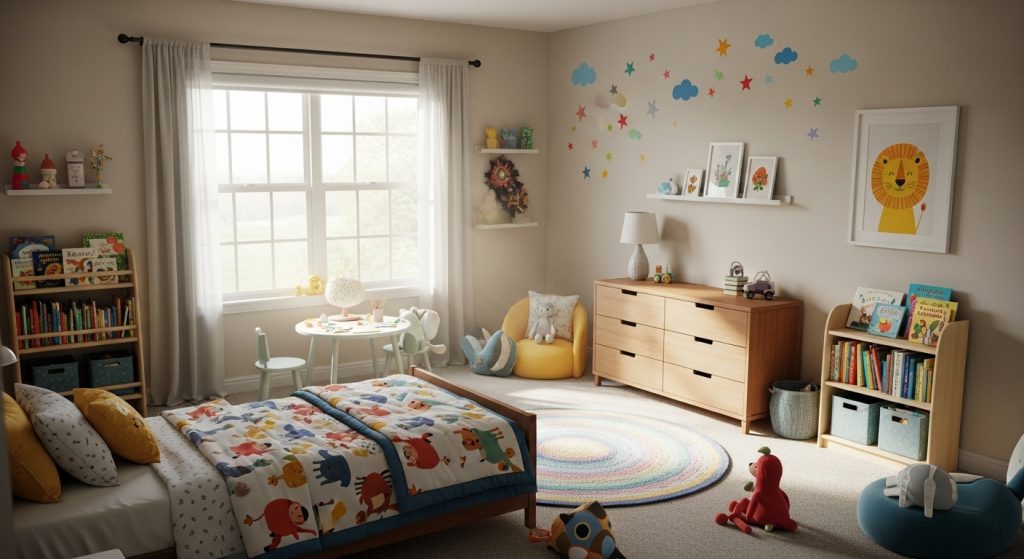
A Kids’ Room Makeover doesn’t need to be overwhelming. When you understand your child’s needs, choose an aesthetic direction, add DIY touches, and organize with intention, the transformation becomes joyful. The room becomes a memory, a comfort, and a place where your child grows into who they are meant to be.
FAQs for Kids Room Makeover DIY | Aesthetic Decor Inspiration
What is the best age to start a Kids Room Makeover?
You can start a makeover at any age, but most parents update the room when their child turns 4–7. That’s the stage when kids develop stronger interests and routines. A makeover at this age supports better sleep, focus, and independence.
How can I makeover my child’s room on a small budget?
You can save money by repainting old furniture, using removable wall decals, adding DIY art, and organizing with affordable baskets or boxes. Even small updates—like bedding or lights—can change the look of the room instantly.
What colors are best for a kids’ room?
Soft colors like pastels, light greens, sky blue, beige, and lavender create a calm and warm mood. These colors also grow well with your child and don’t feel too young as they get older.
How do I choose a theme for my child’s room?
Talk to your child about what they like—nature, space, animals, or soft minimal designs. Choose a simple theme so you can update it easily as they grow. A flexible theme saves money in the long run.
What furniture is essential for a kids’ room?
The basics include a safe bed, a study desk, a comfortable reading area, and accessible storage. Furniture with rounded edges and built-in storage is the most practical for kids.
How can I make my child’s room more organized?
Divide the room into zones—sleep, study, and play. Use labeled bins, open shelves, and drawer dividers. Kids naturally stay more organized when everything has a clear place.