Running outfits for cold weather are the difference between dreading your run and loving it — and beginners often get layering wrong by wearing either too much or too little. The golden rule: dress for 10–15 degrees warmer than the thermometer says, since your body heats up fast. That means breathable base layers, insulating mid-layers, and wind-blocking outers you can strip as you warm up. These twenty beginner-friendly cold-weather running outfits cover every temperature and condition, so you can lace up with confidence all winter long. Below, each outfit is matched to specific temperature ranges and conditions, so you always know exactly what to wear. We’ve focused on affordable, beginner-friendly pieces — no specialty gear required — and included the layering principles behind each combination. Once you understand the system of base, mid, and outer layers, getting dressed for a winter run becomes second nature. Let’s build your cold-weather running wardrobe from the ground up.
Thermal Base Layer + Leggings

A thermal base layer with leggings is the foundation of every cold-weather running outfit. The fitted thermal top traps body heat while wicking sweat, and standard running leggings handle the lower half down to about 40°F. Look for tops labeled “thermal” or “midweight” with a mock neck for extra coverage. Key pieces: a moisture-wicking thermal long-sleeve and your favorite running leggings. This suits beginners running in cool fall weather and is the base you’ll build on as temperatures drop. Avoid cotton — it holds sweat and chills you. Merino or synthetic blends are the beginner-friendly fabrics that make winter running comfortable. Flatlock seams prevent chafing, which matters even more in winter when you’re wearing more layers.
Thermal Top + Windbreaker
Adding a lightweight windbreaker over a thermal top handles the wind chill that makes cold runs feel brutal. Wind is the real enemy — it strips warmth fast — and a thin windbreaker blocks it without overheating you. Choose a windbreaker with ventilation panels or a mesh back. Key pieces: a thermal base layer and a packable windbreaker you can tie around your waist if you warm up. This suits beginners running in 35–50°F weather, especially on exposed routes. The windbreaker also doubles as light rain protection. It’s one of the most versatile pieces a new winter runner can own. A windbreaker with a droptail hem protects your lower back from cold gusts on exposed routes.
Fleece-Lined Leggings + Half-Zip
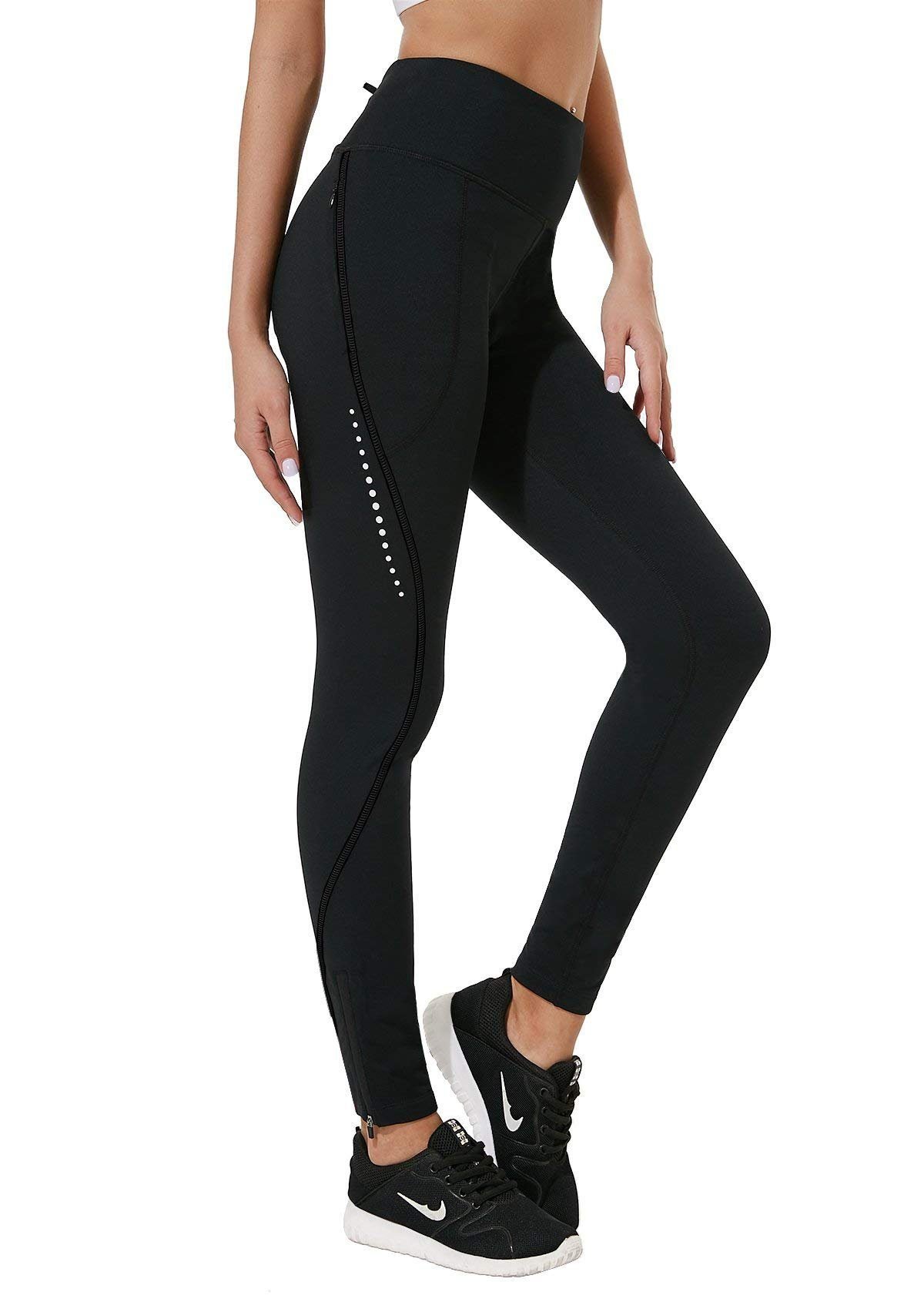
Fleece-lined leggings with a half-zip pullover is the cozy, simple uniform for runs in the 30s. The brushed fleece interior of the leggings adds serious warmth without bulk, and the half-zip lets you vent heat as you warm up. Key pieces: fleece-lined or “winter” running tights and a midweight half-zip pullover. This suits beginners who run cold or are heading out in freezing temperatures. The half-zip is key — full zips flap, and pullovers without zips overheat. This combination alone handles most winter runs for beginners, no complicated layering required. Look for leggings with a brushed fleece interior and a wide waistband that stays put while you run. The brushed interior feels soft against skin, so there’s no need for an extra base layer underneath.
Layered Long Sleeve + Tank

Layering a tank over a long sleeve gives you adjustable warmth and looks great too. Start with a fitted long-sleeve base, add a loose running tank on top — the double layer traps warm air between the fabrics. If you overheat, the tank comes off easily and ties around your waist. Key pieces: a thin long-sleeve base layer and a breathable running tank. This suits beginners in transitional weather (45–55°F) who aren’t sure how much they need. It’s also a budget-friendly approach since you can use pieces you already own. The layered look is classic running style that works from fall through spring. Choose a tank with a slightly relaxed fit so it layers smoothly over the long sleeve without bunching.
Insulated Tights + Winter Jacket

Insulated tights with a proper winter running jacket is your outfit for truly cold days — below freezing. Insulated tights have wind-blocking front panels, and a winter running jacket adds light insulation with full wind protection. Key pieces: winter-weight running tights and an insulated running jacket (not a bulky ski coat — you need arm mobility and breathability). This suits beginners committed to running through real winter. The jacket should have a high collar, thumbholes, and zippered pockets. With this combination, 20°F feels completely manageable. Add a hat and gloves and you’re set for the coldest beginner-friendly conditions. Thumbholes in the jacket sleeves keep your wrists covered and stop cold air from sneaking up your arms.
Warm-Up Set + Reflective Gear

A warm-up set with reflective gear is essential for beginners running in dark winter mornings or evenings. A matching warm-up jacket and pants keeps you cozy for the first cold mile, and reflective details keep you visible to traffic. Key pieces: a warm-up set and a reflective vest or jacket with 360-degree reflectivity. This suits beginners who run before or after work in winter, when daylight is scarce. Visibility is a safety essential, not an accessory — choose gear with reflective strips, not just bright colors. The warm-up set also layers well: strip the jacket once you’re warm and tie it around your waist. A headlamp paired with reflective gear makes you fully visible on the darkest winter routes.
Hooded Running Jacket + Leggings
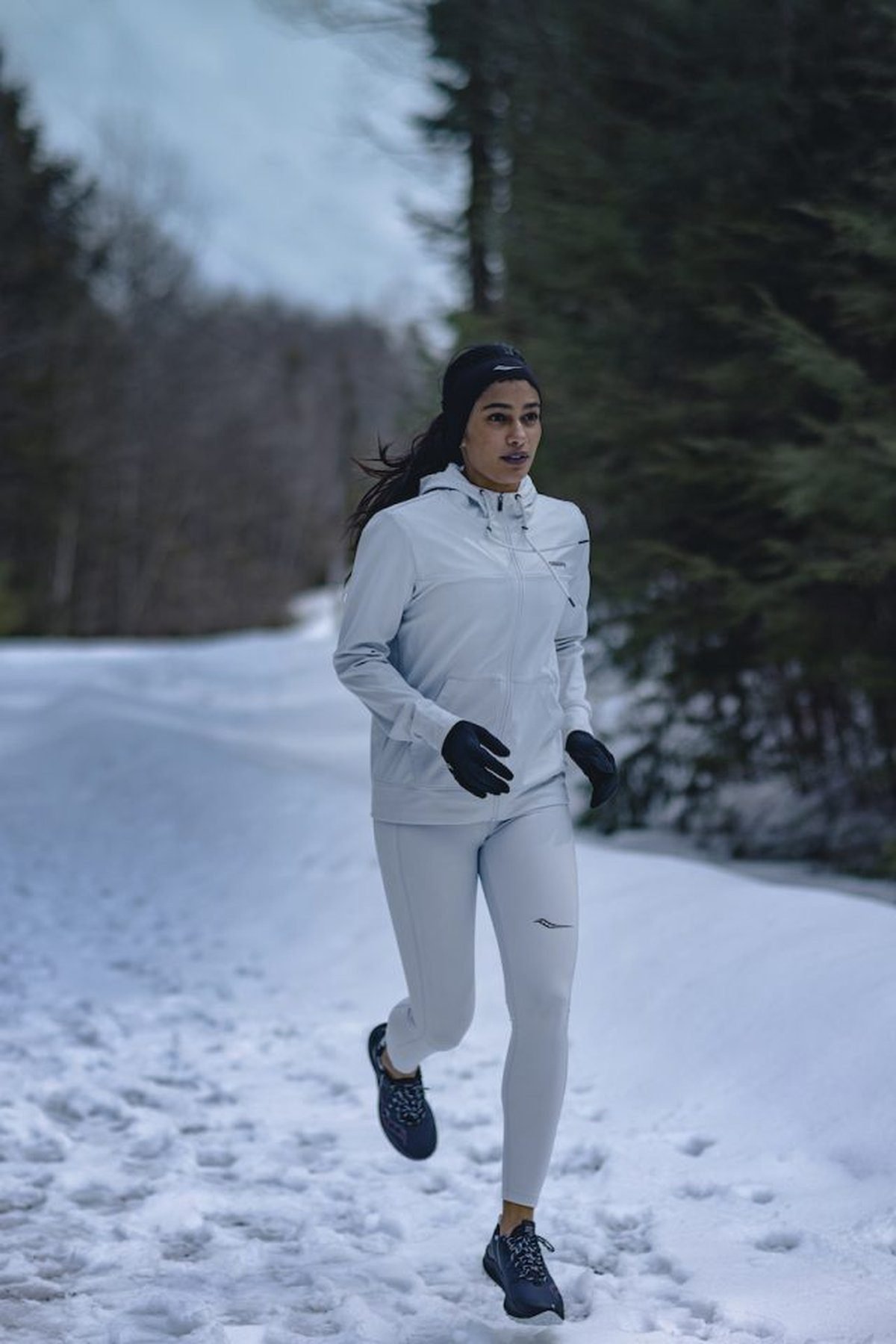
A hooded running jacket with leggings handles cold, wind, and light precipitation in one piece. The hood is the standout feature — it protects your ears and neck without a separate hat, and it stays put while you run. Look for a jacket with a scuba-style hood that fits snugly. Key pieces: a weather-resistant hooded running jacket and standard or winter leggings. This suits beginners in windy, drizzly winter climates. The jacket’s versatility means fewer pieces to think about — a real advantage when you’re new to cold-weather running. Make sure the jacket is running-specific: breathable, lightweight, with a droptail hem. Make sure the hood fits snugly — a loose hood bounces distractingly and lets cold air in.
Compression Base Layers
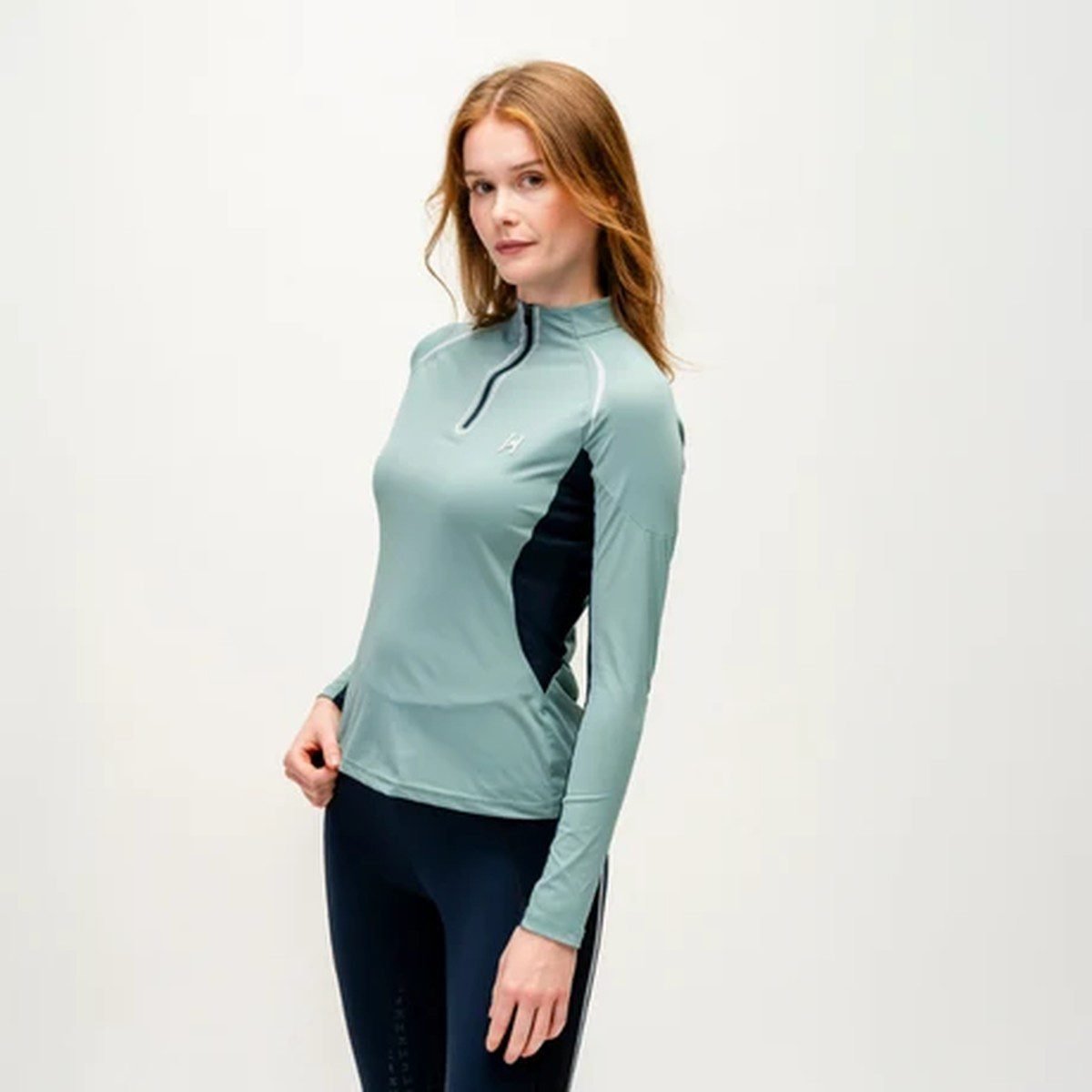
Full compression base layers — top and bottoms — are the minimalist’s cold-weather running outfit. The skintight fit eliminates drafts, wicks sweat efficiently, and provides light muscle support. On moderately cold days (35–45°F), compression layers alone may be all you need. Key pieces: compression long-sleeve top and compression tights or leggings. This suits beginners who run hot or dislike bulky layers. The streamlined fit also layers perfectly under other pieces when it gets colder — compression is the ideal foundation layer. Choose flatlock seams to avoid chafing on longer runs. Compression tops with a mock neck add welcome coverage on cold days without needing a scarf. Look for tops with a slightly higher neckline for extra coverage on the coldest mornings.
Softshell Winter Jacket

A softshell winter jacket is the sweet spot between a windbreaker and an insulated coat — stretchy, wind-resistant, and lightly warm. Softshell fabric moves with you and breathes better than hardshell, making it ideal for running. Pair it with a base layer underneath and leggings below. Key pieces: a running-specific softshell jacket and a moisture-wicking base layer. This suits beginners running in 25–40°F weather who want one jacket that does it all. The stretch is the key advantage — no restriction in your arm swing. Look for one with a high collar and hand pockets for the coldest miles. The stretch in softshell fabric means zero restriction in your arm swing, even with layers underneath.
Ear Warmer + Gloves + Layers
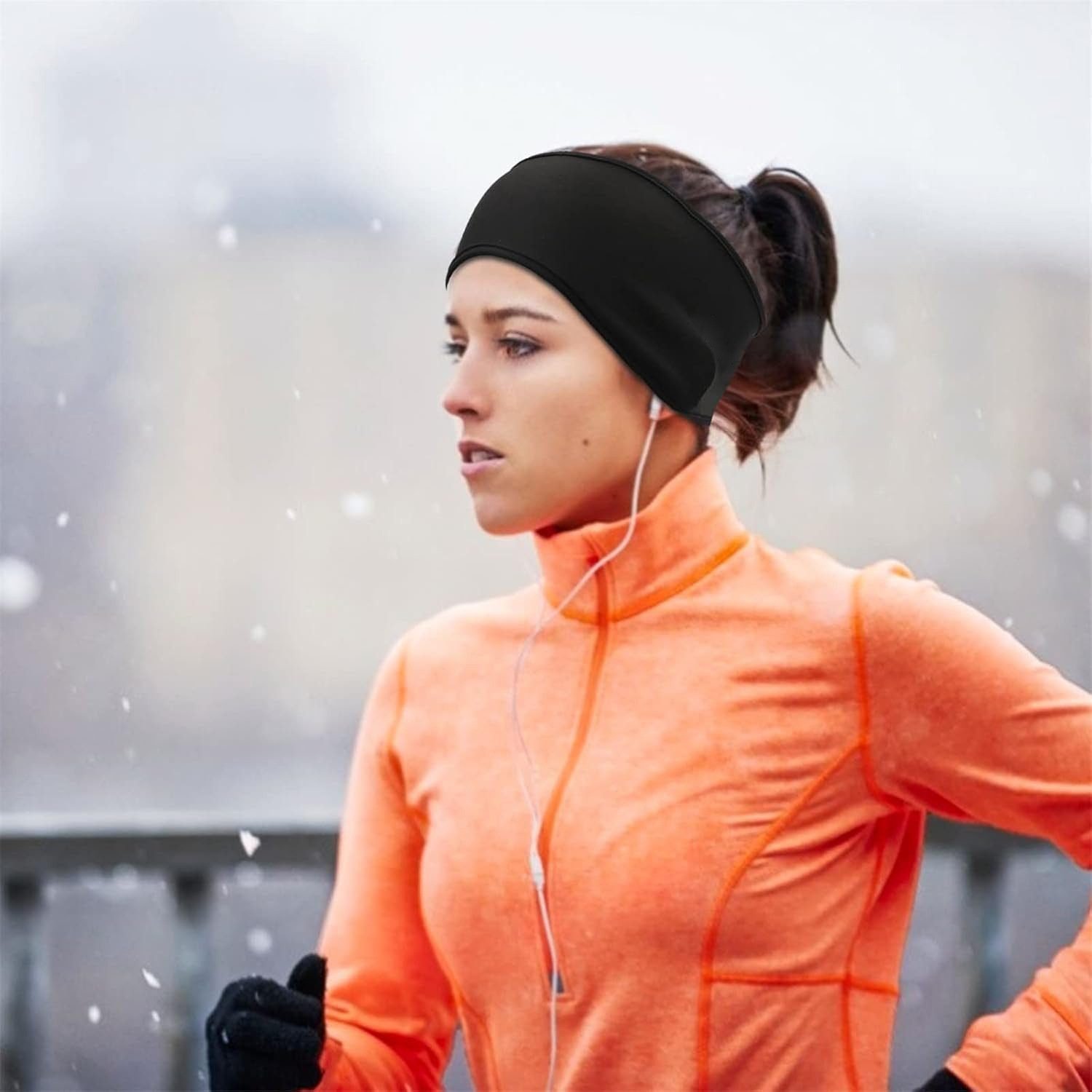
Sometimes the outfit is less about the clothes and more about the accessories: an ear warmer, gloves, and smart layers make any running outfit winter-ready. Extremities get cold first, so covering your ears and hands transforms your comfort dramatically. Key pieces: a fleece ear-warmer headband, lightweight running gloves (touchscreen-compatible), and your usual layered outfit. This suits beginners who already own running clothes and just need to winterize them. The ear warmer is often better than a hat for runners — it stays put, doesn’t overheat your head, and fits under hoods. Toss the gloves if your hands warm up; they’re small enough to stash in a pocket. Touchscreen-compatible gloves let you check your running app without exposing your hands to the cold.
Thermal Leggings + Running Vest

Thermal leggings with a running vest is the perfect outfit for cold days when your core needs warmth but your arms run hot. The insulated vest keeps your torso warm while your arms stay free — many runners overheat in full jackets. Key pieces: winter-weight thermal leggings and an insulated running vest with a high collar. This suits beginners who naturally run warm or are doing tempo runs and workouts where overheating is a risk. The vest also layers beautifully: add a base layer under it in deep cold, or wear it over a long sleeve in milder weather. It’s one of the most versatile cold-weather pieces you can own. A vest with a high collar protects your neck, eliminating the need for a separate scarf on most days.
Merino Wool Base Layer
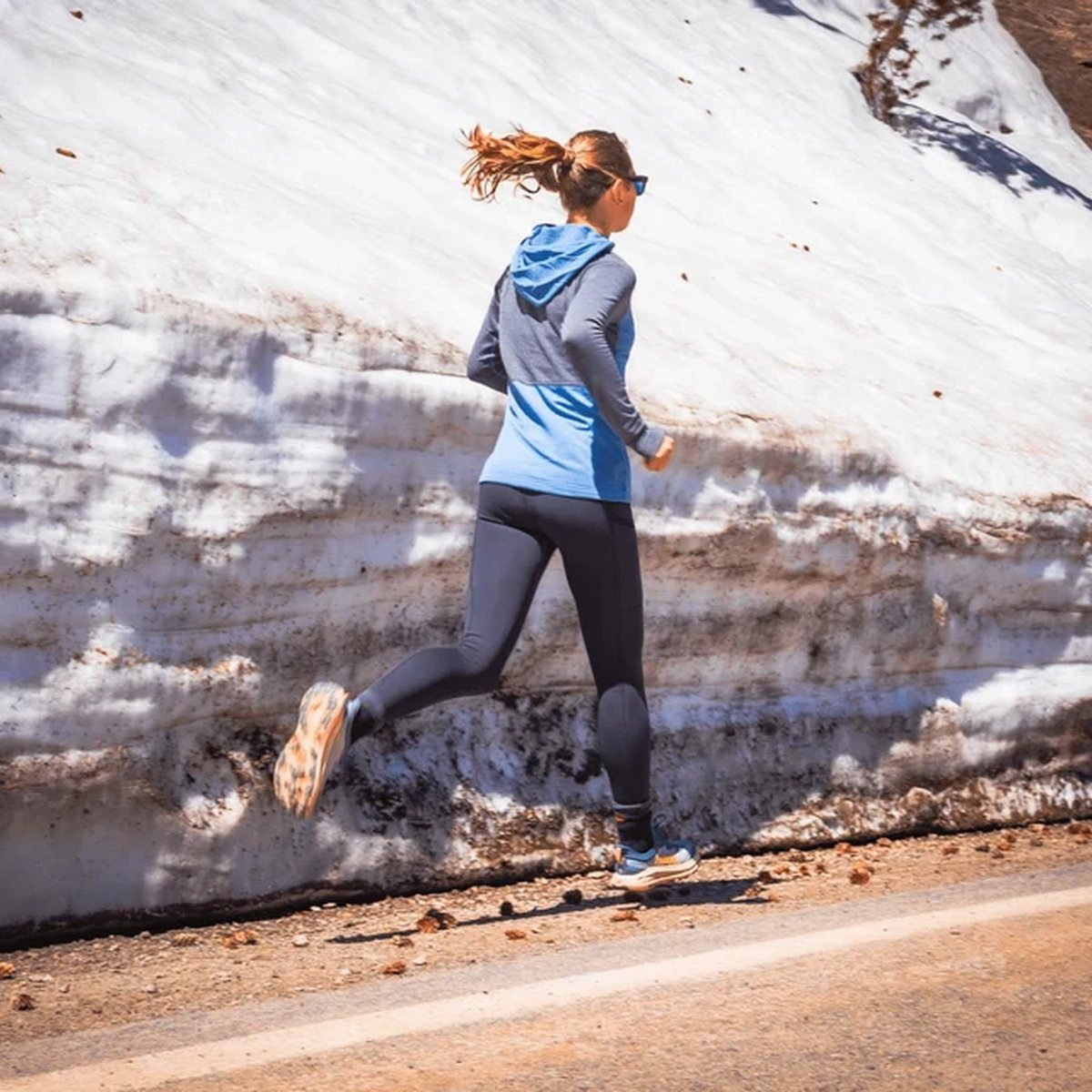
A merino wool base layer is the premium beginner upgrade for cold-weather running. Merino regulates temperature naturally, resists odor (so you can wear it multiple times), and stays warm even when damp — unlike cotton. Pair a merino long-sleeve with leggings and you’re set for most winter runs. Key pieces: a 150–200 weight merino wool long-sleeve top. This suits beginners willing to invest in one quality piece that transforms winter running comfort. Merino is also incredibly soft — no itch. While pricier than synthetics, a single merino top worn twice a week all winter is genuine value. It’s the fabric serious winter runners swear by. Merino’s natural odor resistance means you can wear the same top for several runs between washes.
Waterproof Shell + Layers

A waterproof shell over your layers is non-negotiable for beginners running in winter rain or wet snow. Getting soaked in cold weather isn’t just uncomfortable — it’s dangerous. A waterproof-breathable running shell keeps rain out while letting sweat escape. Key pieces: a waterproof running jacket (look for sealed seams and a hood) worn over your normal cold-weather layers. This suits beginners in rainy winter climates who don’t want weather to cancel runs. The key distinction: water-resistant isn’t enough for real rain — you want fully waterproof. The shell also blocks wind completely, making it doubly useful on dry, gusty days. Sealed seams are what separate a truly waterproof jacket from one that merely resists light rain.
Bright Neon for Visibility

Bright neon colors aren’t just style — in winter’s dim light, they’re safety equipment. A neon top, jacket, or vest makes you visible to drivers in the gray half-light of winter mornings and evenings. Key pieces: at least one high-visibility neon piece (top, vest, or jacket) in yellow, orange, or pink. This suits every beginner running in low-light winter conditions. Combine neon with reflective details for maximum visibility — neon works in daylight and dusk, reflectives work when headlights hit. Many winter running pieces now come in neon colorways, so you don’t have to sacrifice style for safety. Being seen is the most important feature of any winter running outfit. Many winter running pieces now come in neon colorways, so safety doesn’t require sacrificing style.
Running Joggers + Warm Jacket

Running joggers with a warm jacket is the relaxed-fit alternative to tights that many beginners prefer. Joggers give you room to move and don’t show every curve, which can be more comfortable mentally for new runners. Choose tapered running joggers (not baggy sweats) in a technical fabric. Key pieces: technical running joggers and a warm midweight jacket. This suits beginners who find tights uncomfortable or just prefer a looser fit. Modern running joggers wick sweat and often have zippered pockets — they’re real running gear, not gym sweats. The relaxed fit also layers easily over base-layer leggings on the coldest days. Tapered ankles keep joggers from flapping in the wind and fit easily over running shoes.
Shorts Over Leggings
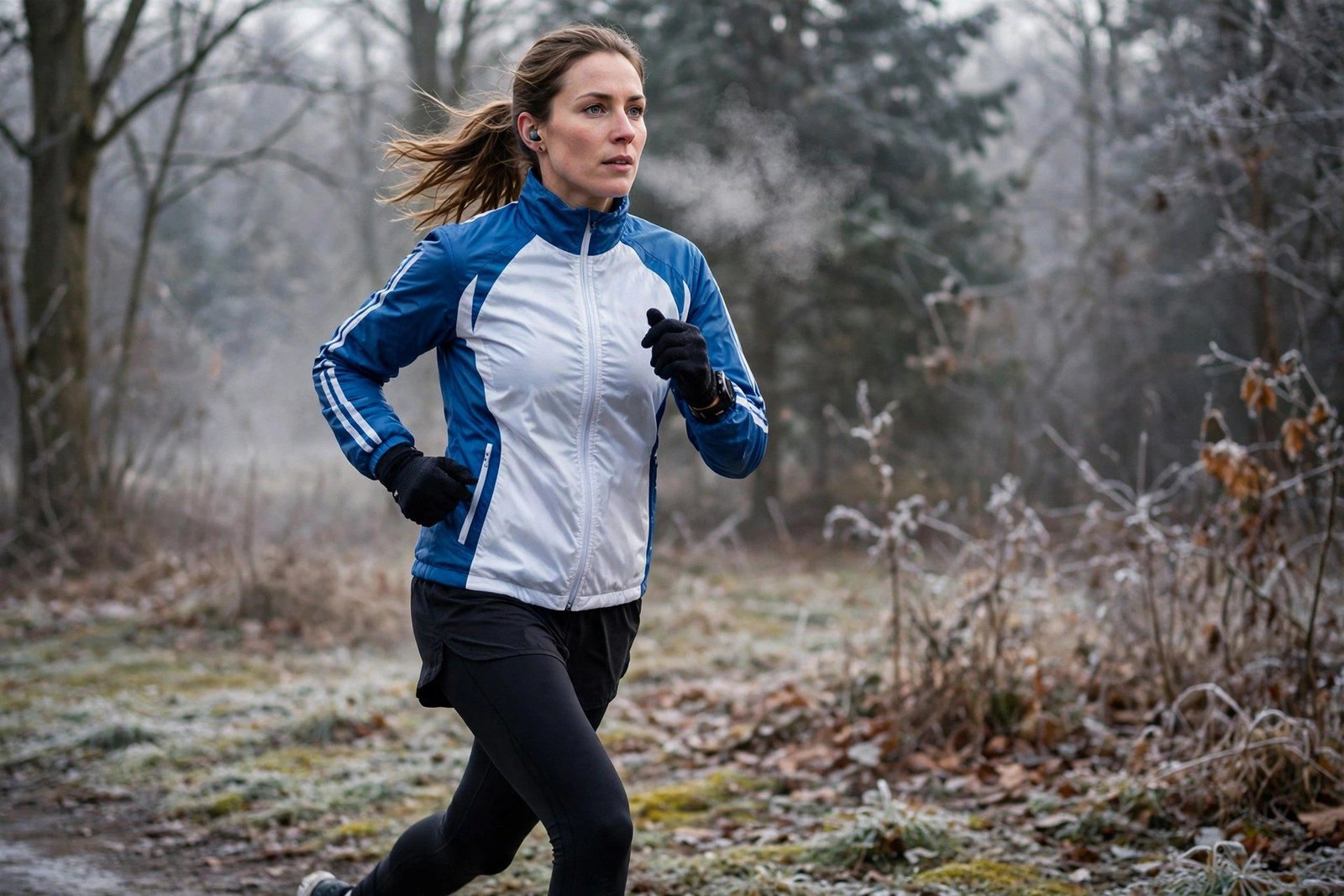
Shorts over leggings is the classic runner’s solution for modesty, extra warmth, and handy pockets. The shorts add a wind-blocking layer over your thighs and give you somewhere to stash a phone or gels. Many beginners feel more comfortable with the extra coverage. Key pieces: running shorts (with a liner or worn over leggings) and your favorite winter leggings. This suits beginners who want more coverage or run in windy conditions where thighs get cold. The double layer on your upper legs adds meaningful warmth. Choose shorts with zippered pockets and you’ve solved the phone-storage problem too. It’s a practical, no-fuss combination that experienced runners use all winter. Shorts with zippered pockets solve the phone-storage problem while adding thigh warmth.
Neck Gaiter + Beanie

A neck gaiter and beanie complete any cold-weather running outfit by sealing the gaps where heat escapes. Your neck and head lose significant warmth, and these two small pieces fix that instantly. The gaiter pulls up over your chin and mouth on frigid days; the beanie keeps your head warm without the bulk of a hood. Key pieces: a fleece or merino neck gaiter and a lightweight running beanie. This suits every beginner running below 40°F. The gaiter is the more versatile piece — wear it as a neck warmer, face covering, or even an ear band. Together they cost little and add enormous comfort. Don’t skip them. A merino gaiter stays warm even if it gets damp from your breath, unlike cotton alternatives.
Windproof Pants + Thermal Top

Windproof pants with a thermal top protect your legs on the gustiest winter days. While leggings handle cold, truly windy days demand a wind-blocking front panel on your lower half — wind cuts right through standard tights. Key pieces: windproof running pants (with front wind-blocking panels and breathable backs) and a thermal top. This suits beginners running in exposed, windy areas — waterfront paths, open fields, bridges. The pants are also great over leggings on the coldest days for double protection. Look for ankle zips so you can pull them on and off over shoes. Wind is the biggest comfort-killer in winter running, and these pants neutralize it. Ankle zips let you pull windproof pants on and off over your shoes without a struggle.
Mid-Layer Fleece + Leggings

A mid-layer fleece with leggings is the simple, warm outfit for easy winter runs. A lightweight fleece pullover over a base layer (or on its own in milder cold) provides cozy insulation that breathes well at easy paces. Key pieces: a lightweight grid fleece or classic fleece pullover and running leggings. This suits beginners doing easy, conversational-pace runs in 30–45°F weather. Fleece is forgiving, affordable, and comfortable — the friendly face of winter running gear. At harder efforts you may overheat, so save the fleece for easy days and use a shell or vest for workouts. For most beginner winter jogging, though, fleece and leggings is perfect. Grid fleece breathes better than classic fleece, making it ideal for runs where your effort varies.
Post-Run Cozy Layer

The post-run cozy layer — an oversized puffer or warm coat waiting for you at the finish — is the most overlooked piece of cold-weather running. Your body cools rapidly when you stop, and standing around in sweaty gear in winter is miserable. Pack a big warm layer to throw on immediately after your run. Key pieces: an oversized puffer jacket or warm parka kept in your car or by your door. This suits every beginner running in winter, no exceptions. The rule: never skip the warm-up or the warm-down layer. Changing out of damp base layers quickly and getting into something dry and warm prevents the post-run chill that ruins otherwise great winter runs.
Cold-weather running is mostly a clothing problem, and now you have the solutions. Start with the golden rule — dress for 10–15 degrees warmer than the thermometer — build from a moisture-wicking base, and add wind protection where it counts. With these twenty outfits in your rotation, winter becomes not something to endure but your favorite running season. Start with what you own, add pieces as winter progresses, and enjoy discovering that cold weather is no reason to stop running.