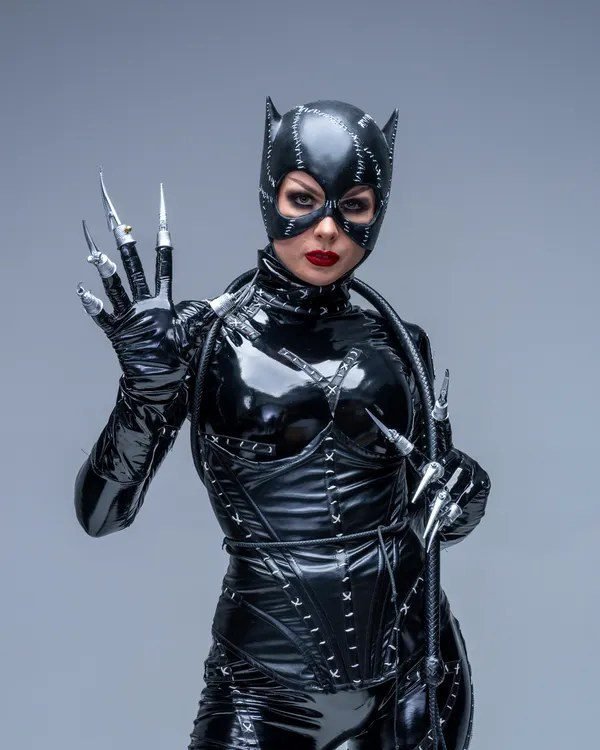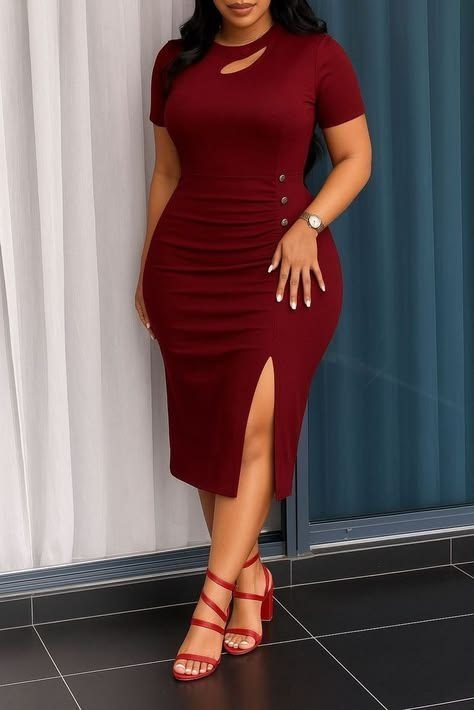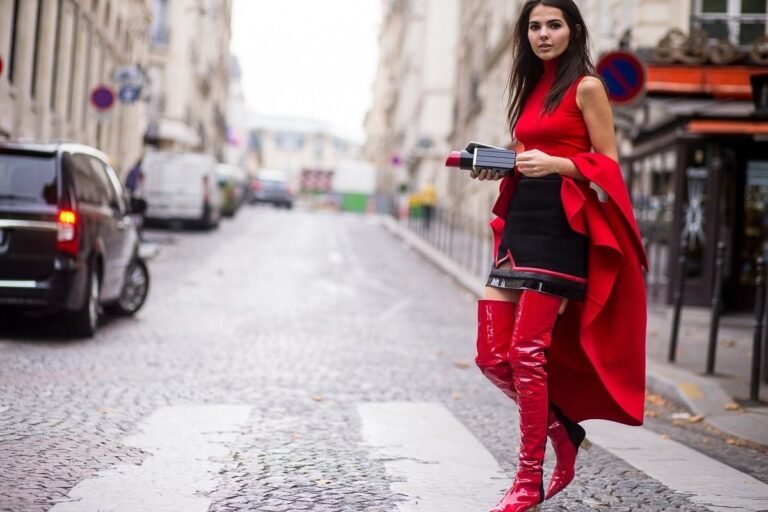
Opera-inspired outfits are about one thing: drama worn with intention. The aesthetic borrows from the stage — velvet gowns, sweeping capes, opera-length gloves, chandelier earrings — and translates it into evening wear for galas, formal weddings, and black-tie nights in 2026. The key is choosing one dramatic element per outfit: the gown or the cape or the gloves, never all three at once, so the look reads elegant rather than costumey. Rich fabrics do the heavy lifting here — velvet, satin, brocade, and lace catch light the way flat fabrics cannot. From the burgundy velvet gown to the women’s tuxedo, these nineteen opera-inspired outfit ideas bring theatrical elegance to real formal nights.
The Burgundy Velvet Gown
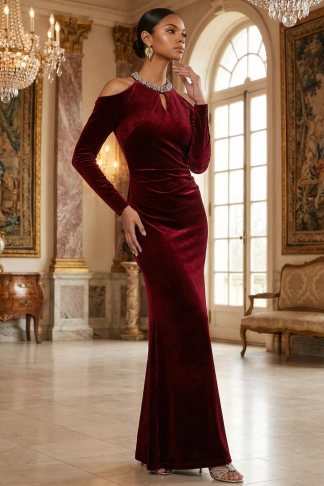
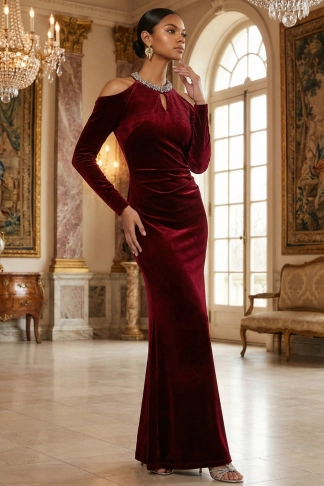
A burgundy velvet gown is the definitive opera-inspired outfit — the fabric that was made for candlelight and curtain calls. Velvet absorbs light and returns it as depth, which is why it photographs beautifully and looks expensive at every price point. A draped or cowl neckline adds the romantic, old-world feel that opera dressing demands; a defined waist keeps the heavy fabric from overwhelming. Burgundy, emerald, and midnight blue are the jewel tones that read most operatic. Floor length is non-negotiable for the full effect — the hem pooling slightly at the shoe. This silhouette suits hourglass and pear figures especially well, skimming the lower body while the neckline draws the eye up. Finish with chandelier earrings and a sleek updo. It is the gown for galas, formal weddings, and any night that deserves drama.
The Opera Coat Over an Evening Dress

An opera coat — full-length, dramatic, often in velvet, brocade, or embellished wool — worn over an evening dress is the entrance-making outfit. The coat is the point: it should have presence, whether through a sweeping silhouette, a rich fabric, or dramatic details like a fur collar or oversized buttons. Underneath, the dress can be simple — a black slip dress or a column gown — because the coat does the talking. At the venue, the coat comes off to reveal the dress; the two-act structure is pure theater. This layering suits every body type because the coat’s long line elongates and the dress beneath can be whatever flatters most. It is the outfit for opening nights, winter galas, and formal events with a grand arrival.
The Dramatic Cape and Gown

A dramatic cape worn over a gown is the most theatrical silhouette in opera-inspired dressing. The cape’s sweeping line creates movement with every step, and worn over a simple column dress, it transforms a plain gown into a statement. Velvet, wool crepe, or embellished capes all work; the key is length — fingertip capes read chic, floor-length capes read operatic. Keep what is underneath slim so the cape’s volume has contrast. The cape suits taller frames naturally, but petite wearers can wear a shorter cape that ends at the hip. Fasten it with a jeweled brooch at the throat for the full diva effect. This is the outfit for formal evenings when a coat feels too ordinary and the entrance matters as much as the event.
The Women’s Tuxedo
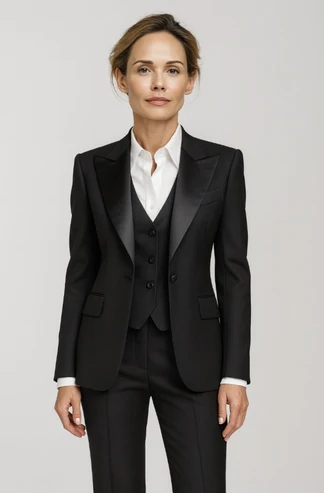
A women’s tuxedo — sharp black tailoring with satin lapels — is the androgynous answer to opera elegance. The look channels the leading lady who commands the stage: a fitted jacket, slim or wide-leg trousers, and a silk camisole or nothing but the jacket’s closure beneath. The satin stripe down the trouser and the peaked lapel are the details that separate a tuxedo from a regular suit. Heels add length; a sleek low bun adds polish. This outfit suits rectangle and athletic builds beautifully, creating curves through tailoring, and the strong shoulder flatters every frame. It is the choice for black-tie events when a gown feels expected — the woman in the tuxedo is always the most memorable arrival.
Satin Slip Dress and Faux Fur Stole
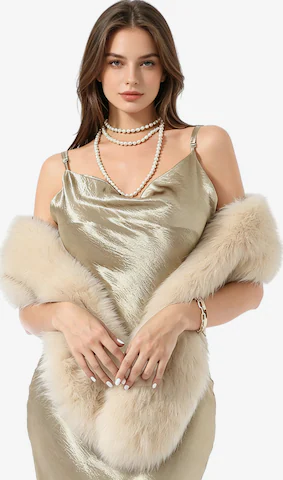
A champagne satin slip dress with a faux fur stole is old-Hollywood opera glamour. The slip dress’s bias cut skims the body and the satin catches light with every movement; the stole adds the vintage, intermission-in-the-lobby drama. Champagne, gold, and bronze satins are the most flattering metallics for evening — they warm the complexion where silver can cool it. The stole should drape over the shoulders or one arm, never fastened like a coat. Keep jewelry minimal: the fabric provides the shine. This combination suits hourglass and pear figures well, following the body’s line without clinging. It is the outfit for New Year’s Eve, formal anniversaries, and any evening that calls for glamour with restraint.
The Off-Shoulder Ball Gown
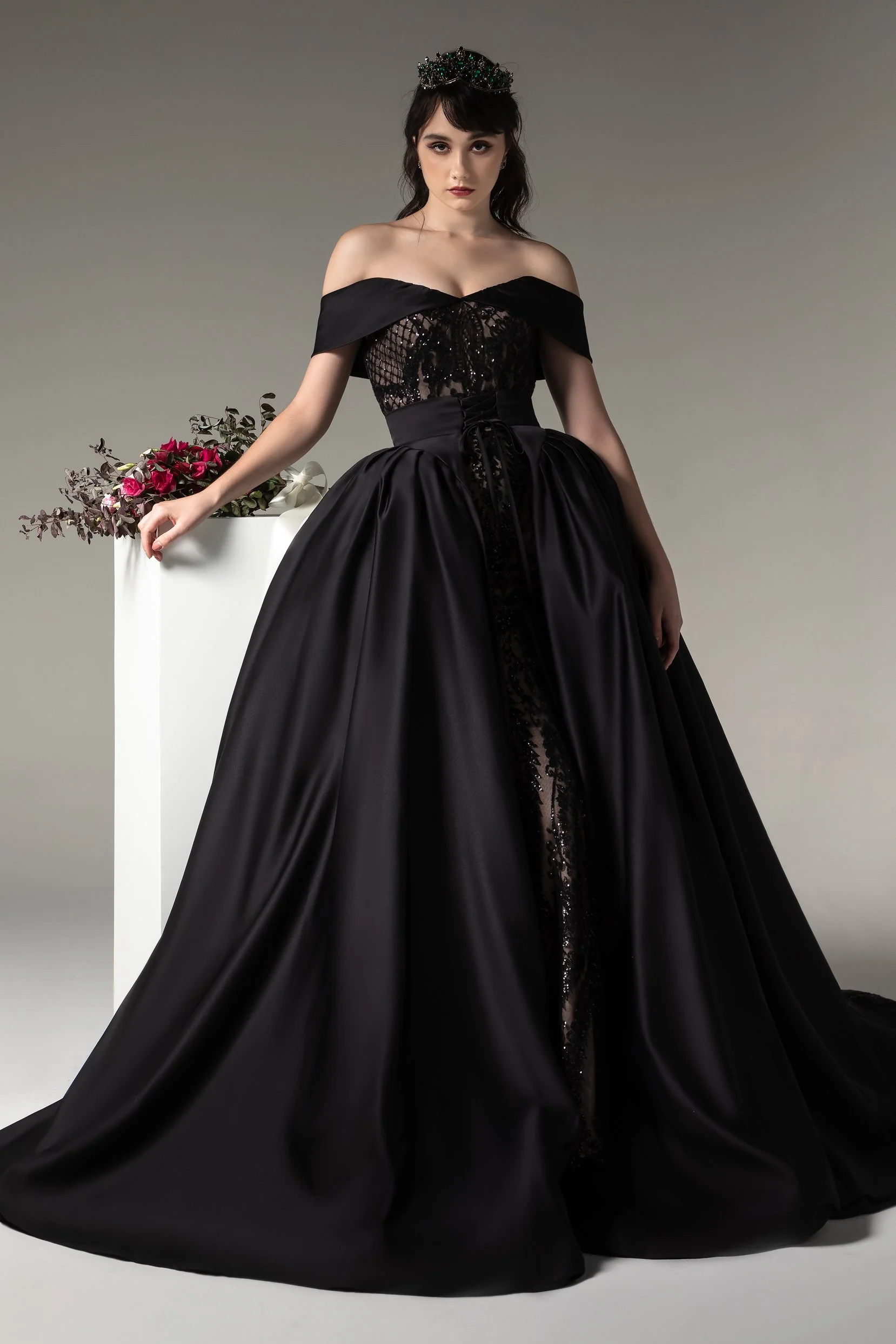
An off-the-shoulder ball gown is the princess silhouette of opera-inspired dressing — the full skirt, the bare collarbone, the unmistakable drama. The off-shoulder neckline is universally flattering, broadening narrow shoulders and showcasing the décolletage, while the full skirt creates the hourglass effect on almost any figure. Black keeps it modern and avoids costume territory; the silhouette provides all the romance needed. The bodice must fit precisely — boning or a structured lining keeps the neckline in place all evening. Finish with opera-length gloves for the full effect and a polished updo that shows the neckline. This is the gown for the most formal nights on the calendar: galas, black-tie weddings, and milestone celebrations.
Black Lace Dress With Opera Gloves
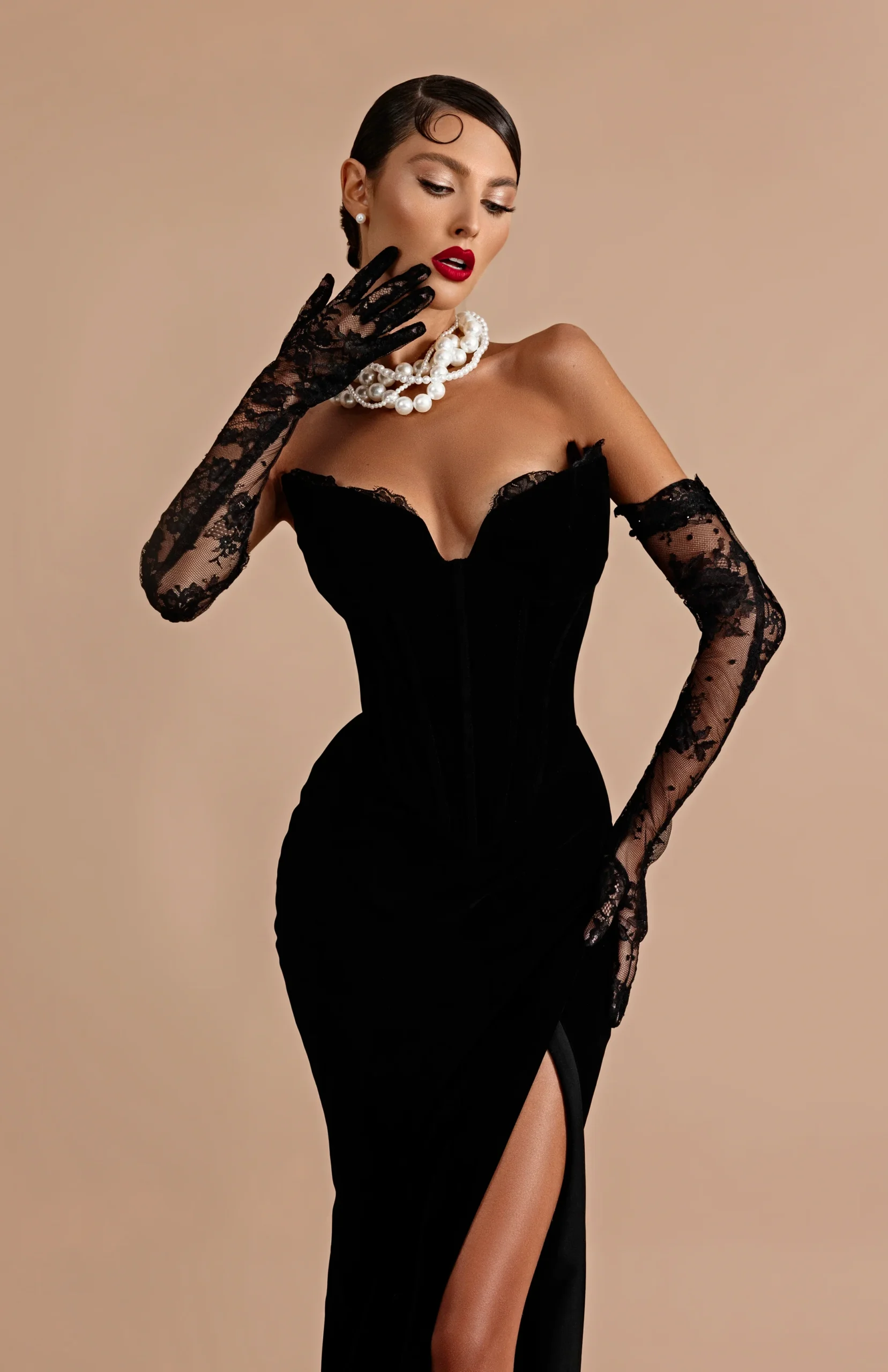
A black lace dress with opera-length gloves is the mysterious, romantic end of opera dressing. The lace provides texture and a hint of skin; the gloves — stretching past the elbow — add the vintage formality that makes the outfit feel like an event. A fitted sheath or a fit-and-flare lace dress both work; the key is a lining that keeps the lace elegant rather than sheer. The gloves should be matte (satin shows every crease) and fit snugly. This combination suits most figures because the lace’s pattern disguises while the fitted cut shows shape. It is the outfit for evening weddings, the theater itself, and formal dinners where the mood is dark romance. Remove the gloves at the table — tradition and practicality agree.
The Gown With Dramatic Sleeves

A gown with dramatic sleeves — leg-of-mutton, bishop, or exaggerated puff — puts the theater in the shoulders. The sleeve is the statement, so the rest of the dress should stay simple: a fitted bodice, a clean skirt, minimal embellishment. Velvet and duchess satin hold dramatic sleeve shapes best; limp fabrics collapse. This silhouette suits pear shapes especially well, balancing the hips with shoulder volume, and it gives straight figures the illusion of curves. Keep hair sleek and jewelry minimal — the sleeves are the jewelry. The look channels the heroines of grand opera, all passion and presence. It is the gown for women who want their entrance remembered, perfect for galas and formal celebrations with a fashion-forward crowd.
Corset Top and Full Skirt
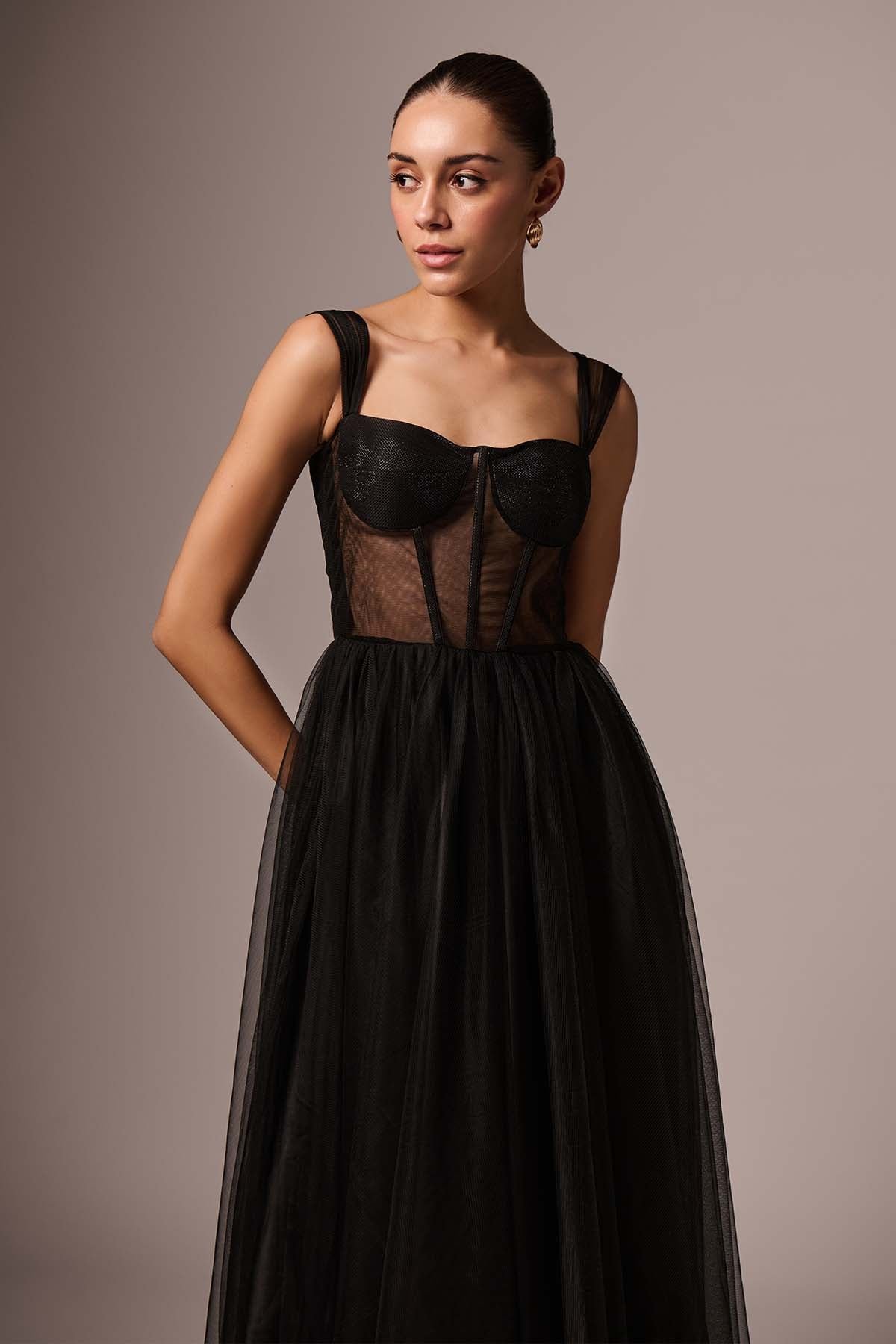
A corset top with a full skirt is the most literal translation of opera costume into modern evening wear. The corset defines the waist with unmistakable structure; the full skirt — tulle, taffeta, or layered organza — provides the drama. To keep it 2026 rather than 1890, choose a corset in a modern fabric (satin, velvet, or even leather) and keep the styling minimal: no chokers, no vintage jewelry. The skirt should hit floor length for the full effect. This combination is a gift for hourglass figures and creates the illusion of one on straighter frames. It is the outfit for themed galas, fashion-forward weddings, and any formal night where bold is the brief. Confidence is the required accessory.
The Sequin Showstopper Gown
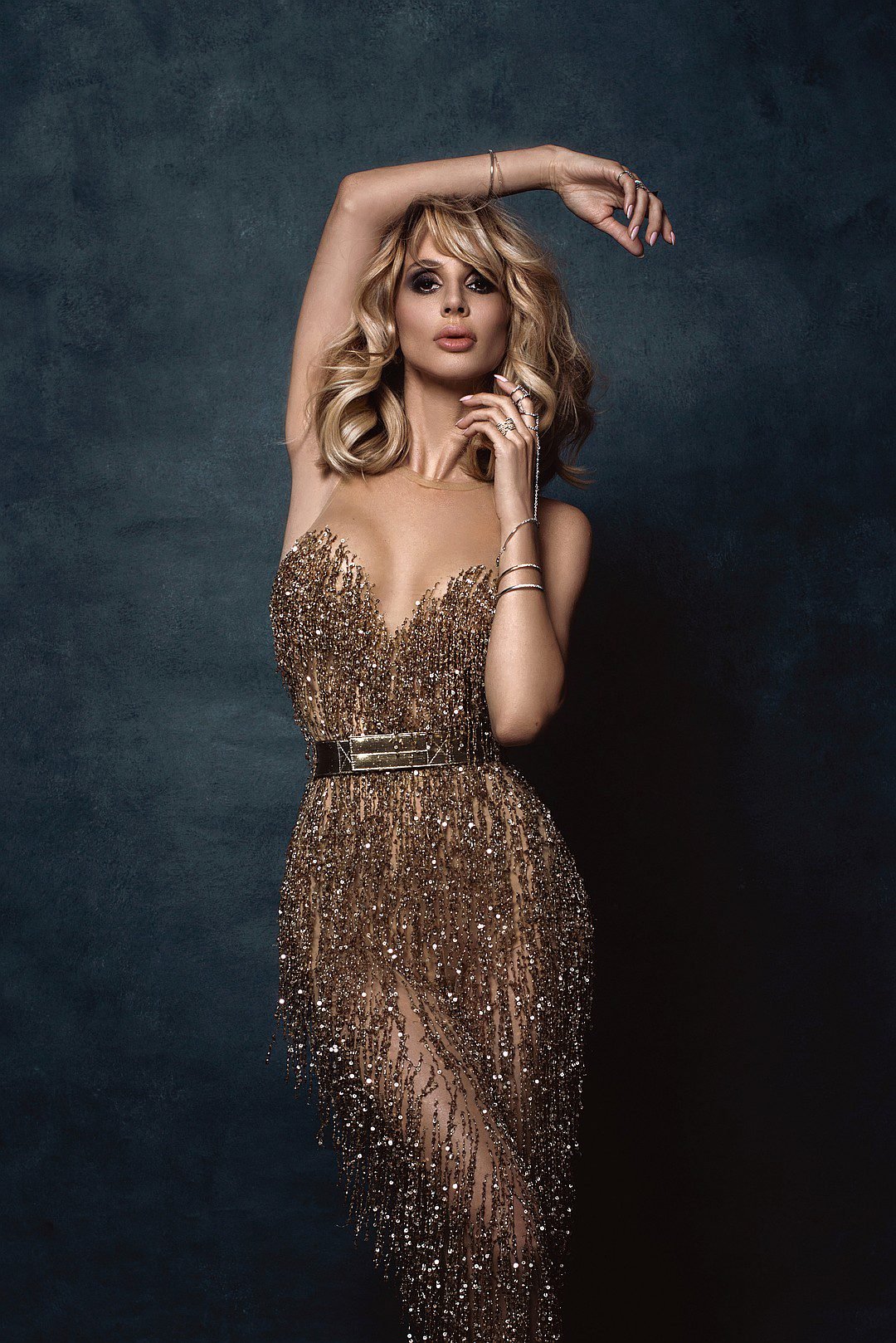
A sequin gown in gold or bronze is the showstopper of opera-inspired dressing — the dress that catches every light in the room. All-over sequins need a simple silhouette to avoid overload: a column, a slip, or a clean A-line lets the shine be the story. Gold and bronze flatter warm undertones; silver and pewter suit cool ones. The dress should skim, not cling — sequins over a too-tight fit look strained. Keep accessories to a minimum: the dress is the jewelry, the bag, and the conversation. This outfit suits most figures because the all-over shine disguises while the simple cut shows shape. It is the gown for New Year’s Eve, milestone birthdays, and any night that demands maximum impact.
Velvet Blazer and Wide-Leg Trousers
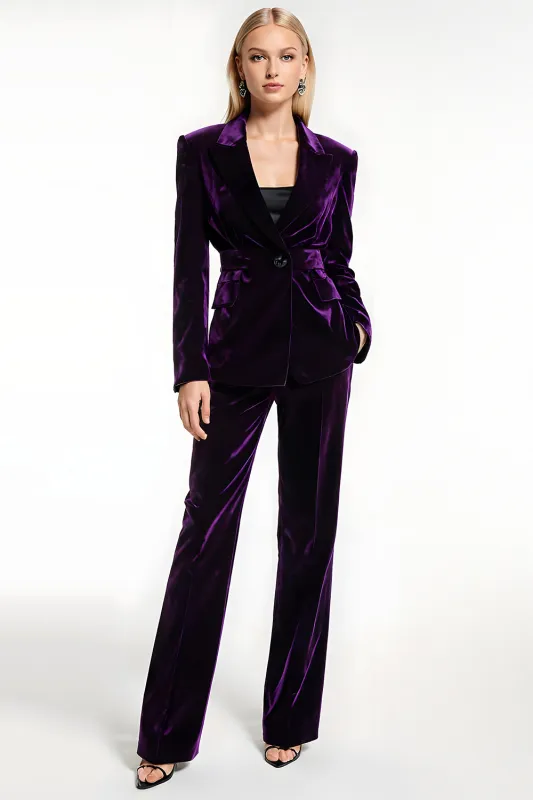
A velvet blazer with wide-leg trousers is the separates-based opera outfit — dramatic elegance without a gown. The velvet provides the operatic texture; the tailoring keeps it modern. Emerald, burgundy, or midnight velvet with black trousers is the classic combination; a full velvet suit in one color is bolder. Underneath, a silk camisole or a lace-trimmed top adds the evening note. The blazer should be fitted through the shoulders with a defined waist — velvet’s pile adds visual weight, so structure matters. Heeled boots or pointed pumps complete the line. This outfit suits every body type because the tailoring does the fitting work. It is the choice for the theater, formal dinners, and black-tie-optional events where a gown feels like too much.
The One-Shoulder Draped Gown
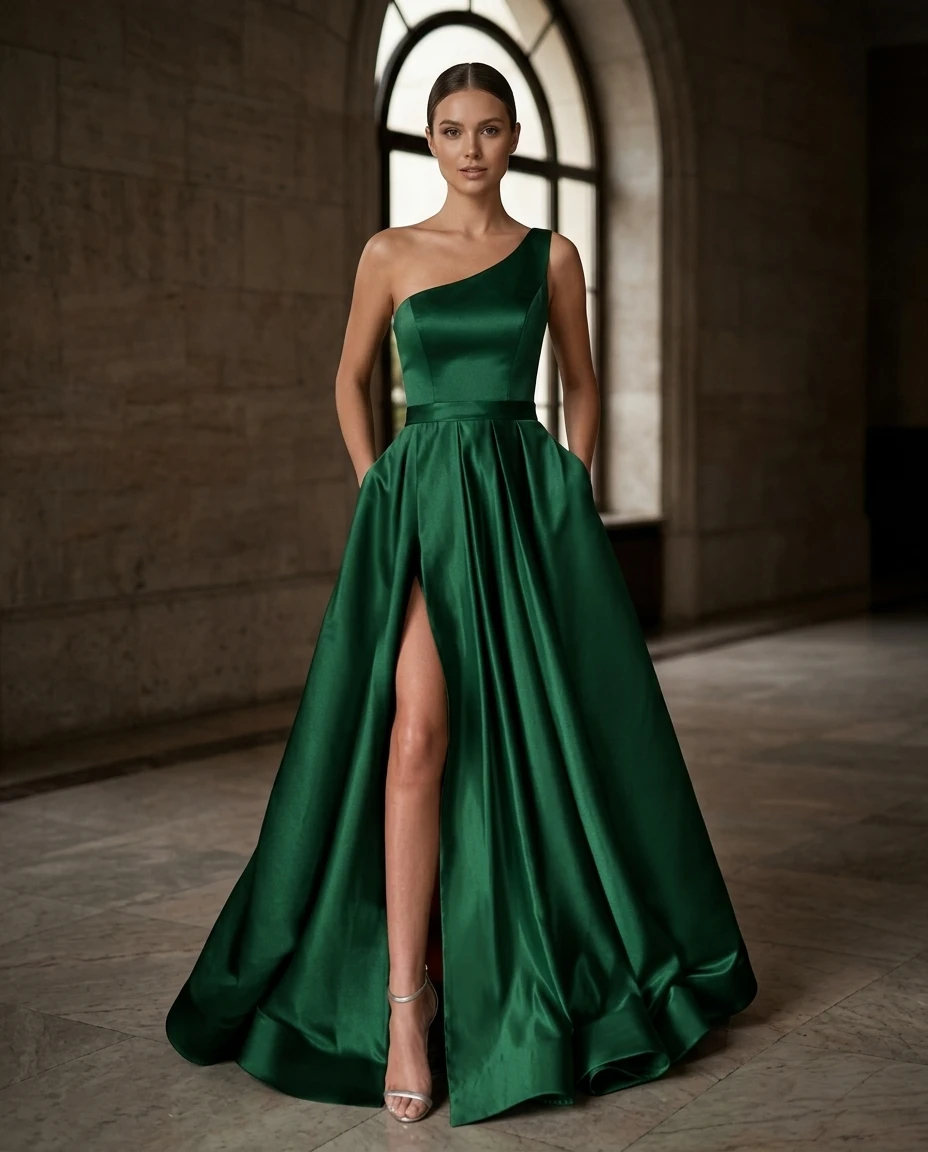
A one-shoulder draped gown in a jewel tone is the Grecian-goddess entry in opera dressing — all flowing fabric and sculptural line. The asymmetric neckline is inherently dramatic, and draping in satin or jersey skims the body without clinging. Emerald, sapphire, and ruby are the colors that earn the jewel-tone name; they glow under evening light. The single shoulder needs a statement earring on the bare side to balance the composition — this is the rare outfit where one earring outshines a pair. Keep the hair swept to the covered side to show the neckline. This silhouette suits tall frames beautifully and the draping flatters apple and rectangle shapes by skimming the midsection. It is the gown for formal weddings and gala dinners.
Opera Gloves as the Statement
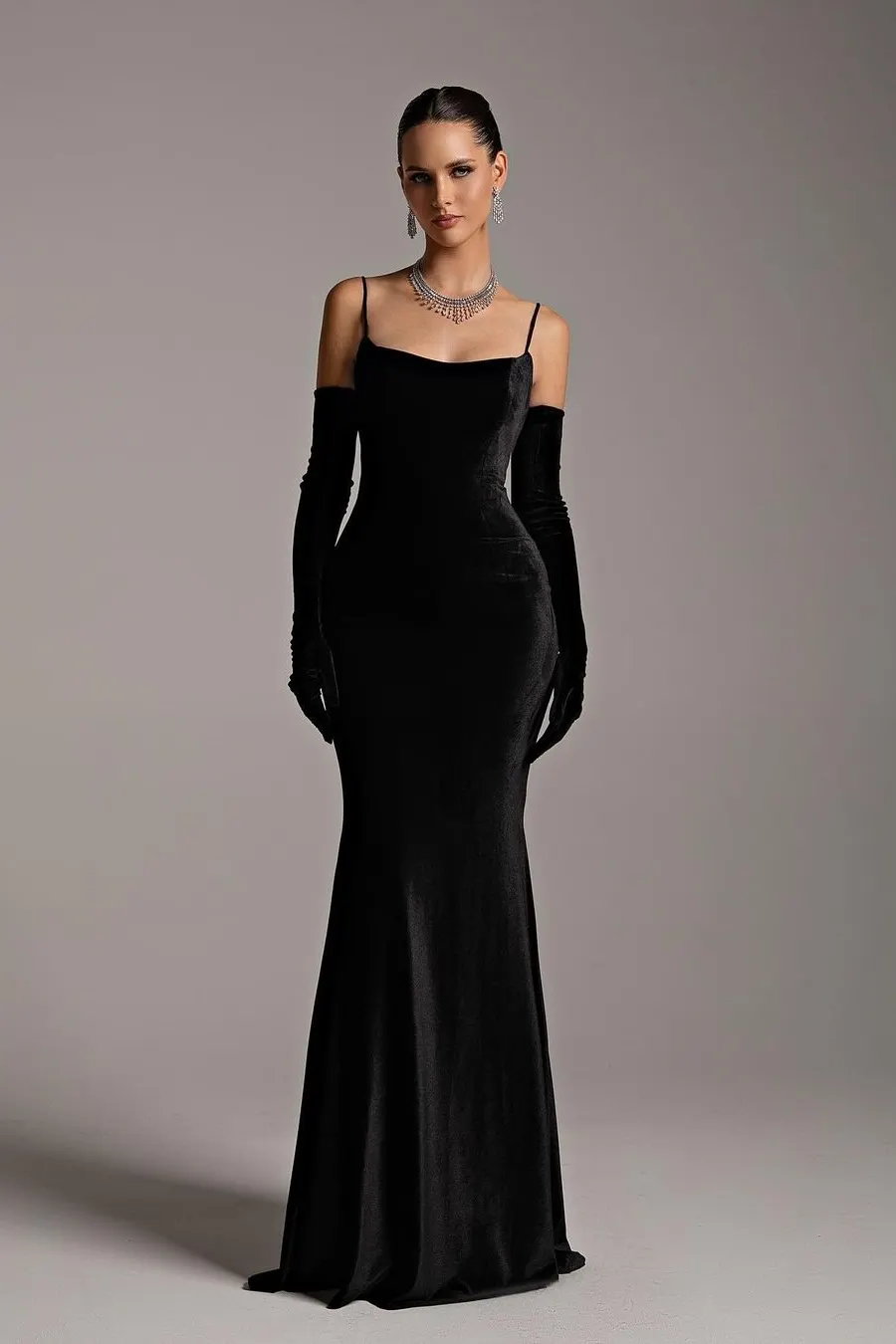
Opera-length gloves deserve their own moment: worn with a sleeveless or short-sleeve evening dress, they add instant vintage formality to even a simple gown. The gloves extend the arm line, making it look longer and more elegant — the reason they flatter every figure. Black matte gloves with a black dress create a seamless, dramatic column; contrasting gloves (ivory with a dark dress) make a bolder statement. They must fit snugly — loose gloves look costumey. The etiquette: gloves come off for eating and drinking, stay on for dancing and receiving lines. Pair them with a cocktail dress to elevate it to formal, or with a gown for the full period effect. This is the smallest investment with the largest dramatic return in evening dressing.
Chandelier Earrings and a Sleek Updo
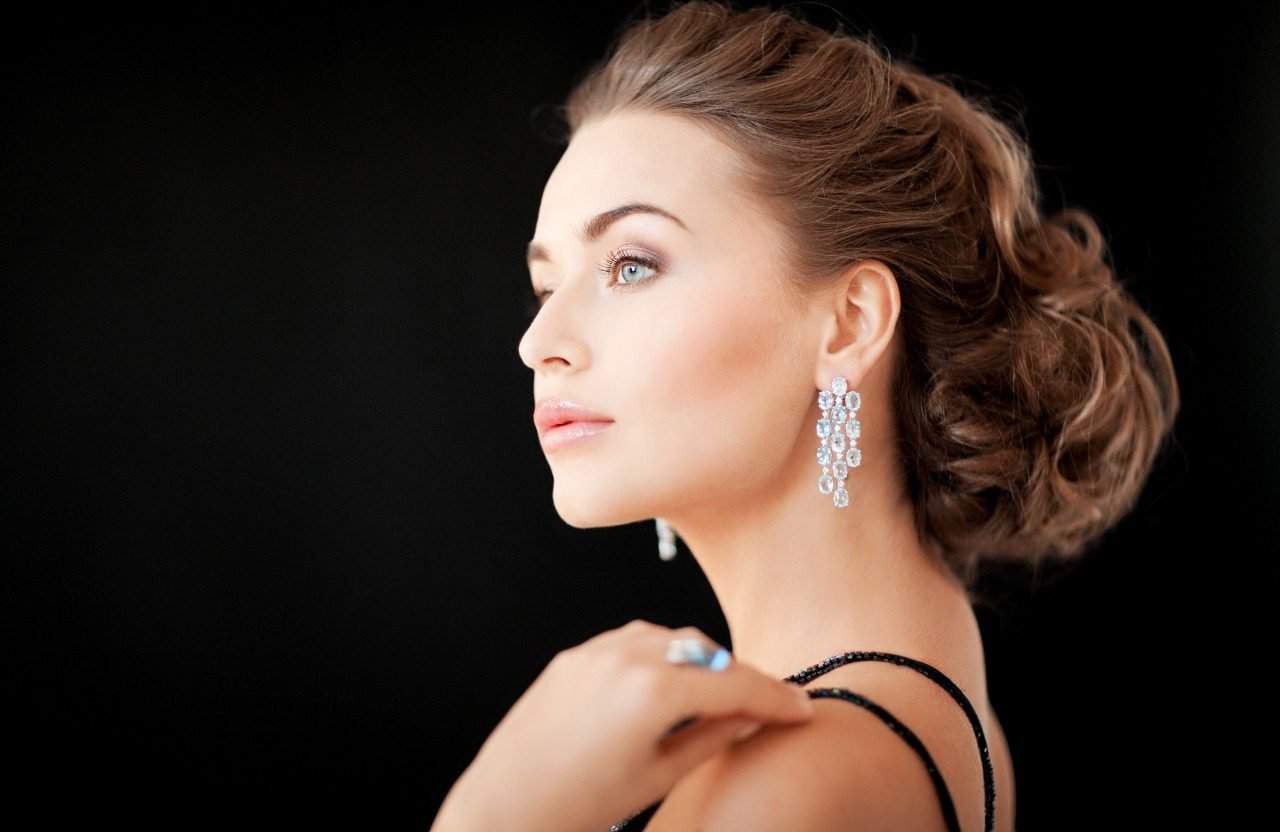
Dramatic chandelier earrings with a sleek updo prove that opera-inspired dressing can live entirely in the accessories. The earrings frame the face and catch light with every turn of the head; the updo — a low chignon or a polished twist — provides the clean canvas they need. This is the formula for elevating a simple black dress to gala level: the dress stays quiet, the jewelry performs. Chandelier earrings suit longer necks and oval faces especially well, but the updo’s face-framing effect flatters everyone. Keep the necklace off — earrings this dramatic need no competition. It is the lowest-effort, highest-impact move in formal dressing, perfect for evenings when the dress is simple but the occasion is not.
The Embellished Floor-Length Coat
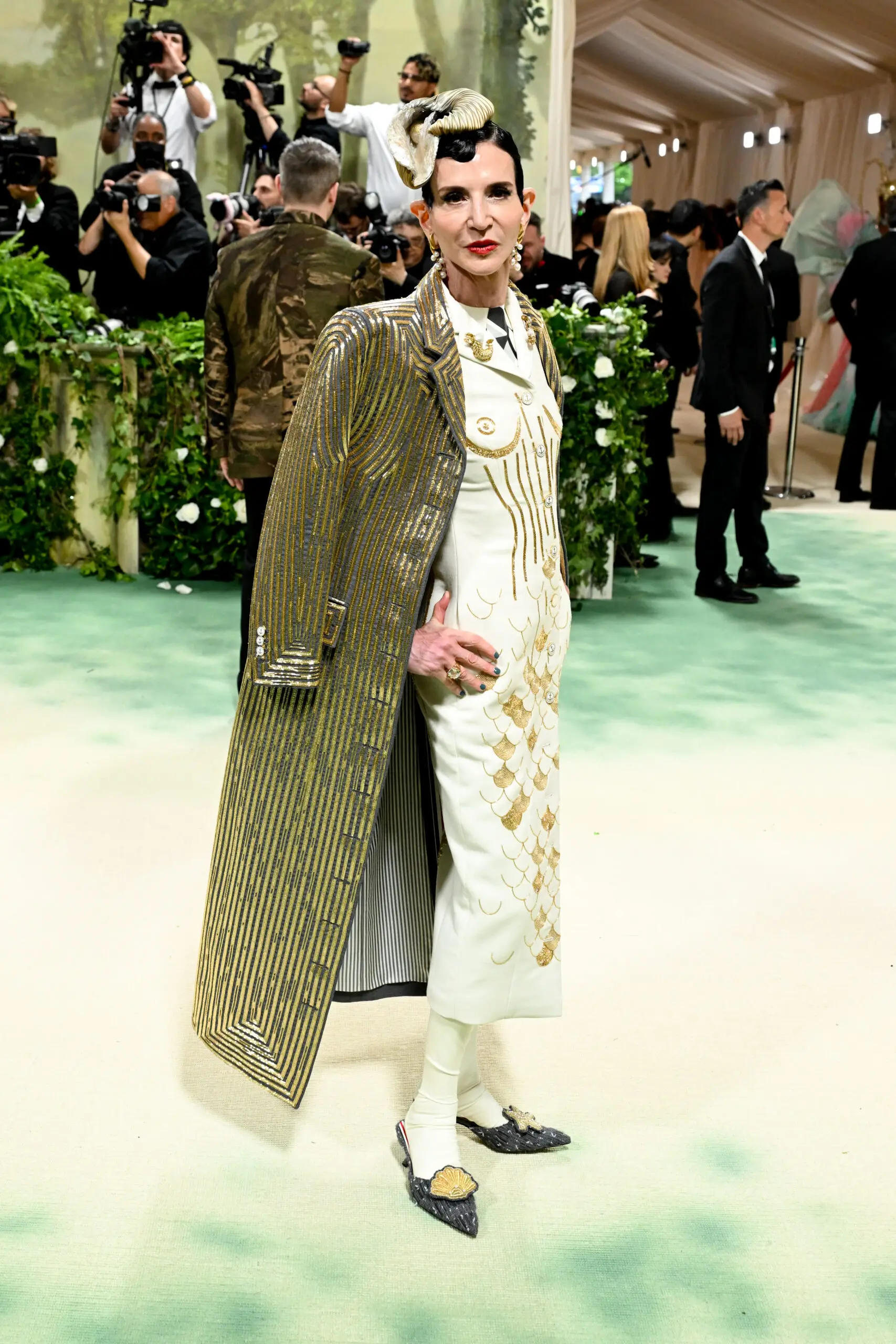
A floor-length embellished coat — beaded, embroidered, or brocade — worn over a gown is the maximalist opera outfit. The coat is outerwear as evening wear, meant to be seen in the lobby, the receiving line, and the arrival photos. Underneath, the gown should be simple and dark so the coat remains the star. The embellishment needs a sturdy base fabric (velvet, heavy satin, brocade) to support it. This layering suits every body type because the coat’s long line elongates and the simple dress beneath can be cut to flatter. It is the outfit for the grandest nights: opera premieres, charity galas, and formal weddings with a red-carpet arrival. When the coat comes off, the evening’s second act begins.
The Ruby Satin Wrap Dress

A ruby satin wrap dress is the universally flattering opera-inspired outfit — the wrap’s diagonal lines define the waist on every body type, and the satin gives it evening shine. Ruby, garnet, and wine tones are the most dramatic reds for night; they read passionate without the aggression of bright red. The V-neckline elongates the neck and flatters the bust; the knee or midi length keeps it versatile. A wrap dress in satin moves from theater nights to formal dinners to holiday parties with only a shoe change. This is the rare dramatic outfit that also suits conservative dress codes — the coverage is complete, the impact is not. Finish with heeled sandals or pumps and a small clutch. Drama that fits in a carry-on.
Tulle Skirt and Fitted Black Top
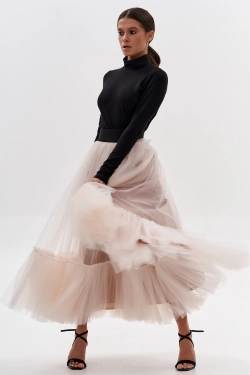
A blush tulle skirt with a fitted black top is the ballerina-meets-diva opera outfit. The tulle’s layers create volume and movement; the black fitted top anchors it so the look stays evening rather than costume. Knee or midi length tulle reads modern; floor length reads bridal. The top should be simple — a black bodysuit, a fitted turtleneck, or a sleek camisole — because the skirt is the entire statement. This combination suits petite frames surprisingly well when the waist is defined and the top is dark, creating a clear proportion. It is the outfit for fashion-forward formal events, themed parties, and any night where whimsy is welcome. A pair of heeled sandals keeps the fairy-tale grounded.
The Baroque Brocade Dress
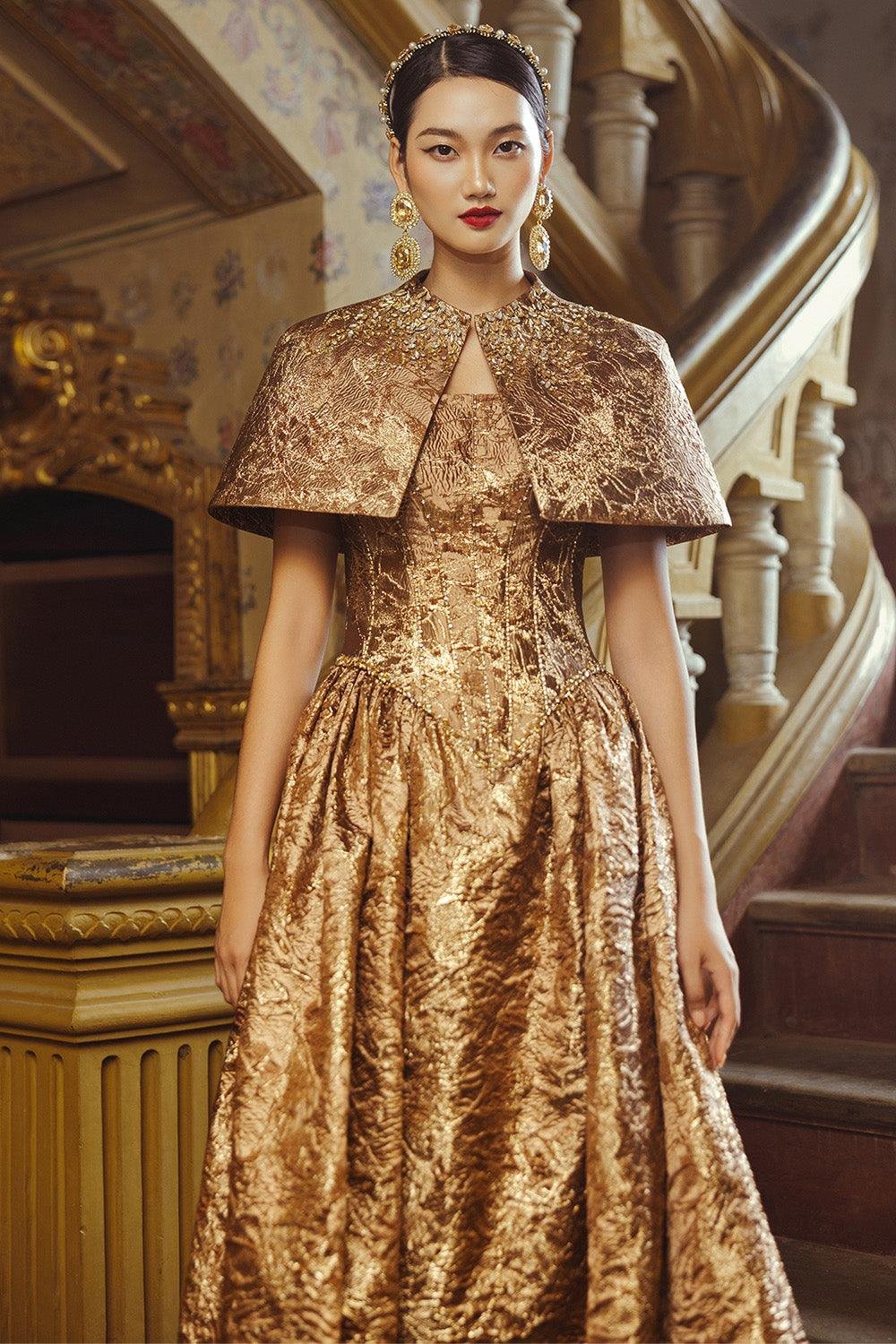
A baroque brocade dress with gold detailing channels the gilded interiors of the opera house itself. Brocade’s woven pattern has a richness that printed fabrics cannot match, and gold-on-jewel-tone (gold on emerald, gold on burgundy, gold on black) is the classic operatic palette. The silhouette should be simple — a sheath, a fit-and-flare, or a clean A-line — because the fabric is the ornament. Keep accessories minimal and metallic to match: gold shoes, a gold clutch, simple gold jewelry. This outfit suits most figures because the brocade’s texture disguises while the simple cut shows shape. It is the dress for holiday galas, formal winter weddings, and any evening where the venue itself is part of the spectacle.
The Black Gown With a Thigh-High Slit

A dramatic black gown with a thigh-high slit is the modern diva’s opera outfit — all the drama, none of the fuss. The slit adds movement and a flash of leg that keeps the long gown from feeling heavy; the black keeps it timeless. The gown should fit closely through the bodice and hips so the slit reads intentional rather than accidental — this is a dress that requires tailoring. A high neckline or long sleeves balance the slit’s exposure; a plunging neckline with a thigh slit is too much of both. This silhouette suits hourglass and tall frames especially well, showcasing the leg line. Finish with strappy heels and a bold lip. It is the gown for red carpets, formal premieres, and nights when the brief is simply: unforgettable.
Opera-inspired outfits prove that drama is a skill, not a budget. Velvet, capes, gloves, and chandelier earrings turn any formal night into an occasion. Pick the level of theater that suits the event — and the wearer — and let the entrance do the rest.