Thin hair does not have to look flat — the right cut, styling technique, and products can create impressive volume that lasts. Professional stylists rely on a toolkit of tricks: strategic layering that removes weight, root-lifting products applied before blow-drying, and styling methods that build body from the scalp outward. These fifteen voluminous hairstyles for thin hair combine flattering cuts with the stylist tricks that make each one work, so fine hair looks fuller, thicker, and more dynamic every day.
Layered Blowout
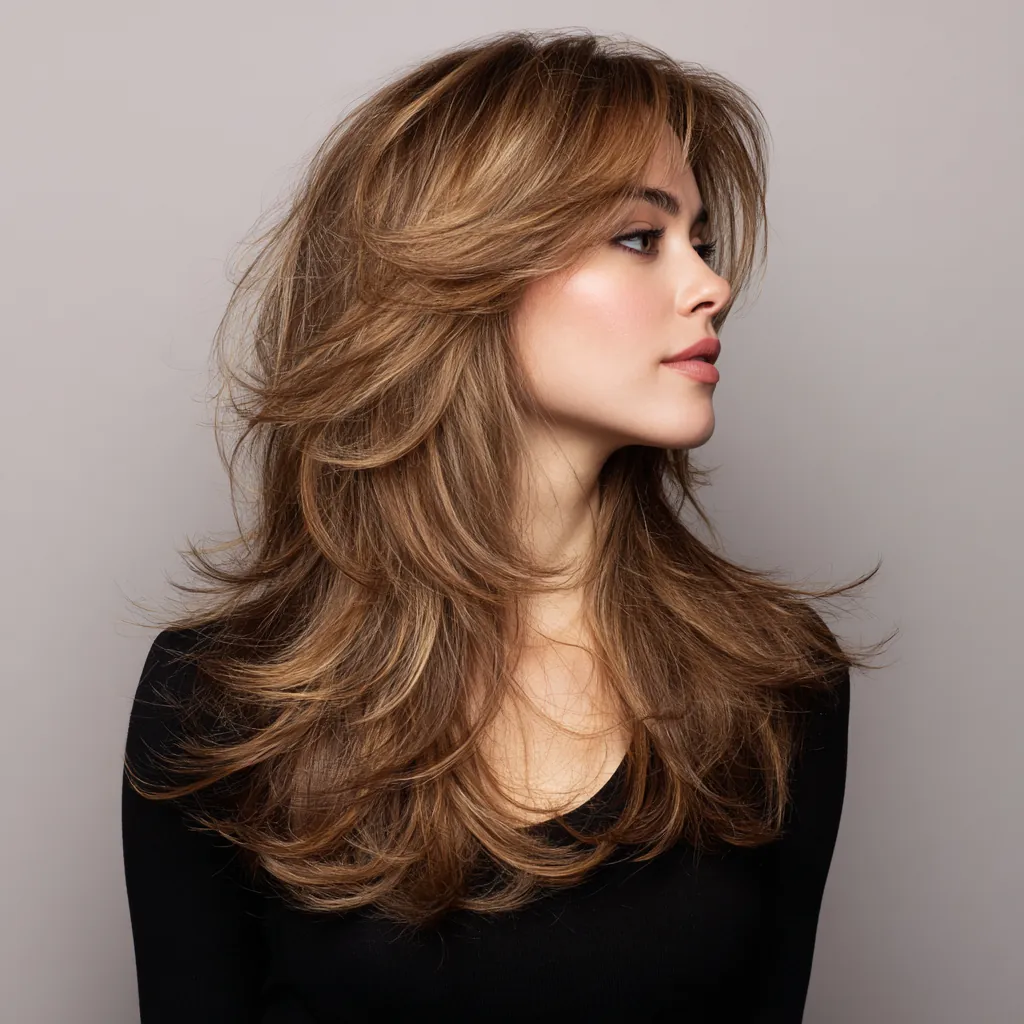
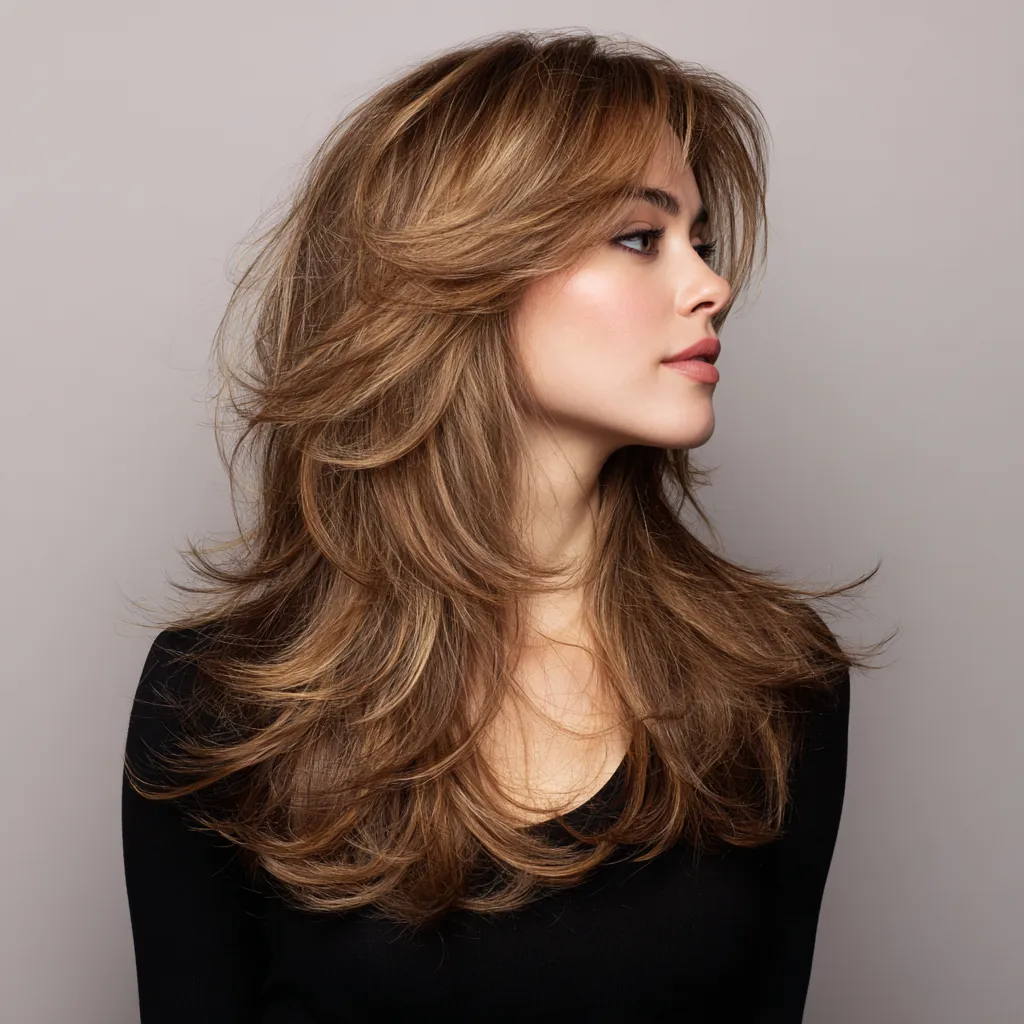
A layered blowout is the gold standard for volume on thin hair. Long layers remove weight from the ends so the hair lifts instead of lying flat, and a round-brush blowout builds body at the roots. The trick is applying volumizing mousse to damp roots and blow-drying upside down first, then smoothing with a large round brush. This style suits medium to long hair and flatters most face shapes. It is polished enough for work and pretty enough for evenings. The blowout typically holds for two to three days. Pro tip: blast the roots with cool air at the end — the cold shot sets the lift so volume lasts longer.
Curtain Bangs with Layers
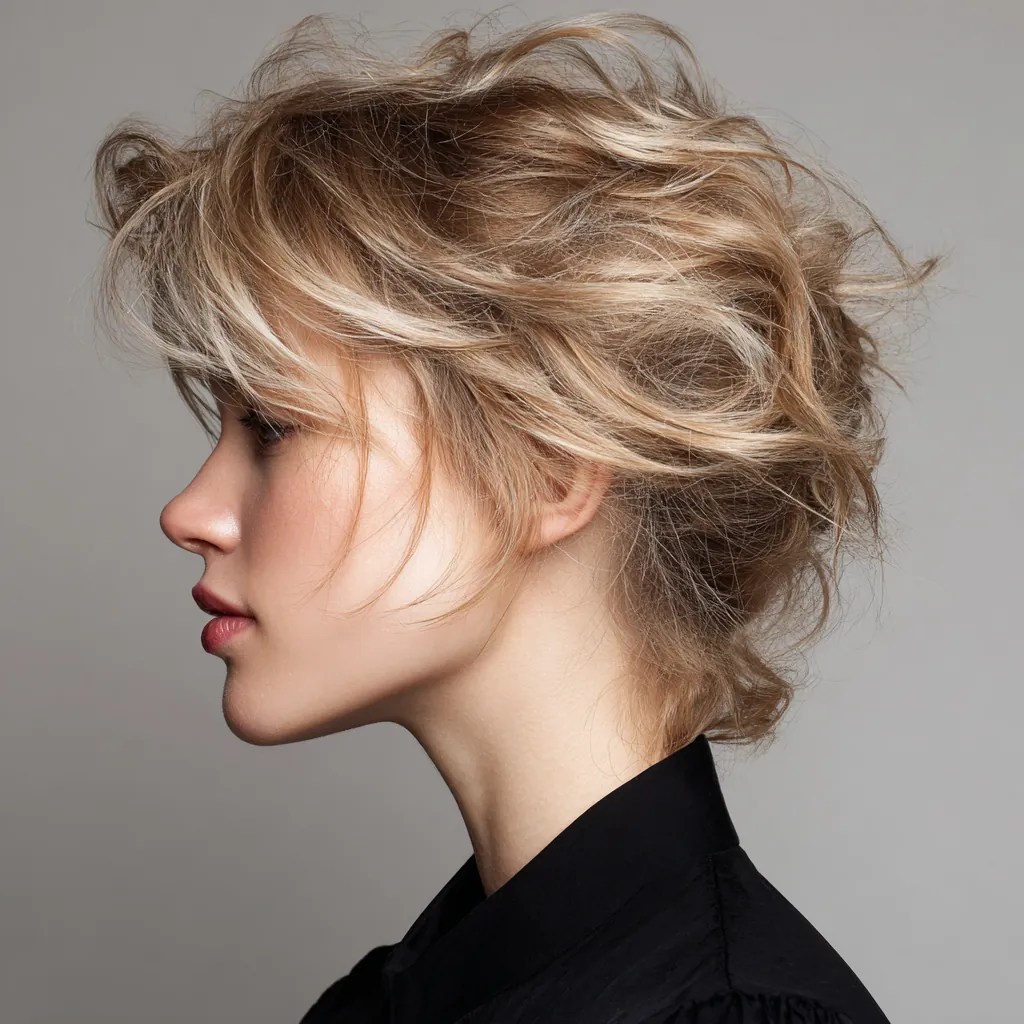
Curtain bangs paired with face-framing layers create volume exactly where thin hair needs it — around the face. The bangs add fullness at the front while the layers keep the lengths from looking stringy. Stylists recommend this combination because the shorter front pieces are naturally bouncier than long, heavy lengths. It suits medium to long hair and flatters oval, long, and heart faces. Style the bangs with a round brush, flicking them away from the face. The look is effortlessly chic. Pro tip: curtain bangs on thin hair should be cut slightly thicker than feels natural — fine hair shrinks visually, so density at the front matters.
Textured Lob

A textured lob — long bob with choppy, piece-y ends — makes thin hair look substantially thicker. The bluntness at the bottom creates a solid perimeter (no wispiness), while internal texture adds movement. Stylists call this the “faux-thick” cut because the strong baseline fakes density. It suits shoulder-length hair and flatters round and oval faces. Style with a flat iron bend through the mid-lengths and a texturizing spray for piece-y separation. The lob is modern, low-maintenance, and endlessly wearable. Pro tip: ask for the perimeter cut blunt with texture only in the interior — thinning the ends is what makes thin hair look thinner.
Long Layers with Face Framing

Long layers with face-framing pieces give thin, long hair movement and the illusion of fullness. The layers start at the chin or collarbone, creating soft steps that catch the light and suggest thickness. Without layers, long thin hair hangs in a single flat sheet; with them, it moves. This cut suits hair past the shoulders and flatters most face shapes — the face-framing pieces can be adjusted to cheekbone or jaw level. Style with loose waves to maximize the dimensional effect. Pro tip: keep the longest layer no more than three inches shorter than the overall length — over-layering thin hair removes the density it needs.
Bouncy Curls

Curls are thin hair’s instant volume button — every bend in the hair shaft creates the appearance of more hair. Bouncy, defined curls on thin hair look full and glamorous. The stylist trick is curling in alternating directions and then gently separating the curls for fullness without frizz. Use a medium-barrel iron and a light-hold spray. This style suits medium to long hair and is perfect for events and nights out. It flatters all face shapes. Second-day curls often look even better as they relax. Pro tip: curl the hair in the opposite direction of its natural fall at the roots — fighting the natural direction creates lift that lasts.
The Italian Bob

The Italian bob — a chunky, chin-length bob with minimal layering — is a volume powerhouse for thin hair. The short length removes all the weight that pulls thin hair flat, and the chunky ends create a thick, solid silhouette. It is bold, fashionable, and surprisingly easy to style: a quick blow-dry with a round brush is all it takes. The cut flatters oval, heart, and diamond faces, and looks stunning with the hair tucked behind one ear. It is a statement cut that turns thin hair into an asset. Pro tip: the Italian bob needs trims every six weeks — the chunky shape loses its impact as soon as the ends thin out.
Shaggy Layers

A shag haircut with its choppy, rock-and-roll layers creates texture-based volume that thin hair loves. The many short layers throughout the crown build height, while the piece-y ends keep it modern. Stylists recommend the shag for thin hair because texture reads as fullness — the eye sees movement and assumes density. It suits medium lengths and flatters oval and long faces by adding width. Style with texturizing spray and rough-dry for an undone finish. The shag is ideal for those who hate fussy styling. Pro tip: a shag on thin hair needs the crown layers kept relatively long — too-short crown layers on fine hair can look sparse rather than textured.
Blunt Cut with Hidden Layers

A blunt cut with hidden interior layers is the stylist’s secret weapon for thin hair. The perimeter stays one length for maximum thickness at the ends, while invisible layers underneath remove bulk and create lift. From the outside, the hair looks like a thick, blunt cut; the hidden layers do the volumizing work unseen. This suits straight to wavy hair at any length past the chin. It is sleek, modern, and professional. Style straight for maximum impact of the blunt line. Pro tip: ask specifically for “invisible” or “interior” layers — traditional visible layers on thin hair can make the ends look wispy.
Side-Swept Volume
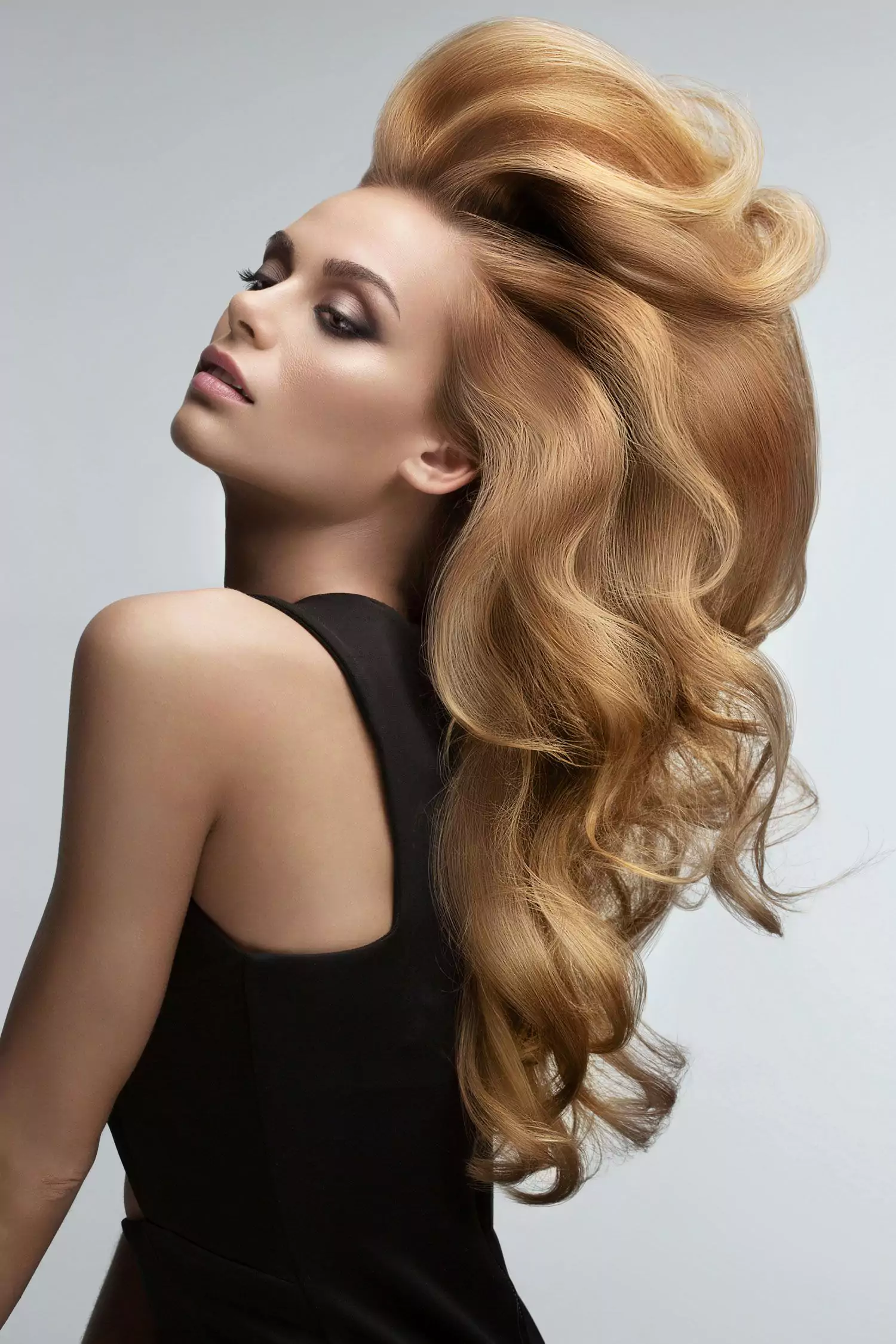
Sweeping the hair to one side with volume at the roots is a simple styling trick with dramatic results for thin hair. The deep side part exposes more scalp on one side, which paradoxically makes the hair look thicker on the other — and the asymmetry adds body. Apply root-lifting spray to damp hair, blow-dry with a deep side part, and backcomb the crown lightly. This works on medium to long hair and flatters round and square faces by creating diagonal lines. It is an easy everyday volume boost. Pro tip: switch the side part every few days — hair trained to one side goes flat, while a fresh part has natural lift.
Root-Lifted Pixie

A pixie cut with lifted roots turns thin hair into a textured, voluminous style. Short hair is naturally fuller-looking because there is no length weighing it down, and texturizing the top creates piece-y volume. The stylist trick is point-cutting the top for texture and styling with a matte paste for separation. This bold cut suits oval, heart, and diamond faces and looks incredible with statement earrings. Daily styling takes minutes — the cut does the work. Pro tip: pixies on thin hair need the top left long enough to texture — too short on top and there is nothing to create volume with.
Voluminous High Ponytail

A high ponytail with teased roots and a wrapped base looks full and glamorous even on thin hair. The tricks: tease the crown before gathering, use two stacked ponytails (one above the other) for extra thickness, and wrap a section of hair around the elastic. The double-ponytail method is a backstage classic — the upper pony covers the lower one’s base, doubling the apparent volume. This suits medium to long hair and flatters most face shapes. It is perfect for workouts, busy days, and sleek evening looks alike. Pro tip: pancake the ponytail by gently pulling sections outward — widening the tail makes it look dramatically thicker.
Half-Up Volume Bump

A half-up style with a teased crown bump (the modern beehive) adds height that makes thin hair look abundant. Tease the crown section, smooth the top layer over it, and secure the half-up portion with pins or a small elastic. The bump creates the illusion of much more hair while the down section shows off length. This romantic style suits proms, weddings, and parties. It flatters round faces by adding height. The key is teasing enough — fine hair needs more backcombing than expected to hold a bump. Pro tip: mist each teased section with hairspray before smoothing over — the spray locks the tease in place for hours.
Wavy Bob
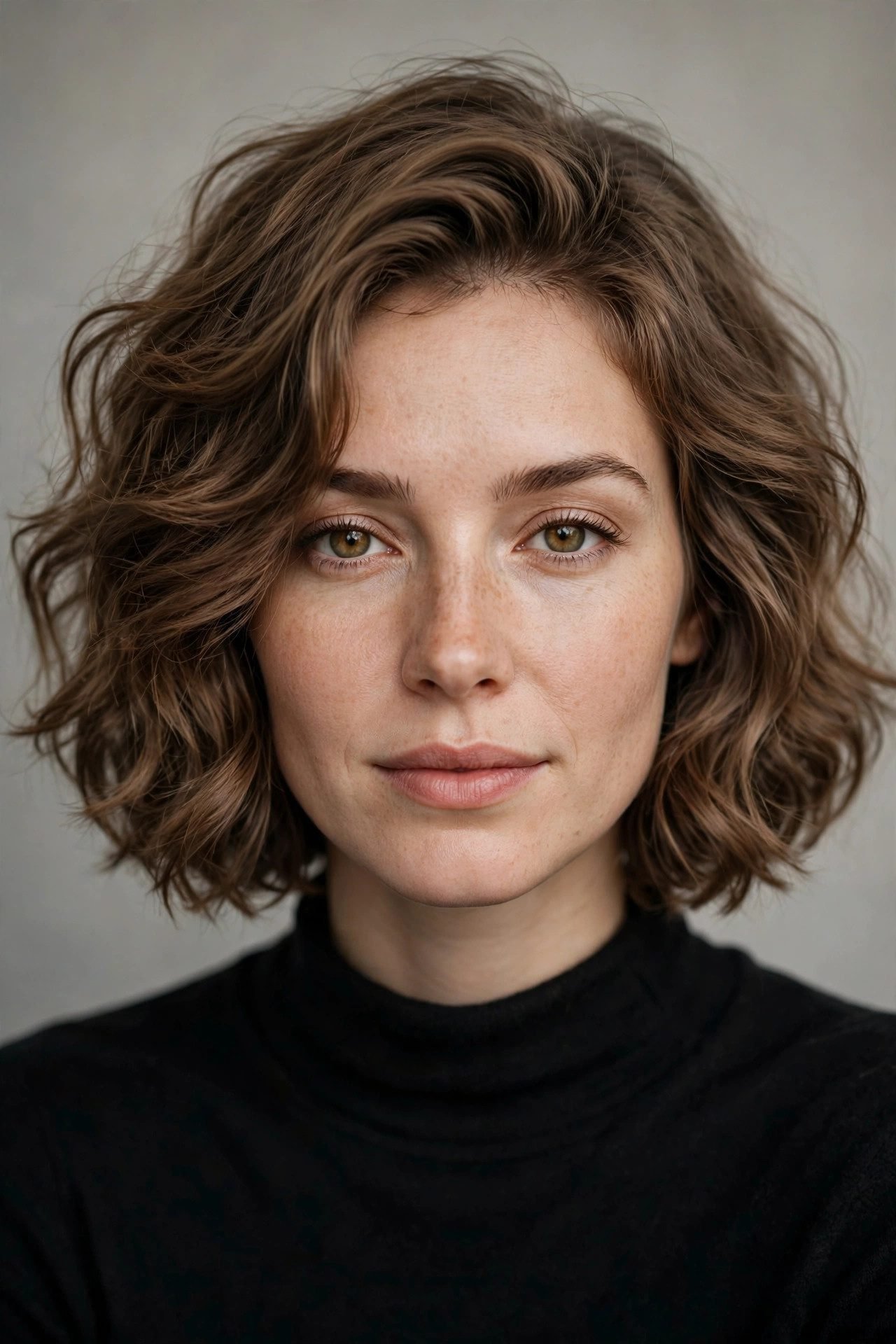
A wavy bob combines the thickness illusion of a blunt perimeter with the volume of waves. The waves add width and movement, making thin hair look twice as full. Cut the bob blunt at chin to shoulder length, then add loose waves with a flat iron, alternating directions. The alternating pattern prevents the waves from clumping into a single curtain. This universally flattering style suits nearly every face shape. It is chic for work and fun for weekends. Finish with texturizing spray for hold. Pro tip: wave only from the mid-lengths down, keeping the roots smooth — wavy roots on thin hair can look frizzy rather than full.
Feathered Mid-Length Cut
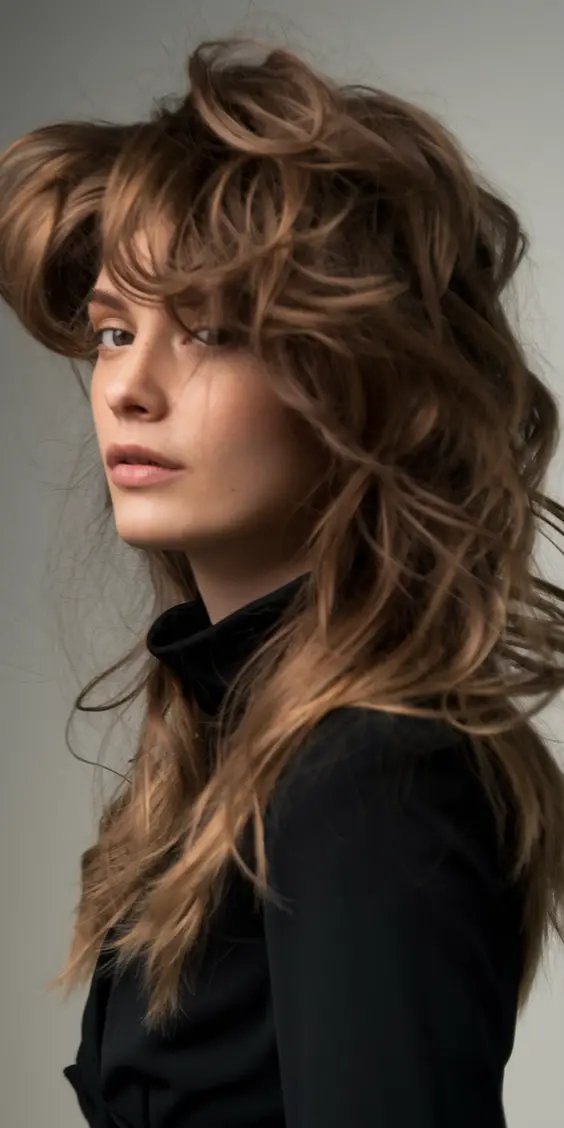
Feathered layers through a mid-length cut create soft, airy volume that flatters thin hair. The feathering technique thins the very ends while keeping density through the mid-lengths, so the hair flicks and moves without looking sparse. A round-brush blowout with the ends flipped outward maximizes the feathered effect. This 70s-inspired style suits medium hair and flatters oval and long faces. It is feminine, bouncy, and full of movement. The cut grows out gracefully. Pro tip: feathering works best when the stylist uses a razor or point-cutting — blunt-cut layers on thin hair can look choppy instead of soft.
Big Bouncy Blowout with Velcro Rollers

Velcro rollers after a blowout are the ultimate at-home volume trick for thin hair. Blow-dry with a round brush for smoothness, then set the top and crown sections in large velcro rollers while the hair cools. The rollers lock in root lift that no amount of teasing can match — and the volume lasts for hours. This technique gives thin hair that salon-blowout bounce at home. It suits medium to long hair and is perfect before events. Let the rollers cool completely before removing (at least fifteen minutes). Pro tip: spray each section with a light volumizing spray before rolling — the product plus the roller shape creates maximum, long-lasting lift.
Voluminous hair on a thin texture is not about luck — it is about strategy. The right cut removes weight where it drags hair down and adds structure where lift is needed; the right products create grip and root support; and the right techniques, from velcro rollers to strategic teasing, build body that lasts. Any of these fifteen styles proves that thin hair can look full, bouncy, and gorgeous with stylist-approved methods.